It’s a Tuesday evening. The aroma of garlic and herbs is supposed to be filling my kitchen, but instead, I’m battling a familiar foe: dinner-time stress. I glance at my phone – the usual notifications are popping up. My smart oven, supposedly my culinary sidekick, is beeping impatiently. I’m late, the kids are hungry, and the roast chicken is… well, let’s just say it’s not quite ready yet. Sound familiar? This isn’t just a kitchen scenario; it’s a window into the evolving world of smart home technology, specifically the smart oven, and how we’re actually using (or misusing) it in 2026.
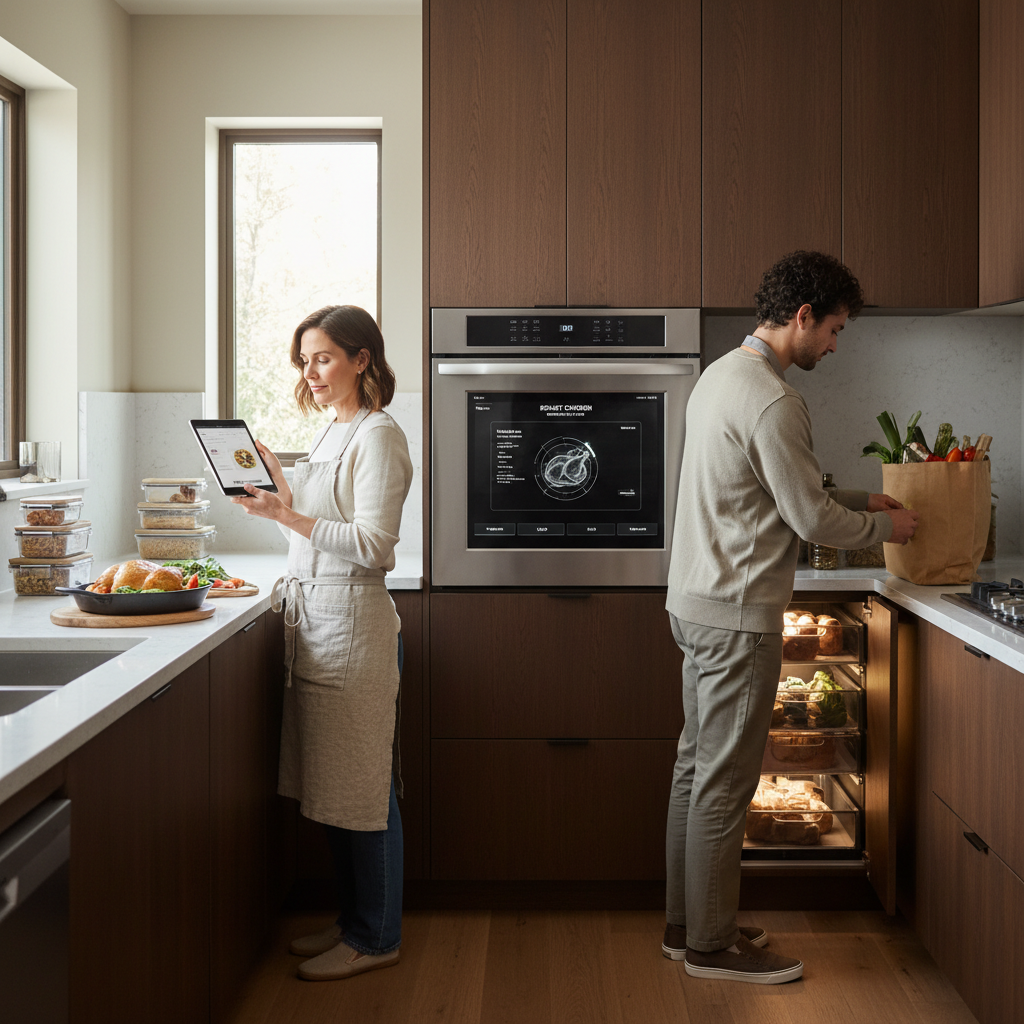
The Promise of the Smart Oven: More Than Just a Pretty Face
The core promise of a smart oven is simple: to make cooking easier, more efficient, and more enjoyable. These ovens boast features like:
- Connectivity: Wi-Fi allows you to control the oven remotely via a smartphone app. You can preheat, adjust temperatures, and monitor cooking progress from anywhere.
- Pre-programmed settings: Built-in recipes and cooking programs for various dishes, taking the guesswork out of baking and roasting.
- Smart sensors: Some models include internal probes that monitor the food’s internal temperature, ensuring it’s cooked perfectly.
- Voice control: Integration with voice assistants like Alexa or Google Assistant for hands-free operation.
- Advanced features: Self-cleaning functions, air frying capabilities, and convection cooking are increasingly common.
Sounds great, right? In theory, a smart oven should eliminate the stress of meal prep. No more burnt dinners, no more hovering over the stove. Just perfectly cooked meals, every time. But the reality, as many of us have experienced, is often a bit more complicated.
The Reality Check: Where Smart Ovens Fall Short
The problem isn’t necessarily the technology itself; it’s how we’re using it, or rather, how the technology is often marketed and integrated into our lives. Here’s a breakdown of the common pitfalls:
Over-reliance on automation
The convenience of pre-programmed settings can be a double-edged sword. While they’re helpful for beginners, they can also lead to a lack of understanding of basic cooking principles. Relying solely on the oven’s presets might work for some dishes, but it can backfire when dealing with unique recipes or adapting to different ingredients. A good cook needs to understand how heat, time, and ingredients interact; automation can sometimes mask those essential skills. I’ve found myself, more than once, frantically searching for the “chicken is burnt” button when the automated roast chicken program fails.
Connectivity chaos
The “smart” aspect often hinges on a stable Wi-Fi connection. A dropped connection can mean a cold oven and a ruined dinner. Additionally, managing yet another app and account can add to the digital clutter in our lives. The constant notifications, the need to remember another password – it can become overwhelming. In my experience, the app is often more trouble than it’s worth, with slow loading times or interface glitches disrupting the cooking process.
Maintenance nightmares
Smart ovens, like any appliance, require maintenance. Self-cleaning functions are convenient, but they’re not foolproof. Food spills and splatters can still happen, and these need to be cleaned up to maintain the oven’s performance and longevity. Ignoring these tasks can lead to uneven cooking, lingering odors, and potential damage to the appliance.
The “smart” trap
Some smart features, like the ability to scan a barcode and automatically set the oven’s cooking parameters, often feel gimmicky rather than genuinely useful. These features are great in the marketing materials, but in real-world use, they might be unreliable or only work with a limited selection of products. I’ve found that sometimes, it’s quicker and easier to just set the oven manually.
Smart Habits for a Smarter Kitchen in 2026
So, how do we make the most of our smart ovens without falling into the pitfalls? It’s about finding a balance between convenience and control. Here’s how to integrate smart oven technology into your life productively:
Embrace the Basics
Before diving into the smart features, get comfortable with the fundamentals. Understand how your oven heats, how to adjust temperature settings, and how different cooking methods work. This foundation will allow you to make more informed decisions, whether you’re using a pre-programmed setting or experimenting with your own recipes.
Prioritize Reliability
Look for smart ovens with robust Wi-Fi connectivity and reliable app interfaces. Read reviews and see what real users are saying about the device’s performance. Focus on the core functions—accurate temperature control, even cooking, and efficient self-cleaning—rather than getting caught up in the latest gimmicks.
Become a “Hybrid Cook”
Don’t be afraid to combine the convenience of smart features with your own cooking expertise. Use pre-programmed settings as a starting point, then adjust them based on your preferences and the specific ingredients you’re using. Learn to trust your senses—sight, smell, and taste—as much as you trust the oven’s sensors.
Master the App
If you’re using the oven’s app, take the time to learn its features. Explore all the settings and customize them to your needs. Set up notifications strategically, rather than letting the app bombard you with alerts. If the app is consistently problematic, consider whether the convenience it offers is worth the hassle.
Maintain with Diligence
Follow the manufacturer’s cleaning instructions. Regularly wipe down the interior and exterior of the oven. Clean up spills promptly to prevent them from becoming baked-on messes. Take care of the appliance, and it will take care of you.
Consider Longevity
Smart appliances are investments. When buying a smart oven, consider the manufacturer’s reputation, the availability of spare parts, and the length of the warranty. Think about how long you realistically expect to use the oven and choose a model that is likely to last. This means avoiding the most complex or feature-laden models, which may become obsolete more quickly.
The Future-Ready Kitchen: Beyond the Oven
The future of cooking isn’t just about smart ovens. It’s about a holistic approach to the kitchen, one that combines technology with human intuition. Here’s what to look for:
Integration, not Isolation
The most useful smart kitchen appliances will work together seamlessly, rather than operating in isolation. Expect to see ovens that communicate with smart refrigerators, automatically adjusting cooking times based on the food’s freshness and condition. Imagine a refrigerator that can suggest recipes based on what you have on hand, and then send the cooking instructions directly to your oven.
Personalized Cooking Experiences
AI will play a bigger role in creating personalized cooking experiences. Smart ovens will learn your cooking habits and preferences, suggesting recipes and adjusting cooking parameters to suit your tastes. Your oven will become a virtual sous chef, anticipating your needs and helping you create delicious meals with minimal effort.
Sustainability and Efficiency
Energy efficiency will be a major focus. Smart ovens will be designed to use less energy, with features like precise temperature control and automatic preheating. They’ll also integrate with smart energy grids, allowing you to schedule cooking tasks during off-peak hours and save money on your energy bill.
Focus on Simplicity
The best smart kitchen technology will be intuitive and easy to use. The goal isn’t to create complex gadgets but to simplify the cooking process. Look for appliances with clear interfaces, intuitive controls, and features that genuinely improve your cooking experience.
Smart Oven FAQs
Here are some of the most common questions about smart ovens, answered with a dose of real-world practicality:
Q: Are smart ovens worth the extra cost?
A: It depends on your cooking habits and priorities. If you cook frequently and value convenience, a smart oven can be a worthwhile investment. However, if you’re a casual cook or prefer a more hands-on approach, the added features might not be worth the extra expense. Consider your budget, your needs, and your willingness to learn the technology before making a purchase.
Q: How can I troubleshoot Wi-Fi connectivity issues?
A: Make sure your oven is within range of your Wi-Fi router. Try restarting your router and your oven. Check the oven’s app for troubleshooting tips or contact the manufacturer’s customer support. Sometimes, the issue is as simple as a weak Wi-Fi signal or an outdated software version.
Q: What are the best smart oven brands?
A: Research reputable brands with a history of producing reliable appliances. Read user reviews and compare features. Some popular brands include GE, Samsung, Bosch, and LG. However, the “best” brand for you will depend on your individual needs and budget.
Q: How often should I clean my smart oven?
A: The frequency of cleaning depends on how often you cook and how messy your cooking habits are. At a minimum, wipe down the interior and exterior after each use. Run the self-cleaning function as needed, following the manufacturer’s instructions. Address spills and splatters promptly to prevent them from becoming difficult to remove.
Q: What are the security risks associated with smart ovens?
A: Like any connected device, smart ovens can be vulnerable to hacking. To minimize the risk, use a strong password for your Wi-Fi network, keep your oven’s software updated, and be wary of suspicious links or emails. Consider using a separate Wi-Fi network for your smart home devices to isolate them from your primary network.
Q: Will my smart oven become obsolete?
A: Technology evolves rapidly, so it’s possible that your smart oven will become outdated over time. However, the core functionality of a good oven—accurate temperature control, even cooking, and efficient self-cleaning—is unlikely to become obsolete anytime soon. Focus on purchasing a model with solid core features, and you’ll be less likely to regret your investment.
Q: Are smart ovens safe?
A: Yes, smart ovens are generally safe when used as intended. However, as with any appliance, there are potential safety hazards. Always follow the manufacturer’s instructions and precautions. Keep flammable materials away from the oven. Supervise children when they are near the oven. If you have any concerns about safety, consult with a qualified appliance repair technician.
Smart ovens hold a lot of promise, but they’re not a magic bullet for perfect cooking. The key is to embrace the technology thoughtfully, combining the convenience of smart features with your own cooking knowledge and skills. That’s how we truly unlock the potential of the smart kitchen and make cooking a more enjoyable and less stressful experience. Remember, technology is a tool, not a replacement for good habits and a love of food.
For more home tech tips and insights, check out Josephs Well for all the latest.