Let’s paint a picture of a typical Tuesday. The alarm blares, you hit snooze (once, maybe twice), and then it’s a race against the clock. Breakfast is a whirlwind, emails pile up, and suddenly, you’re mentally juggling work deadlines, kid’s activities, and that ever-present mountain of laundry. You throw a load in the washing machine before dashing out the door, promising yourself you’ll switch it to the dryer “later.” Sound familiar? It’s a scenario played out in countless homes, a daily ritual that often hides subtle but significant inefficiencies.
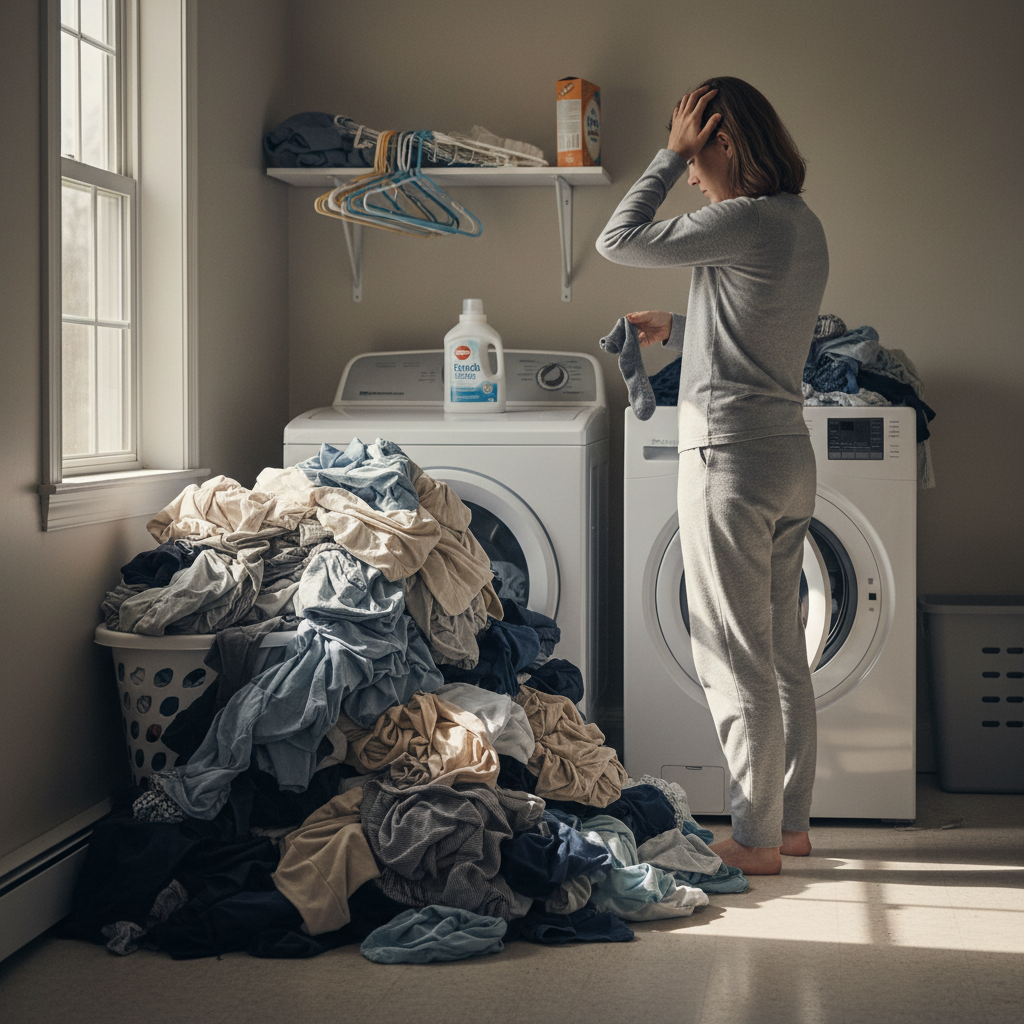
This article delves into the often-overlooked world of laundry habits, dissecting the ways we unknowingly waste time, money, and energy. We’ll explore the pitfalls of common practices, reveal the hidden costs, and, most importantly, provide practical, system-level solutions to transform this chore from a burden into a breeze. This isn’t about lofty ideals; it’s about smart, simple changes that fit seamlessly into your already busy life, leading to greater efficiency, reduced expenses, and a little more peace of mind.
The Hidden Costs of Laundry: Beyond the Obvious
We all know laundry consumes time and effort. But the real costs go far beyond the hours spent folding and ironing. Let’s break down the hidden drains on your resources:
Energy Consumption: The Silent Killer of Savings
The washing machine and dryer are energy hogs, plain and simple. Think about it: heating water, spinning clothes, tumbling them until dry – all require significant power. The older your appliances, the less efficient they are. Many people are unaware of the energy ratings of their appliances and the impact this has on their bills. Then there is the common habit of using high heat settings for drying, unnecessarily prolonging the process and guzzling energy. Furthermore, leaving the dryer running longer than necessary, or not cleaning the lint trap, both contribute to energy waste.
Water Usage: A Precious Resource Squandered
Water conservation is more critical than ever, and laundry plays a significant role in your water footprint. Washing machines, especially older models, can use considerable amounts of water per cycle. Overfilling the machine or running partial loads further exacerbates the problem. Consider how much water is used in a single wash cycle, and multiply that by the number of loads you do each week. It quickly adds up.
Financial Drain: The Rising Cost of Convenience
Electricity and water bills aren’t the only financial hits. The cost of laundry detergent, fabric softener, dryer sheets, and stain removers adds up significantly over time. Impulse purchases, such as specialty detergents for specific fabrics, further inflate the expense. Furthermore, the cost of replacing worn-out clothes that have been damaged by over-drying or harsh detergents also contributes to the financial drain.
Time Thief: The Hours Lost to Laundry Labyrinth
Laundry is a time-consuming chore, from sorting to folding and putting away. Think about the time spent: gathering clothes, pre-treating stains, waiting for the wash and dry cycles, folding, ironing, and putting everything away. Small inefficiencies, like forgetting to transfer clothes to the dryer promptly, or letting laundry pile up for days, can snowball into a significant time sink. The time you spend on laundry is time you could be using for things you enjoy, or for more productive tasks. Laundry is an easily-optimized part of any daily routine.
Common Laundry Mistakes and How to Fix Them
Many common laundry habits are surprisingly inefficient. Here are some of the most frequent mistakes and how to correct them, building a more time and resource-conscious approach:
Overloading the Washing Machine: The Efficiency Killer
Stuffing your washing machine to the brim might seem efficient, but it’s counterproductive. Overloading prevents clothes from moving freely, leading to poor cleaning and longer wash cycles. It also puts undue stress on the machine, potentially shortening its lifespan. The fix? Follow the machine’s guidelines for load size, typically filling it only about three-quarters full. This ensures proper cleaning and extends the life of your appliance.
Using Excessive Detergent: A Soap Opera of Waste
More detergent doesn’t equal cleaner clothes. In fact, using too much detergent can leave residue on your clothes, making them stiff and attracting dirt. Excess detergent also requires more water to rinse, further increasing water consumption. The solution is simple: measure your detergent. Follow the instructions on the detergent bottle, and consider reducing the amount if your clothes still feel clean. Also, check the water hardness in your area; you may need more or less detergent depending on this factor.
Ignoring the Lint Trap: A Fire Hazard and Efficiency Blocker
The lint trap is there for a reason, but it’s often overlooked. A clogged lint trap restricts airflow, forcing the dryer to work harder, consume more energy, and potentially posing a fire hazard. Cleaning the lint trap after every load is crucial, and it takes mere seconds. Make it a habit; you’ll thank yourself later.
Over-Drying Clothes: Shrinking Your Savings and Your Clothes
Over-drying is a common habit that wastes energy, damages clothes, and can lead to shrinkage. High heat breaks down fabric fibers, making clothes wear out faster. The simple solution is to dry clothes at a lower temperature setting and remove them before they are completely dry. Air-drying delicate items or those that tend to shrink is another effective strategy. This not only protects your clothes but also reduces energy consumption.
Ignoring Stains: A Missed Opportunity for Proactive Care
Waiting to treat stains until laundry day can make them harder to remove. Instead, address stains as soon as they happen. Blot, don’t rub, the stain, and apply a stain remover specifically designed for the type of stain. Pre-treating stains before washing significantly increases the chances of successful removal and can save you time and money on replacements.
Impulsive Buying of Laundry Products: A Budget Breaker
Are you constantly buying different detergents, fabric softeners, and other laundry products? This can quickly add up. Instead, develop a minimalist approach. Choose a high-quality, versatile detergent that can handle most of your laundry needs. Skip the fabric softener (it can reduce the absorbency of towels and sheets) and opt for dryer balls instead. Making conscious choices about what you buy can significantly reduce your laundry expenses.
Building a Smart Laundry System: Efficiency in Action
Transforming your laundry routine requires a system-level approach. Here’s how to create a smarter, more efficient laundry process:
Establish a Laundry Schedule: Routine is Key
A consistent laundry schedule prevents the dreaded laundry backlog. Decide on the best time to do laundry (e.g., once or twice a week, on specific days) and stick to it. This prevents the laundry pile from becoming overwhelming. Consider your schedule and your family’s needs to find a routine that works for you.
Pre-Sort Your Laundry: A Time-Saving Step
Set up a simple system for sorting your laundry. Use separate hampers or baskets for whites, darks, and delicates. If you have children, consider a separate hamper for their clothes. This simple step saves time on laundry day and prevents color bleeding.
Embrace Cold Water Washing: A Simple Energy Saver
Washing clothes in cold water can save a significant amount of energy, as it reduces the need to heat the water. Modern detergents are designed to be effective in cold water, so there’s no need to sacrifice cleaning power. This simple switch can make a big difference in your energy bill and is an easy habit to adopt.
Optimize Your Dryer Usage: Strategic Drying
Use the dryer strategically. Hang delicate items or clothes that might shrink to air dry. Consider line drying clothes whenever possible, especially during warmer months. When using the dryer, use the appropriate heat settings for the fabric, and remove clothes promptly when dry to prevent over-drying. Dryer balls can also help reduce drying time and soften clothes naturally.
Declutter and Organize Your Laundry Space: A Calm Environment
A cluttered laundry space can make the chore even more daunting. Organize your laundry area to maximize efficiency. Keep detergent, stain removers, and other supplies within easy reach. If you have a small laundry space, consider using vertical storage solutions. A well-organized space makes laundry less stressful and more efficient.
Invest in Smart Laundry Technology (Optional): Modern Convenience
Smart home technology can further streamline your laundry routine. Smart washing machines and dryers offer features like remote control, cycle notifications, and energy-saving modes. While not essential, these features can add convenience and efficiency, especially if you have a busy lifestyle. Check out HomeTech in 2026: Beyond the Buzz – The Smart Home’s Practical Reality to see some of the options available.
Long-Term Benefits: Peace of Mind and a Sustainable Lifestyle
Adopting smarter laundry habits goes beyond saving time and money. It contributes to a more sustainable lifestyle and brings long-term peace of mind. By reducing energy and water consumption, you’re doing your part to protect the environment. By simplifying your routine, you free up valuable time and reduce stress.
Reduced Stress and Time Savings: Reclaiming Your Time
A well-organized and efficient laundry routine significantly reduces stress. Knowing you have a system in place that works minimizes the mental load and allows you to focus on other priorities. The time saved can be used for hobbies, spending time with loved ones, or simply relaxing.
Cost Savings: Money Back in Your Pocket
Implementing smart laundry habits directly translates into cost savings. Lower energy bills, reduced water consumption, and fewer expenses on laundry products add up over time. These savings can be used for other financial goals or simply enjoyed as extra spending money.
Environmental Responsibility: A Sustainable Choice
By using less energy and water, you’re making a positive impact on the environment. Embracing eco-friendly laundry practices aligns with a more sustainable lifestyle. This conscious approach not only benefits the planet but also instills a sense of satisfaction in knowing you’re making a difference.
Frequently Asked Questions (FAQs)
Here are some of the most common questions about improving your laundry routine:
-
What’s the best way to pre-treat stains?
Address stains as soon as they happen. Blot the stain (don’t rub) and apply a stain remover specifically designed for the stain type. For tough stains, consider soaking the item in cold water with stain remover before washing.
-
How often should I clean my washing machine?
Clean your washing machine monthly to remove buildup of detergent and other residue. Run an empty cycle with hot water and a cup of white vinegar or a washing machine cleaner.
-
Should I use fabric softener?
Fabric softener can reduce the absorbency of towels and sheets. Consider skipping the fabric softener and using dryer balls instead. Dryer balls soften clothes naturally and reduce drying time.
-
How can I save energy when using the dryer?
Use lower heat settings, clean the lint trap after every load, and remove clothes promptly when dry. Consider air-drying delicate items or clothes that might shrink.
-
What type of detergent is best?
Choose a high-quality, versatile detergent that works well in cold water. Look for a concentrated formula to reduce packaging waste and save money. Consider liquid or pod detergents for convenience.
-
How can I make laundry less time-consuming?
Establish a regular laundry schedule, sort your laundry into separate hampers, pre-treat stains immediately, and streamline your drying process. A well-organized laundry space also helps.
-
Is it okay to overload the washing machine?
No, overloading the washing machine prevents clothes from moving freely, leading to poor cleaning and longer wash cycles. It also puts undue stress on the machine. Follow the machine’s guidelines for load size.
-
How often should I clean my lint trap?
Clean the lint trap after every load. This ensures proper airflow, reduces drying time, and prevents a fire hazard.
By implementing these smart laundry habits, you can transform this essential chore into a streamlined, efficient, and cost-effective process. The benefits extend beyond the laundry room, contributing to a more sustainable lifestyle and bringing greater peace of mind to your busy life. Embrace these small changes and enjoy the rewards of a smarter, more efficient approach to this everyday task.