The morning routine. We all have one, a dance of habit that gets us from sleep to the start of the day. For many, it’s a predictable sequence: alarm, snooze, shower, coffee, news, and then out the door. But have you ever considered the energy footprint of that routine? Little things, seemingly insignificant, can add up to a significant drain on your wallet and the planet. Let’s delve into these unseen energy thieves and discover how to reclaim control and build a more energy-efficient life.
The Energy Audit of Your Morning
Imagine a typical weekday morning:
* **6:30 AM:** The alarm clock blares. It’s been plugged in, drawing power 24/7, even when you’re asleep.
* **6:45 AM:** The shower kicks on, the water heater working overtime to deliver hot water.
* **7:00 AM:** The coffee maker brews a fresh pot, using energy to heat the water and keep the carafe warm.
* **7:15 AM:** You check the news on your phone while charging it, adding to the load on your electrical grid.
* **7:30 AM:** The lights are on, illuminating the kitchen. Breakfast is made on an electric stove or in a microwave.
* **7:45 AM:** Before leaving, you might quickly check the weather on your television or the news one last time on your computer, again plugged in and consuming energy.
Individually, these actions may seem harmless. But multiply them by every day and every appliance in your home, and you begin to see the bigger picture.
The “Phantom Load” Menace
One of the biggest culprits of wasted energy is the “phantom load” or “vampire power” consumed by devices even when they are turned off. These devices still draw power, often through their standby mode, waiting for a remote control signal or an on/off command. Common offenders include:
* Televisions
* Computers and monitors
* Game consoles
* Phone chargers
* Microwaves
* Cable boxes
This phantom load can account for a significant portion of your home’s energy consumption, potentially up to 10% of your total electricity bill. Imagine paying for a service you’re not even using.
Inefficient Habits: The Energy Sinks
Beyond phantom loads, everyday habits can also lead to significant energy waste:
* **Leaving Lights On:** Leaving lights on in empty rooms is a simple but common mistake.
* **Using Incandescent Bulbs:** Incandescent bulbs convert most of their energy into heat, not light, making them highly inefficient.
* **Over-reliance on Heating/Cooling:** Setting your thermostat too high in winter or too low in summer, and failing to use it wisely, can drastically increase energy consumption.
* **Inefficient Appliances:** Older appliances, such as refrigerators, washing machines, and dishwashers, often consume far more energy than modern, energy-efficient models.
* **Unnecessary Hot Water Use:** Washing clothes in hot water when cold water would suffice, taking long showers, and setting your water heater too high all waste energy.
* **Not Changing Air Filters:** Clogged air filters make HVAC systems work harder, using more energy and reducing efficiency.
These habits, often ingrained, contribute to a cycle of wasted energy and higher bills.
Building a Smarter System: Practical Improvements
The good news is that these inefficiencies are easily remedied. Here’s a system-level approach to energy efficiency, focusing on simple, impactful changes:
1. Unplug and Power Down
The simplest and most immediate solution to phantom load is to unplug devices when not in use. For convenience, consider using:
* **Smart Power Strips:** These strips automatically cut off power to devices in standby mode.
* **Outlet Timers:** These allow you to set specific times for devices to be powered on and off, ideal for things like lamps and entertainment systems.
2. Upgrade Your Lighting
Replace incandescent bulbs with LED bulbs. LEDs use significantly less energy and last much longer. Also, consider smart lighting systems that allow you to control lights remotely and set schedules. Motion-sensing switches are another option for automatically turning off lights in empty rooms.
3. Optimize Your Thermostat
Install a smart thermostat. These devices learn your heating and cooling habits, optimize energy use, and can save you 10–12% on heating and 15% on cooling costs annually. Programmable thermostats are another, less expensive option, allowing you to set different temperatures for different times of the day.
4. Upgrade Your Appliances
When it’s time to replace appliances, choose energy-efficient models with an Energy Star rating. Look at the EnergyGuide label, which provides information on annual energy consumption and operating costs.
5. Smart Water Usage
* Wash clothes in cold water whenever possible.
* Lower your water heater temperature. 120°F (49°C) is often sufficient.
* Take shorter showers.
* Fix leaky faucets promptly.
6. HVAC Maintenance
* Change air filters regularly (every 1-3 months).
* Schedule annual HVAC system maintenance.
* Ensure proper insulation in your home.
7. Monitor Your Energy Usage
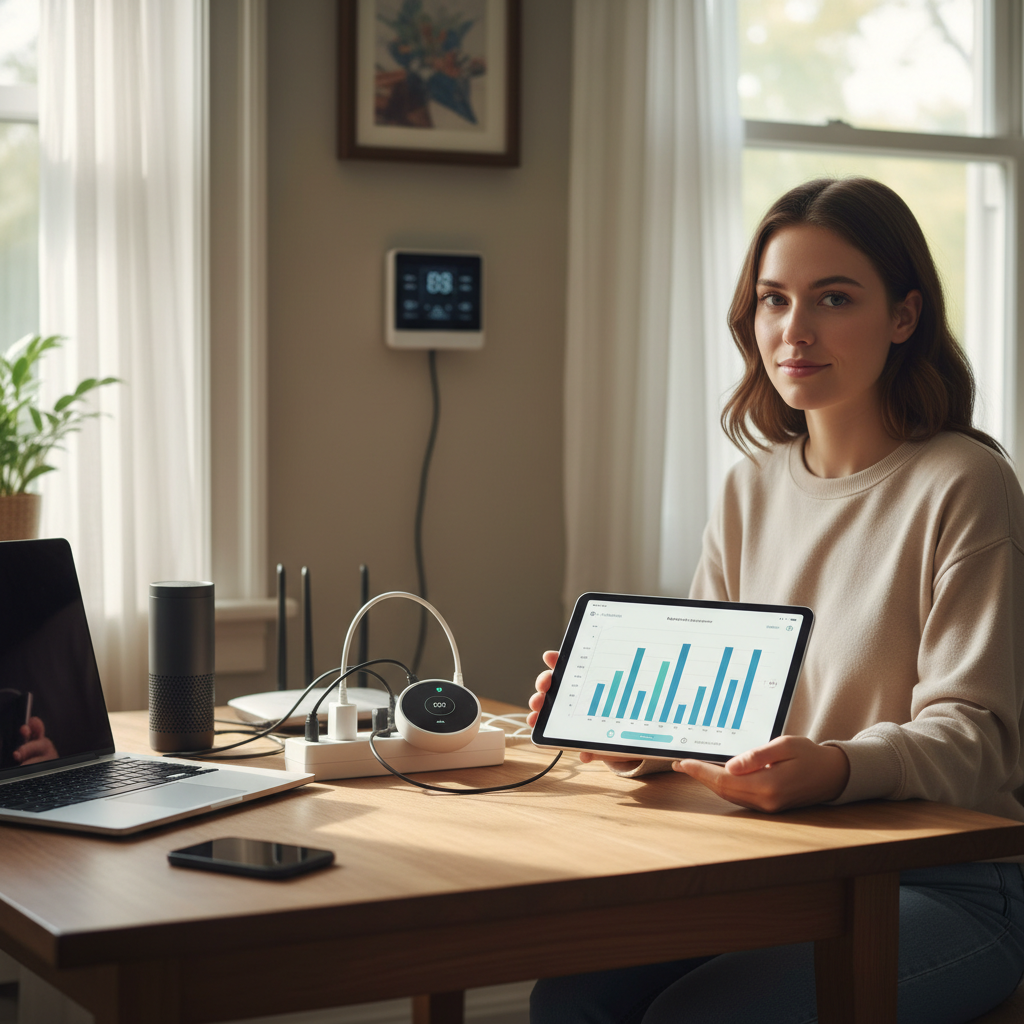
Install a home energy monitor. These devices connect to your electricity meter and provide real-time data on your energy consumption, allowing you to identify energy-guzzling appliances and track the impact of your efficiency efforts. Some monitors can even offer personalized recommendations for optimizing your energy usage.
Modern Lifestyle Benefits
Embracing these smart energy practices offers more than just financial savings. You will experience:
* **Reduced Energy Bills:** Lowering your energy consumption directly translates to lower utility bills.
* **Increased Comfort:** Efficient homes maintain more consistent temperatures, eliminating drafts and cold spots.
* **Enhanced Peace of Mind:** Knowing you’re using energy responsibly can reduce stress and anxiety.
* **Environmental Responsibility:** Reducing your energy footprint is a key step in combating climate change.
* **Convenience:** Smart home technology can automate many energy-saving tasks, freeing up your time and energy.
These seemingly small changes create a ripple effect, leading to a more efficient, comfortable, and sustainable lifestyle.
Frequently Asked Questions (FAQ)
1. How much money can I realistically save by implementing these changes?
The savings vary depending on your habits, the size of your home, and your current energy consumption. However, studies show that households can cut energy costs by up to 25% through energy efficiency. Implementing even a few of the suggestions above can lead to significant savings.
2. Are smart home devices expensive?
Some smart home devices, like smart thermostats and home energy monitors, have an initial cost. However, the long-term energy savings often offset the upfront investment. There are also many affordable options available.
3. How do I know if my appliances are energy efficient?
Look for the Energy Star label. It indicates that an appliance meets specific energy efficiency criteria set by the EPA. You can also check the EnergyGuide label, which provides information on annual energy consumption and operating costs.
4. How often should I change my air filters?
Most experts recommend changing your air filters every 1-3 months, depending on your environment and usage.
5. What is “phantom load” and why is it important?
Phantom load refers to the energy consumed by electronic devices while they are turned off or in standby mode. It’s important because it adds up, contributing to higher electricity bills and unnecessary energy waste. Unplugging devices is the best way to eliminate phantom load.
6. Is it worth it to insulate my home?
Yes, proper insulation is crucial for maintaining a comfortable temperature and reducing energy waste. Insulating your walls, attic, and crawl spaces can significantly reduce heat loss in winter and heat gain in summer, leading to lower energy bills.
7. How do I choose the right home energy monitor?
Consider your needs and budget. Some monitors track whole-home energy usage, while others monitor individual circuits or appliances. Features like real-time data, historical tracking, and personalized recommendations can be valuable. Look into products like the Emporia Vue or the Sense Monitor.
8. Can I get help with energy efficiency improvements?
Yes, many local and national programs offer rebates, incentives, and financing for energy efficiency upgrades. Check with your utility company and your local government for information on available programs.
Conclusion: The Path to Energy Efficiency
Making your home more energy-efficient is not a one-time project, but an ongoing process. By identifying energy-wasting habits, implementing practical improvements, and monitoring your progress, you can create a home that is both comfortable and sustainable. Every small change contributes to a larger goal: a more efficient, cost-effective, and environmentally responsible lifestyle. Take the first step today. You can find more information and resources on Josephs Well, or on related topics like how your phone is affecting your sleep.