Life in 2026 is, for many, a whirlwind. We’re constantly bombarded with information, demands on our time, and the pressure to be productive. Amidst this, the smart home offers a sanctuary, not just of convenience, but of efficiency and peace. It’s not about extravagant gadgets or futuristic aesthetics; it’s about subtle, yet powerful, changes that streamline your daily routine, reclaim your time, and reduce stress. This article explores how to make the most of this technology, focusing on practical applications and lasting benefits.
The Inefficiencies of the “Normal” Day
Let’s paint a picture of a typical morning. You wake up, perhaps to the jarring sound of an alarm. You groggily stumble out of bed, make your way to the kitchen, and start the coffee machine. While the coffee brews, you might browse your phone, catching up on news and social media, or you might start prepping breakfast. Soon, you’re rushing to get ready for work, frantically searching for keys or your phone. This seemingly normal routine is riddled with inefficiencies. These small, repetitive actions consume your energy and time. Each interruption, each search, and each decision adds to the mental load.
People often overlook these inefficiencies because they seem insignificant on their own. However, these small time-wasters compound throughout the day, leaving you feeling perpetually behind and stressed. Over time, these daily hassles can contribute to burnout and reduce your overall quality of life.
The Risks and Hidden Costs
Inefficiency has hidden costs. It leads to wasted time, which translates to lost opportunities and reduced productivity. It can also increase stress levels, impacting your health and relationships. A cluttered home environment, for example, is linked to higher cortisol levels (the stress hormone). And security lapses, such as leaving doors unlocked or forgetting to set the alarm, can expose you to potential risks.
These risks and costs are not always obvious. The cumulative effect of inefficient routines may only become apparent over time, as fatigue, stress, and a general sense of being overwhelmed begin to take hold.
Common, Yet Easily Corrected, Habits
Many common habits contribute to these daily inefficiencies. One is the lack of a consistent morning routine. Without a set plan, you’re forced to make decisions on the fly, draining your mental energy. Another is the failure to prepare in advance. Laying out your clothes the night before, for example, can save valuable minutes in the morning.
Disorganization is another major culprit. Cluttered countertops, overflowing email inboxes, and a lack of designated spaces for frequently used items contribute to a sense of chaos and the need to constantly search for things. Finally, the constant distraction of notifications and the impulse to constantly check your phone is a huge one. “The Ping and the Pause: Rethinking the Rhythm of Notifications in 2026” offers some useful perspectives on this [Internal Link 1].
System-Level Improvements: Building a Smarter Routine
The solution lies in implementing simple, system-level improvements. The goal is to create a more streamlined, efficient, and stress-free daily routine.
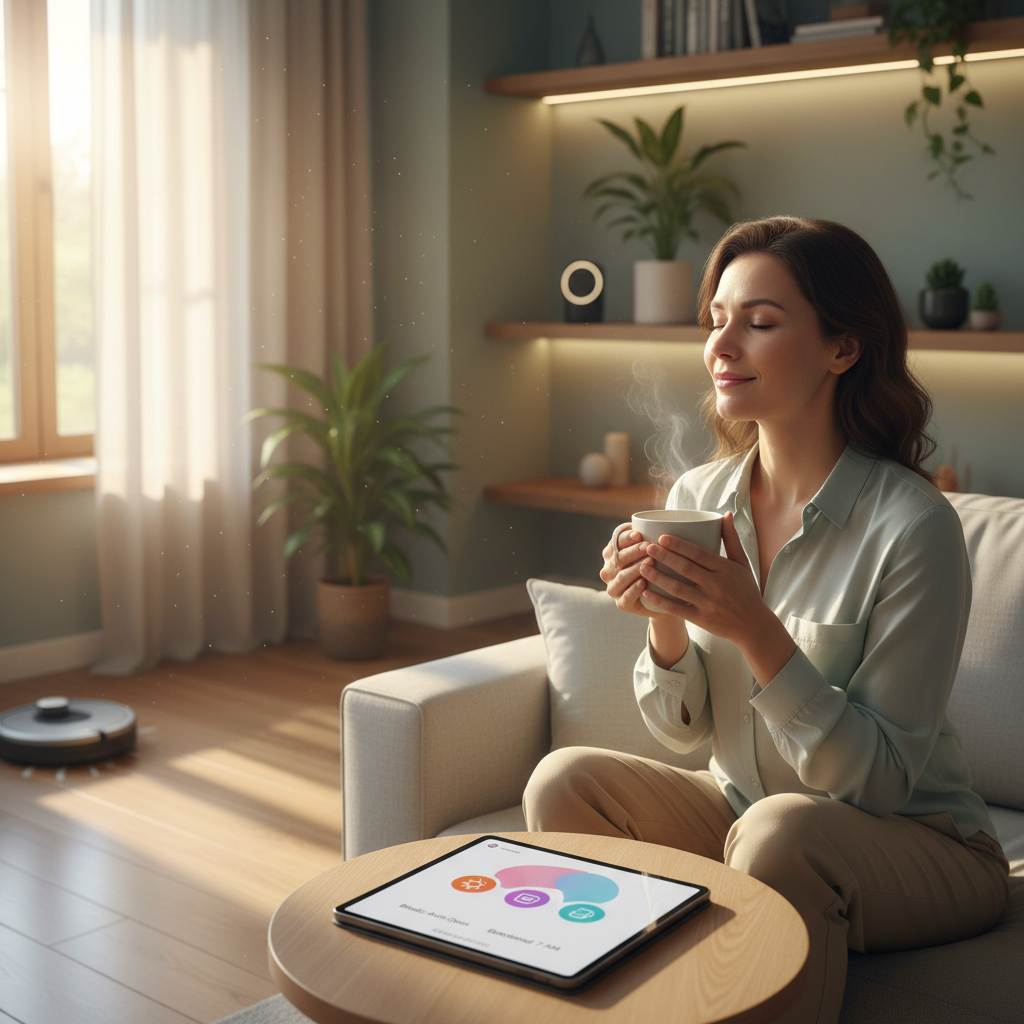
* **Automate Your Mornings:** Implement a smart home routine that gradually brightens lights, adjusts the thermostat to your preferred temperature, and starts playing your favorite music or the news at a set time. This reduces decision fatigue and frees up your mental energy for more important tasks.
* **Create Drop Zones:** Establish designated areas for frequently used items. A tray by the door for keys, wallet, and sunglasses prevents frantic searches.
* **Embrace Smart Home Security:** Integrate a smart security system. Systems like ADT, Vivint, and SimpliSafe offer comprehensive solutions. These systems can remotely monitor your home, detect intrusions, and integrate with other smart home devices. They can also provide peace of mind and improve your home security.
* **Utilize Smart Storage:** Employ clear storage containers and labels to organize your home. Clear containers allow you to easily see the contents, saving you time and effort.
* **Automate Chores:** Use robot vacuums and smart appliances to automate routine chores.
* **Optimize Time Management:** Use digital time management tools to schedule focused work periods.
Relevance in the Modern Lifestyle
These smart home improvements are particularly relevant in our fast-paced modern lifestyle. The increasing demands on our time and attention make efficiency and stress reduction paramount. The ability to automate tasks, streamline routines, and enhance security is more valuable than ever.
Additionally, the rise of remote work has blurred the boundaries between home and office. A smart home can help create a dedicated workspace and maintain a healthy work-life balance.
Long-Term Benefits: Peace, Convenience, and a Sense of Control
The long-term benefits of implementing these smart home solutions are significant. They include:
* **Reduced Stress:** Streamlined routines and automated tasks free up mental energy and reduce the feeling of being overwhelmed.
* **Increased Time:** Automating tasks and improving organization frees up time for activities you enjoy, whether it is spending time with loved ones, pursuing hobbies, or simply relaxing.
* **Enhanced Security:** A smart home security system protects your home and family, providing peace of mind.
* **Improved Efficiency:** Optimized routines lead to increased productivity and a greater sense of accomplishment.
* **Greater Peace of Mind:** Knowing that your home is secure, your routines are streamlined, and your energy is conserved can lead to a greater sense of calm and control.
These benefits extend beyond mere convenience. By creating a more efficient and secure home environment, you’re investing in your long-term well-being.
FAQ: Your Questions Answered
Here are some frequently asked questions about smart homes and optimizing your daily routine:
**1. How much does it cost to set up a smart home?**
The cost of setting up a smart home varies widely, depending on the scope and complexity of the system. Basic setups, involving a few smart bulbs and a smart speaker, can be relatively inexpensive. More comprehensive systems, including security systems, automated lighting, and climate control, can cost several hundred to several thousand dollars. However, the investment is offset by the energy savings and the convenience and improved quality of life they bring.
**2. Are smart homes secure?**
Like any technology, smart homes are vulnerable to cyber threats. However, manufacturers are continually improving security features. It’s essential to choose reputable brands and to regularly update your devices’ firmware.
**3. What are the essential smart home devices to start with?**
A smart speaker (like Amazon Echo or Google Nest), smart lights, and a smart thermostat are excellent starting points. These devices offer a good balance of convenience and functionality.
**4. How do I integrate smart devices into my daily routine?**
Start by identifying the tasks that consume the most time or cause the most stress. Then, research smart devices that can automate those tasks. For example, if you waste time looking for keys, install a smart lock and a key holder.
**5. What are some practical time-saving tips for busy people?**
Incorporate these tips: Plan your day the night before. Declutter regularly. Use a digital calendar. Make use of “dead time” (such as while waiting for the coffee machine to brew).
**6. How can I improve my home’s energy efficiency with smart devices?**
Smart thermostats can automatically adjust the temperature based on your schedule, and smart lighting can turn off lights in unoccupied rooms. You can also monitor your energy usage through smart home apps.
**7. What is the best smart home security system?**
The best system depends on your needs. ADT and Vivint offer comprehensive professional monitoring services, while SimpliSafe is known for its DIY-friendly approach. Abode is a strong choice for smart home compatibility.
**8. How do smart routines benefit my family?**
Smart routines can enhance your family’s daily life. They can automate tasks, reduce stress, enhance security, and create a more comfortable home environment, benefiting everyone. Smart routines can handle many tasks for you and your family, and let you spend time more freely.
Conclusion: Building a Simpler, Smarter Life
The smart home revolution isn’t about technology for technology’s sake. It’s about leveraging technology to create a simpler, more efficient, and more enjoyable life. By taking small, consistent steps – automating your mornings, decluttering your home, and integrating smart security – you can reclaim your time, reduce stress, and cultivate a greater sense of control. The result is a more peaceful, productive, and fulfilling life. You can start with these smart home habits that can improve life quality without extra effort. For more inspiration, explore [Internal Link 2] and discover how Josephs Well can help you on your journey towards a smarter, more efficient life.