It’s a familiar scene: you open your monthly electricity bill, a mix of apprehension and curiosity bubbling inside. This month, it’s particularly jarring. “Wow,” you mutter, “did we *really* use *that* much power?” The truth is, most of us are in the dark about how our homes consume energy. We know the basics – lights, appliances, the AC blasting on a hot day. But beyond that, it’s a mystery.
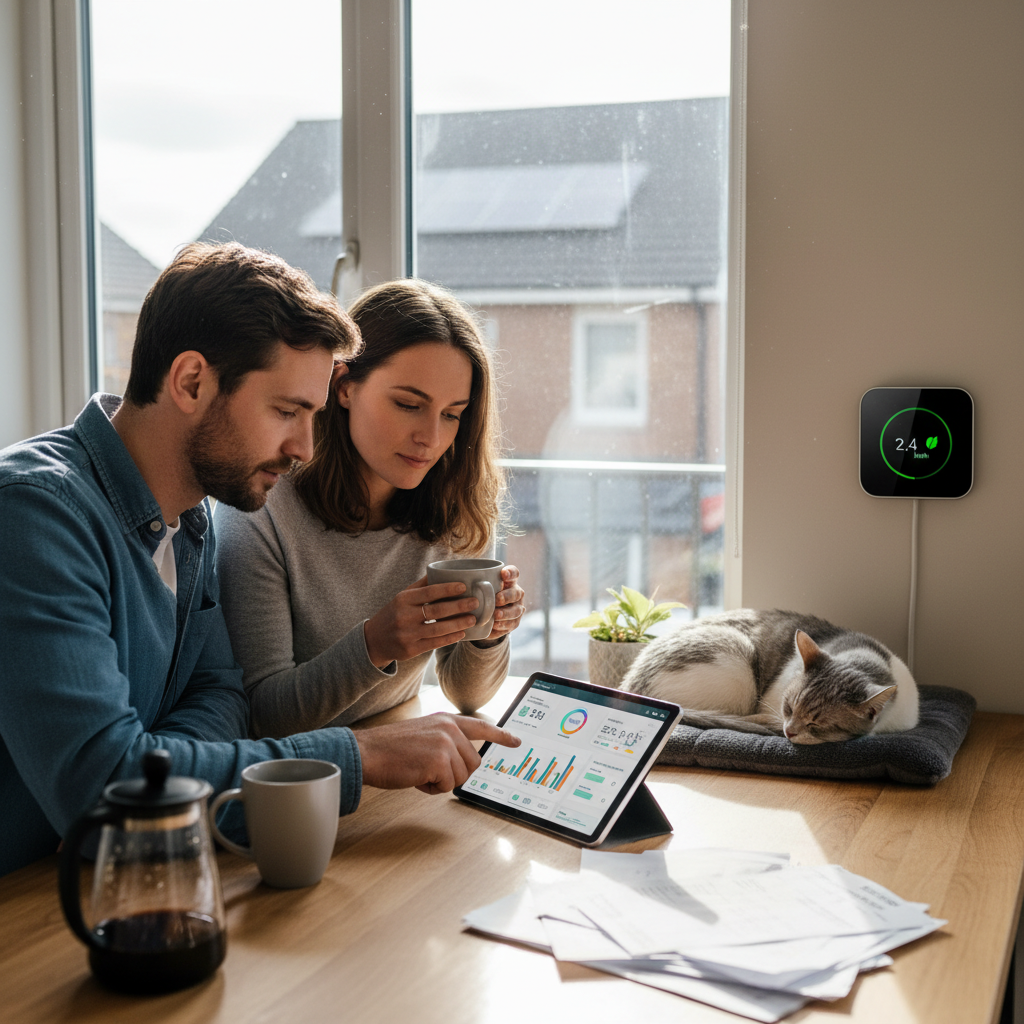
This is where smart energy monitoring steps in, a technology that’s rapidly evolving from a niche gadget to an essential tool for every homeowner. In 2026, it’s not just about saving money (though that’s a huge perk). It’s about understanding your home’s energy footprint, making informed choices, and future-proofing your living space for a world where energy costs and environmental concerns are increasingly intertwined.
Why Does Smart Energy Monitoring Matter?
Let’s be real: electricity bills are going up. Rising energy costs, combined with increasing reliance on solar and other alternative energy sources, have made understanding and controlling energy consumption a top priority for homeowners. Smart energy monitoring provides the visibility you need to see exactly how and when you use energy. This empowers you to identify areas of inefficiency and make adjustments, leading to tangible savings.
But it’s more than just the bottom line. Smart energy monitoring offers a window into your home’s energy habits. You can see how much power your appliances draw, identify “vampire loads” (devices that consume energy even when turned off), and optimize your usage patterns to align with off-peak rates. For those with solar panels, smart monitoring is crucial for maximizing the return on investment. You can track your solar production alongside your consumption, ensuring you’re using as much of your own generated power as possible.
The Tech Explained: What’s Under the Hood?
Smart energy monitoring systems come in different flavors, but the core components are similar. Here’s a quick breakdown:
* **Sensors:** These are the eyes of the system, measuring your home’s energy consumption in real-time. They often clamp onto the wires in your electrical panel or plug directly into outlets.
* **Monitors/Hubs:** This is the central brain, collecting data from the sensors and processing it. It usually connects to your home’s Wi-Fi network.
* **Software/App:** This is where you interact with the data. You’ll get real-time insights, historical data, and often, the ability to set goals and receive alerts.
Some advanced systems use AI and machine learning to identify individual appliances and their energy usage. This level of detail allows for very targeted energy-saving strategies.
Common Misunderstandings and Misuses
Like any technology, smart energy monitoring has its pitfalls. Here’s what to watch out for:
* **Over-reliance on data:** While the data is powerful, don’t get bogged down in constantly checking the app. Use the information to make changes, but don’t let it become a source of stress.
* **Ignoring the big picture:** Focus on the major energy consumers first (heating, cooling, water heating) before getting lost in the details of individual appliances.
* **Assuming instant results:** It takes time to understand your energy patterns and implement changes. Be patient and persistent.
* **Neglecting basic energy-saving habits:** Smart technology is great, but it’s not a substitute for turning off lights, unplugging devices, and using appliances efficiently.
Smart Usage & Maintenance Habits for Maximum Benefit
To make the most of your smart energy monitor, adopt these habits:
* **Set up your system correctly.** Follow the installation instructions carefully. Make sure the sensors are properly placed and the system is calibrated.
* **Review your data regularly.** Check the app at least once a week (or more often initially) to see where your energy is going.
* **Identify energy hogs.** Look for appliances or devices that are consuming a lot of power. This might include older refrigerators, gaming consoles, or inefficient lighting.
* **Adjust your habits.** Based on your data, make changes. Turn off lights when you leave a room, unplug chargers when not in use, and use energy-efficient appliances.
* **Automate when possible.** Integrate your energy monitor with smart plugs, smart thermostats, and other smart home devices to automate energy-saving actions.
* **Compare and contrast.** Track your energy usage over time to see the impact of your changes.
* **Don’t forget maintenance.** Regular appliance maintenance (cleaning air conditioner filters, descaling water heaters) can significantly improve energy efficiency.
2026 Relevance: What’s New and What Matters Most
In 2026, smart energy monitoring is more sophisticated and integrated than ever before. Here’s what to keep in mind:
* **Advanced AI & Machine Learning:** Systems are getting better at identifying individual appliances and their energy consumption, even without smart plugs.
* **Seamless Smart Home Integration:** Energy monitors are designed to work seamlessly with other smart home devices, allowing for automated energy-saving actions.
* **Solar & Battery Optimization:** For those with solar panels or battery storage, smart monitoring is essential for maximizing the return on investment. The Emporia Vue 3, for instance, is an excellent choice for solar tracking and net metering.
* **Increased Focus on Energy Efficiency:** With rising electricity costs and environmental concerns, energy efficiency is a top priority for many homeowners.
Future-Proof Advice: Investing in Your Home’s Energy Future
The future of home energy is smart, connected, and focused on efficiency. Here’s how to future-proof your home:
* **Choose a system that integrates with other smart home platforms.** This will give you more flexibility and control over time.
* **Look for systems that offer detailed, real-time data.** The more information you have, the better you can understand your energy usage.
* **Consider a system that supports solar and battery storage.** If you’re thinking about adding solar in the future, choose a monitor that’s compatible.
* **Prioritize whole-home monitoring over individual appliance monitoring.** While individual appliance monitoring is useful, a whole-home system will give you a broader perspective.
* **Don’t be afraid to invest in quality.** A good smart energy monitoring system is an investment that will pay off in the long run.
Frequently Asked Questions
* **Q: How much does a smart energy monitor cost?**
A: Prices vary, but you can find basic systems for around $100-$200, while more advanced whole-home systems can cost upwards of $300-$500.
* **Q: Is it difficult to install a smart energy monitor?**
A: Some systems are DIY-friendly and plug directly into outlets. Others require professional installation in your electrical panel.
* **Q: How accurate are smart energy monitors?**
A: The accuracy of smart energy monitors has improved significantly. Look for monitors with good reviews and certifications.
* **Q: Can a smart energy monitor save me money?**
A: Yes, by helping you identify areas of energy waste and optimize your usage habits, you can save money on your electricity bill. Many users recover the cost of the monitor within the first year through smarter energy use.
* **Q: Do I need a smart home to use a smart energy monitor?**
A: No, you can use a smart energy monitor independently. However, integrating it with other smart home devices will allow you to automate energy-saving actions.
* **Q: What are the best smart energy monitors in 2026?**
A: Some of the top-rated monitors include the Emporia Vue 3, Sense Energy Monitor, and Refoss EM16.
* **Q: Can smart energy monitoring help with solar panel usage?**
A: Yes, smart energy monitors can track both energy consumption and solar generation, which is essential for maximizing the benefits of your solar panels.
* **Q: Are there any privacy concerns with smart energy monitors?**
A: Always check the privacy policies of any smart home device you purchase. Ensure the manufacturer is transparent about how they collect and use your data.
Conclusion
Embracing smart energy monitoring in 2026 isn’t just a trend; it’s a smart move for homeowners looking to understand, control, and reduce their energy consumption. By providing real-time data, actionable insights, and the ability to integrate with other smart home devices, these systems empower you to take control of your energy bill and contribute to a more sustainable future. If you want to know more about saving energy, check out The Quiet Revolution: Mastering Your Smart Washing Machine in 2026. The future of home technology is here and it is all about your Josephs Well being smarter and more efficient.