It’s a chilly evening in early March 2026. The wind is howling outside, rattling the windows of my home. Inside, everything is cozy, the lights are dimmed, and a sense of calm pervades. My home security system is quietly humming, keeping a watchful eye over everything, and I feel a deep sense of security. It wasn’t always this way. I remember a time when home security meant a basic alarm system, maybe a few window stickers, and a prayer. Now, it’s a completely different world.
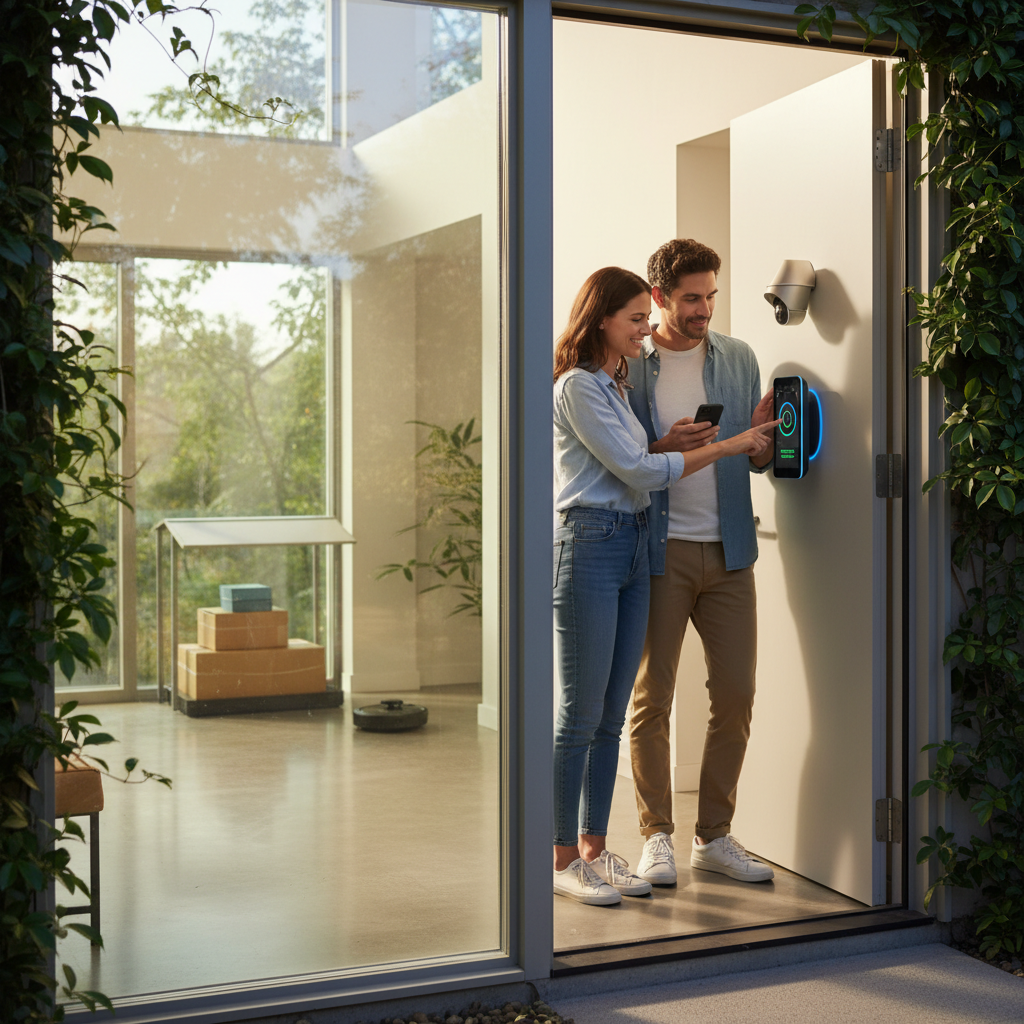
Why Home Security Matters in 2026
The world has changed. While crime rates fluctuate, the nature of threats has evolved. Package theft is rampant, and environmental hazards, such as severe weather, are more frequent. That’s why in 2026, home security is about more than just reacting to a break-in; it’s about anticipating threats and taking proactive measures. It’s about feeling safe, whether you’re at home or miles away.
The Evolution of Home Security
Remember those old, clunky alarm systems? They were a start, but they had limitations. They were often hard to use, prone to false alarms, and didn’t offer much in the way of remote access or control. The evolution has been remarkable. Today’s systems are smart, connected, and designed to seamlessly integrate with your life.
From Basic Alarms to Smart Systems
The transition has been driven by several key factors:
* **Technological Advancements:** AI-powered cameras, advanced sensors, and improved connectivity have revolutionized what’s possible.
* **Increased Connectivity:** Smart home technology has made it easier to connect all your devices, creating a unified security ecosystem.
* **Consumer Demand:** People want peace of mind, ease of use, and the ability to control their homes from anywhere.
Common Misunderstandings and Misuses
Even with all the advancements, there are still misunderstandings and misuses that can undermine a home security system’s effectiveness.
Mistake 1: Assuming More is Always Better
It’s tempting to load up on every gadget and sensor available. However, a complex system can be overwhelming and lead to alert fatigue. The key is to design a system that fits your specific needs and lifestyle.
Mistake 2: Neglecting Maintenance
Home security systems require regular maintenance. Ignoring this crucial aspect can lead to system failures, false alarms, and ultimately, a compromised sense of security. Regular maintenance can extend the lifespan of your burglar alarm system, saving you time and money.
Mistake 3: Over-Reliance on DIY
While DIY systems offer affordability, professional installation often ensures optimal placement, configuration, and integration. A professional can identify vulnerabilities and customize the system for maximum effectiveness.
Mistake 4: Failing to Prioritize Privacy
In a world of connected devices, privacy is paramount. Choose systems that prioritize data security and offer robust privacy controls.
Common Long-Term Problems
Over time, even the best home security systems can encounter problems.
Problem 1: False Alarms
False alarms are a major annoyance. They can be caused by various factors, including:
* **Environmental Triggers:** High winds, pets, or insects.
* **Installation Issues:** Incorrect sensor placement or sensitivity settings.
* **Equipment Malfunctions:** Faulty sensors or outdated equipment.
Problem 2: Connectivity Issues
Modern systems rely on a stable internet connection. Connectivity problems can disrupt communication between your system’s components.
Problem 3: Battery Failure
Batteries die. Wireless sensors and backup systems depend on batteries, which need to be regularly checked and replaced. As a general rule, you should aim to replace the batteries in your system at the five-year mark if the batteries have not yet been replaced since you installed the system.
Problem 4: Cybersecurity Vulnerabilities
Smart home devices can be vulnerable to hacking. Weak passwords, outdated software, and unsecured networks can leave your system open to attack.
Smart Usage and Maintenance Habits in 2026
Maintaining a home security system is an ongoing process.
Routine Inspections
Make these a part of your routine:
* **Visual Checks:** Examine cameras, sensors, and alarms for damage or obstructions.
* **Functional Testing:** Test your system monthly to ensure everything is working correctly.
* **Perimeter Check:** A lot can happen in your yard as the seasons change, so checking your outdoor security devices every six months is a good idea.
Regular Cleaning
Dust and debris can impair performance. Clean lenses and sensors regularly.
Software and Firmware Updates
Keep your system’s software and firmware up to date. This ensures that your system remains protected.
Battery Management
Regularly check and replace batteries in your wireless devices. A house alarm battery usually lasts between 1 and 5 years, depending on battery chemistry, system design, and operating conditions.
Network Security
Protect your network with strong passwords, two-factor authentication, and device isolation.
Future-Proof Advice for Home Security
The home security landscape will continue to evolve. Here’s how to stay ahead of the curve.
Embrace AI and Automation
AI-powered systems can distinguish between a delivery driver, a roaming animal, and a potential intruder. Look for systems with advanced analytics and predictive capabilities.
Prioritize Interoperability
Choose systems that support Matter and other open standards. This ensures that your devices can communicate with each other, regardless of brand.
Focus on Verification
Dispatch is increasingly tied to verification, and verification usually means video, audio, or a confirmed panic trigger.
Consider Professional Monitoring
Professional monitoring offers added peace of mind, especially when paired with video verification.
Prioritize Local Control and Privacy
Go local when possible. If a device supports local control, use it. If it forces everything through the cloud, consider whether you really need it.
Home Security FAQs for 2026
Here are some frequently asked questions, answered with practical, experience-based insights.
1. What’s the best type of home security system for my needs?
The best system depends on your individual circumstances. Consider factors like home size, budget, and desired level of monitoring. DIY systems offer affordability, while professionally installed systems provide more comprehensive protection.
You’ll generally pay $200 to $400 on basic equipment, plus $20 to $300 for each additional sensor. Monthly monitoring services can run anywhere from $10 to $65 per month.
2. How often should I test my home security system?
Test your system at least once a month to ensure all components are functioning correctly.
3. How long do the batteries in my security system last?
Most wireless sensor batteries will last between 12 and 36 months, depending on usage and quality. Control panels and bell boxes usually rely on sealed lead-acid (SLA) or rechargeable lithium backup batteries. These have a longer lifespan often 4 to 6 years but still need checking occasionally, especially after a mains power outage.
4. How can I reduce false alarms?
Ensure proper installation, maintain your system regularly, and address any environmental factors that might trigger false alarms. AI-based filtering can also help.
5. What are the key features to look for in a home security system?
Look for features like AI-powered threat detection, remote access and control, and integration with other smart home devices. Granular detection controls (zones, sensitivity, object types) and a strong track record of firmware updates are also important.
6. Is professional monitoring worth the cost?
Professional monitoring offers peace of mind and can provide faster response times in an emergency.
7. How can I protect my privacy with a smart home security system?
Choose systems with strong data encryption and privacy controls. Review the manufacturer’s security policies and prioritize local control over cloud-based services.
8. What are the most popular smart home security devices in 2026?
Popular smart home devices are smart thermostats, smart cameras, smart bulbs, video doorbells, smart garage door openers and smart door locks.