It’s a typical Tuesday evening. Dinner is done, the kids are in bed, and you’re settling in for a little downtime. Suddenly, your phone buzzes. It’s a notification from your home security system: “Motion detected at the front door.” Heart racing, you pull up the live feed from your smart security camera. Is it a prowler? A package thief? Or just the neighbor’s cat?
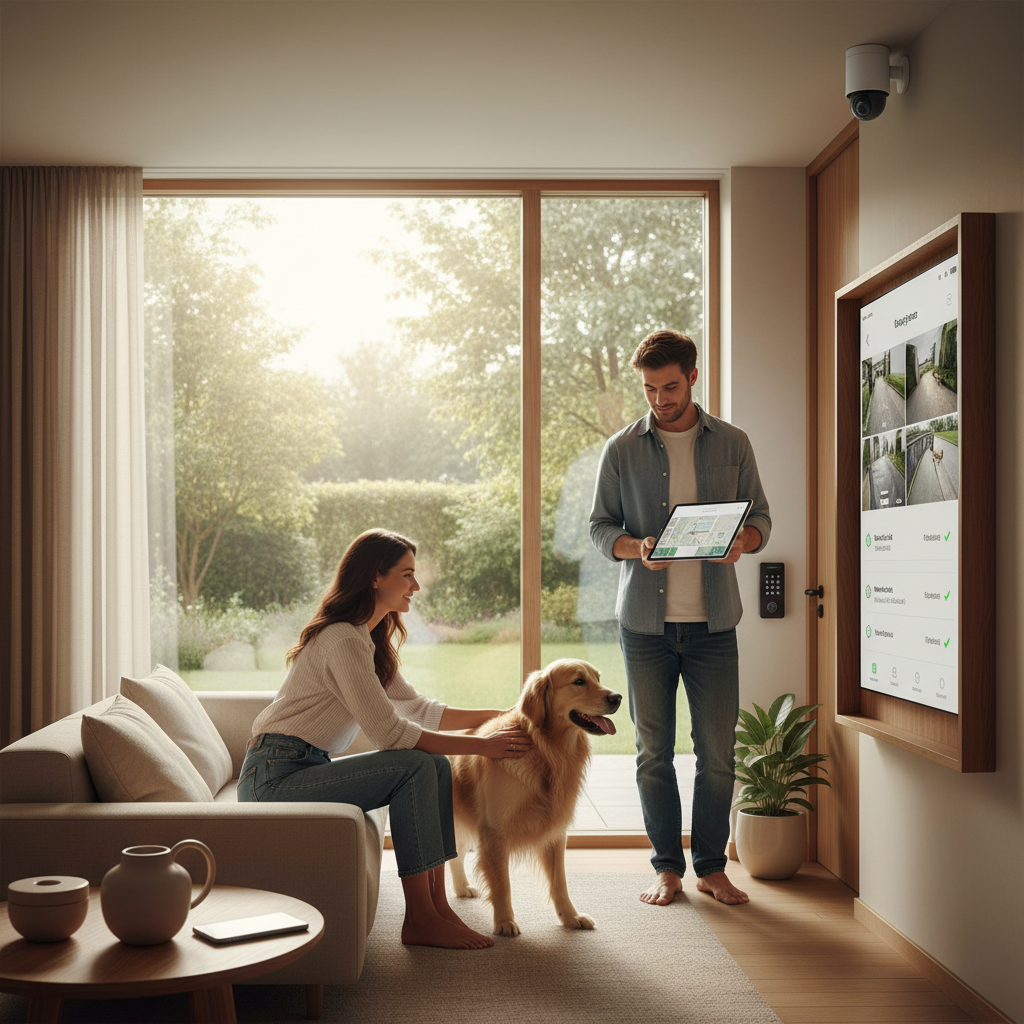
This scenario, once the stuff of sci-fi, is now commonplace, thanks to the evolution of smart home security. In 2026, it’s not just about alarms and sirens anymore. It’s about proactive protection, real-time insights, and a level of control that puts you firmly in charge of your home’s safety. But with all the advancements, what are the key things to know to make the most of this technology and avoid common pitfalls?
The Genesis of Smart Home Security: From Basic Alarms to Intelligent Systems
Think back to the home security systems of yesteryear. They were often clunky, professionally installed, and primarily reactive. If a break-in occurred, the alarm would sound, hopefully scaring off the intruder, and then you’d have to sort through the aftermath.
The shift to smart home security began with the advent of wireless technology and the internet. Suddenly, homeowners could remotely monitor their homes via smartphones and receive instant alerts. This marked a significant leap, but the early systems still had limitations. False alarms were frequent, integration with other smart devices was limited, and the user experience could be clunky.
Today, however, the landscape is vastly different. Smart security systems in 2026 are characterized by:
- AI-powered detection: Systems can distinguish between a person, a pet, or a vehicle, reducing false alarms.
- Seamless Integration: Security devices work together and integrate with other smart home systems, such as lighting and door locks.
- Proactive Features: Some systems offer features like preemptive deterrents, such as spotlights or audible warnings.
- Enhanced Privacy: With heightened concerns around data privacy, there’s an increasing emphasis on secure data transmission, local storage options, and the ability to disable cameras when not in use.
Common Misconceptions and Misuses: Avoiding Security System Pitfalls
Despite the sophistication of modern systems, homeowners can still fall prey to common misconceptions and misuses that undermine their effectiveness.
One common mistake is assuming that more features automatically translate to better security. Often, users get overwhelmed by complex systems and fail to configure them correctly. This can lead to missed alerts or, worse, a system that’s easily bypassed. It’s often better to focus on a few key features that meet your specific needs rather than trying to use everything at once.
Another issue is neglecting regular maintenance. Like any technology, smart security systems require periodic checks and updates. Neglecting maintenance can lead to:
- Malfunctioning sensors: Dust, dirt, or spider webs can trigger false alarms or prevent sensors from working correctly.
- Outdated software: Failing to update firmware can leave your system vulnerable to cyberattacks.
- Battery failures: Backup batteries in the control panel and sensors need to be replaced periodically.
Finally, many homeowners make the mistake of not considering their home’s unique layout when designing their security system. A one-size-fits-all approach rarely works. Understanding your home’s entry points, blind spots, and vulnerabilities is crucial for effective protection.
Smart Habits and Maintenance: Keeping Your System in Peak Condition
To maximize the benefits of your smart home security system, establish a routine of smart usage and maintenance habits.
* Regular Testing: Test your system monthly to ensure all sensors, cameras, and alarms are functioning correctly.
* Sensor Hygiene: Clean sensors and cameras regularly to remove dust and debris.
* Software Updates: Stay on top of firmware updates to patch security vulnerabilities and benefit from new features.
* Professional Check-ups: Consider an annual maintenance check by a security professional to identify any hidden issues.
* Prioritize Privacy Settings: If you’re concerned about data privacy, choose systems that offer local storage options.
Make sure that you are aware of common problems. For example, insufficient coverage or false alarms are two of the most significant issues. These can be avoided by making sure the system is installed correctly. Also, make sure that all the components work well together.
You can also use the system to your advantage by setting up routines. For example, you can have the system automatically arm itself when you leave the house and disarm when you return.
Future-Proofing Your Home Security: What Really Matters in 2026 and Beyond
As home security technology continues to advance, several factors will be crucial for future-proofing your system:
* AI is essential. Artificial intelligence will reduce false alarms and provide more accurate alerts. Also, it will play a role in improving the energy efficiency of your smart home.
* Prioritize integration. Choose systems that seamlessly integrate with other smart home devices. This allows for automation and a more cohesive user experience.
* Consider data privacy. Look for systems that offer robust data encryption and local storage options to protect your personal information.
* Select open standards. Look for products that are compatible with open standards. This means you will not have to get locked into one particular brand and will allow you to upgrade in the future.
* Invest in Cybersecurity. As smart devices become increasingly connected, it’s vital to protect your network. Make sure your system has strong password policies and regular software updates.
The best smart home security systems will adapt to your needs and lifestyle. By choosing a system that combines advanced features, user-friendly design, and a commitment to data privacy, you can create a safe and secure home for years to come.
It’s also important to note that home security is continuously improving. This means you need to stay on top of the latest developments to protect your home. Some new developments include enhanced AI capabilities, edge AI, and cyber-hardened devices.
The Multitasking Myth: Why Doing Less Can Actually Get You More Done
Frequently Asked Questions (FAQ)
Here are some of the most common questions about smart home security:
1. What are the key benefits of a smart home security system?
Smart home security systems offer a range of benefits, including:
- Remote monitoring and control
- Real-time alerts and notifications
- Integration with other smart devices
- AI-powered features to reduce false alarms
- Enhanced security with features like facial recognition and remote access
2. How do I choose the right security system for my home?
Consider these factors:
- Your Home’s Layout: Assess entry points, windows, and blind spots.
- Your Needs: Determine the level of security you require.
- Features: Prioritize essential features like high-resolution cameras, motion detection, and mobile app integration.
- Budget: Set a budget and research systems that fit your needs.
- Compatibility: Ensure the system works with your existing smart home devices.
3. How often should I test my security system?
Test your system at least once a month to ensure all components are working correctly.
4. What should I do if my security system is experiencing false alarms?
Investigate the cause of the false alarms. Check for:
- Malfunctioning sensors (clean them).
- Environmental factors (e.g., moving objects).
- Incorrect system configuration.
5. Can I install a smart home security system myself?
Many systems offer DIY installation options, but for complex setups, consider professional installation. This is especially true if you are unfamiliar with security systems.
6. What are some of the most common problems with home security systems?
Common problems include insufficient coverage, false alarms, and network connectivity issues. Addressing these issues often involves ensuring correct installation, performing regular maintenance, and troubleshooting connectivity problems.
7. How can I ensure my smart home security system is secure from cyberattacks?
Take these steps:
- Use strong passwords.
- Update your system’s firmware regularly.
- Secure your Wi-Fi network.
- Consider systems with local storage options.
By understanding the evolution of smart home security, adopting smart habits, and staying informed about future trends, you can create a safe, secure, and convenient home environment for yourself and your family.