Imagine this: It’s a weekday morning. You hit snooze, again. Drag yourself out of bed, and start the usual routine. You grab your phone, scrolling through notifications while half-heartedly brushing your teeth. Breakfast is a rushed affair, eaten while simultaneously checking emails. Then, the mad dash to get out the door, inevitably forgetting something. This could be a house key, wallet, or even your lunch. Sound familiar? This isn’t just a bad morning; it’s a symptom of a larger issue. A life lived in a state of constant reaction, a daily struggle against the clock, and a never-ending feeling of being behind.
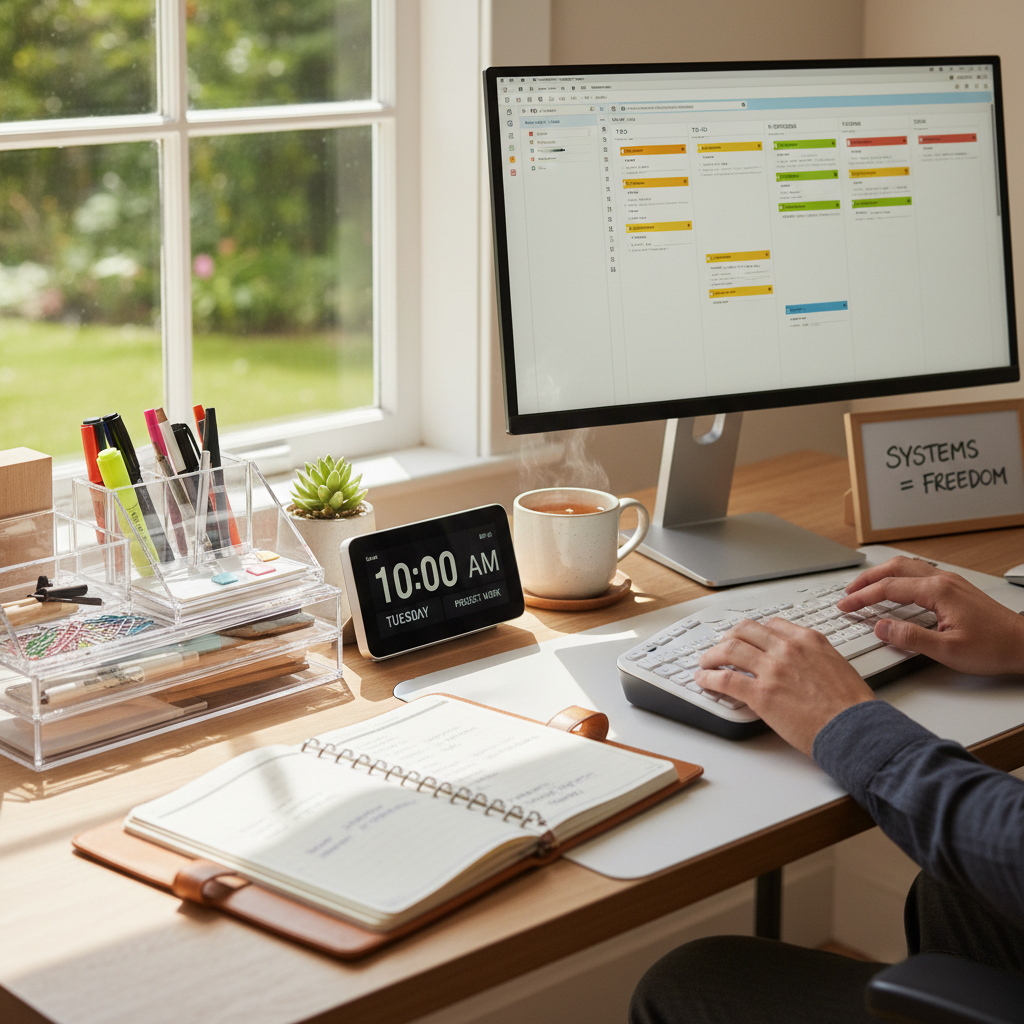
We are all masters of procrastination. We’re skilled at putting off important tasks, filling our days with activities that feel urgent but aren’t actually important. This isn’t a simple character flaw; it’s a systemic problem often linked to the way we structure our days and homes. Procrastination is the thief of time and energy, a habit that, when left unchecked, can lead to stress, reduced productivity, and a general feeling of being overwhelmed. But what if we could flip the script? What if, instead of being reactive, we could become proactive, designing our lives in a way that minimizes procrastination and maximizes our efficiency?
The Hidden Costs of ‘Doing Later’
The habit of putting things off isn’t just about delaying a task; it has a significant ripple effect. It creates a cascade of consequences, both big and small, that chip away at your time, energy, and overall well-being. Think about the seemingly small instances where you put off a task:
- The Delayed Bill Pay: Putting off paying a bill “until later” often results in late fees, stress, and the need to spend time resolving the issue.
- The ‘I’ll Do It Tomorrow’ Declutter: The pile of clothes on the chair, the overflowing inbox, or the scattered items around the house – these things steal your mental space and distract you. This impacts your ability to relax and recharge.
- The Postponed Healthy Habit: “I’ll start exercising next week.” “I’ll eat better starting tomorrow.” Procrastinating on healthy habits can affect your physical and mental health.
These delays add up, compounding over time, leading to significant inefficiencies. They not only consume your time but also contribute to feelings of guilt, anxiety, and a sense of being out of control. The longer you put something off, the more difficult it becomes to start. The initial small task balloons into something overwhelming, and the cycle of procrastination continues. This creates a state of constant firefighting, as you scramble to meet deadlines and address problems.
Common Habits That Fuel Procrastination
Identifying the root causes of procrastination is a critical first step toward breaking free from this cycle. Several common habits and behaviors can contribute to our tendency to delay important tasks:
- Lack of Clear Goals and Prioritization: Without a clear understanding of what needs to be done and in what order, tasks can seem overwhelming, leading to inaction.
- Perfectionism: The fear of not doing something “perfectly” can paralyze you, making you put off tasks until the “right” moment that never comes.
- Poor Time Management: Not knowing how to allocate time effectively or underestimating how long tasks will take is a sure way to fall behind.
- Distraction: The digital age offers many distractions. Notifications, social media, and endless online content can easily pull your attention away from the task at hand.
- Fear of Failure or Success: Sometimes, we avoid tasks because we’re afraid of not succeeding, and sometimes, we avoid them because we’re afraid of the changes success might bring.
These habits become deeply ingrained, almost invisible in our daily routines. We develop coping mechanisms to deal with the stress they create, often involving more procrastination, creating a negative feedback loop. The good news is that these habits can be changed. By understanding the underlying causes of procrastination and implementing simple, smart systems, you can take control of your time and your life.
Building Smart Systems to Outsmart Procrastination
The key to conquering procrastination lies in establishing smart, pre-emptive systems. These systems are designed to make it easier to start tasks, stay focused, and maintain momentum. They are about creating an environment that supports productivity rather than hindering it. Here are some simple, yet effective, systems you can implement immediately:
1. The Pre-Flight Checklist: Morning Edition
Think of this as your “landing checklist” for a smooth takeoff to the day. The night before, prepare everything you’ll need for the morning. This includes:
- Choosing your clothes: Lay out your outfit so you don’t have to waste time in the morning.
- Packing your bag: Pack your briefcase, gym bag, or any other items you’ll need the next day.
- Preparing breakfast: If possible, prepare breakfast the night before (overnight oats, etc.) or set up the coffee maker to start automatically.
- Charge devices: Make sure your phone, tablet, and any other essential devices are fully charged and ready.
In the morning, create a simple checklist of essential tasks to complete before leaving the house. This checklist might include:
- Brushing teeth
- Taking any medication
- Checking your calendar for the day
- Quick tidy up (making the bed, wiping down the counter)
This system removes decision fatigue and minimizes the number of choices you have to make when you wake up, allowing you to begin your day with a sense of control and efficiency. The pre-flight checklist is the first line of defense against procrastination.
2. The Task Triage System
Develop a system for prioritizing tasks. Not everything is equally important, and understanding how to prioritize is vital to avoid feeling overwhelmed. This can be as simple as using the Eisenhower Matrix (urgent/important), or developing a system of your own. The goal is to separate the “must-dos” from the “should-dos.”
- Urgent and Important: Do these immediately.
- Important, but Not Urgent: Schedule these.
- Urgent, but Not Important: Delegate these.
- Neither Urgent nor Important: Eliminate these.
Once you’ve prioritized, break larger tasks into smaller, more manageable steps. This reduces the feeling of overwhelm and makes it easier to get started. Use a calendar, planner, or to-do list app to schedule tasks and set deadlines.
3. The ‘Two-Minute Rule’
This incredibly simple rule is remarkably effective. If a task takes less than two minutes to complete, do it immediately. Don’t put it off. This could be anything from answering an email to putting your shoes away. By tackling these quick tasks instantly, you prevent them from accumulating and adding to your mental burden. The Two-Minute Rule is one of the easiest ways to get small wins and build momentum throughout the day.
4. The Digital Detox Zone
Distractions are procrastination’s best friend. Create designated “digital detox zones” in your home or workspace. These are areas where you avoid using your phone, tablet, or computer. These zones could be your bedroom, dining table, or any other space where you want to focus. Consider:
- Turning off notifications: Silence alerts from social media, email, and other apps.
- Using website blockers: Install apps or browser extensions to block distracting websites during work or study periods.
- Dedicated Focus Time: Schedule specific blocks of time during your day to work without distractions.
By creating a digital-free environment, you reduce the temptation to procrastinate and make it easier to concentrate on the tasks at hand.
5. The ‘Decluttering as You Go’ Method
Clutter breeds procrastination, both physically and mentally. A cluttered environment makes it harder to focus. It also signals your brain that you have a lot of things to “do later.” Commit to decluttering as you go:
- “One-In, One-Out” Rule: For every new item you bring into your home, get rid of one old item.
- Regular Decluttering Sessions: Set aside a few minutes each day or a longer block of time each week to declutter specific areas.
- The “Five-Minute Tidy”: Regularly spend just five minutes tidying up your home or workspace.
This simple system ensures your space stays organized and prevents clutter from accumulating, creating a cleaner and calmer living environment.
6. The ‘Reward System’
Incentivize yourself to complete tasks and break free from procrastination. Set up a reward system for achieving your goals. It could be something simple like:
- Watching an episode of your favorite show after finishing a work project.
- Going for a walk after decluttering your office.
- Enjoying a cup of coffee after completing a challenging task.
Rewards can be a powerful motivator, helping you to build positive associations with completing tasks and making it easier to overcome the urge to procrastinate.
Modern Lifestyle Relevance and Long-Term Benefits
In today’s fast-paced world, the ability to manage your time and energy efficiently is more important than ever. Constant stimulation from technology, increased workloads, and a constant flow of information make it easy to get sidetracked. These smart systems are designed for the modern lifestyle. They are flexible enough to integrate into your existing routines and habits, regardless of your personal preferences or lifestyle.
The long-term benefits of implementing these systems are substantial. You will experience:
- Reduced Stress and Anxiety: By taking control of your time and your environment, you’ll reduce the feeling of being overwhelmed and improve your overall mental well-being.
- Increased Productivity: You’ll get more done in less time, freeing up time for the things you enjoy.
- Improved Focus and Concentration: A clutter-free environment and a well-defined schedule improve focus.
- A Greater Sense of Control: Smart systems will give you a feeling of control, reducing the feeling of being “carried away” by life and a feeling of confidence in your ability to manage your day.
- Better Work-Life Balance: By managing your time and tasks effectively, you can create more space for leisure, family, and personal pursuits.
By investing a little time and effort in creating smart systems, you can experience an improved lifestyle. It’s an investment in your peace of mind and overall happiness.
FAQ: Smart Living & Procrastination
Here are some frequently asked questions (FAQs) about smart living and procrastination, with practical answers to help you get started:
- How do I start implementing these systems when I’m already overwhelmed? Start small. Pick one system, like the Two-Minute Rule or the Pre-Flight Checklist, and focus on mastering it. Once you’ve built momentum, you can add more systems gradually.
- What if I’m not a “morning person?” The Pre-Flight Checklist can be adapted to any time of day. If mornings aren’t your strong suit, focus on preparing for the next day during the evening.
- How do I stay motivated when I’m struggling with procrastination? Break tasks into smaller, achievable steps. Celebrate your progress and reward yourself for completing tasks. Remind yourself of the benefits of overcoming procrastination.
- What if I get distracted even when I try to focus? Identify your biggest distractions (social media, email, etc.) and implement strategies to minimize them. Use website blockers, turn off notifications, and schedule dedicated focus time.
- Can I customize these systems to fit my needs? Absolutely! These are starting points. The key is to find systems that work for you and adapt them as needed.
- How long does it take to see results? The time frame varies. You’ll likely see some immediate positive changes, like reducing small daily annoyances. It may take a few weeks or a month to see significant improvements in your productivity and overall well-being. Consistent application is the most important factor.
- Where can I find more resources on productivity and time management? There are countless books, articles, podcasts, and online courses. Start with reliable resources and focus on implementing the strategies. Josephs Well is a great starting point for efficiency and smart living ideas.
- What if I struggle to stick to a routine? Be patient with yourself. Life happens, and you won’t be perfect. Don’t let slip-ups derail you. Get back on track as soon as possible, and adjust your systems as needed. Consistency is the goal.
By implementing these smart systems and addressing the habits that fuel procrastination, you can create a life of greater efficiency, peace, and control. Take small steps, and celebrate your progress along the way. Remember, it’s not about perfection; it’s about progress.