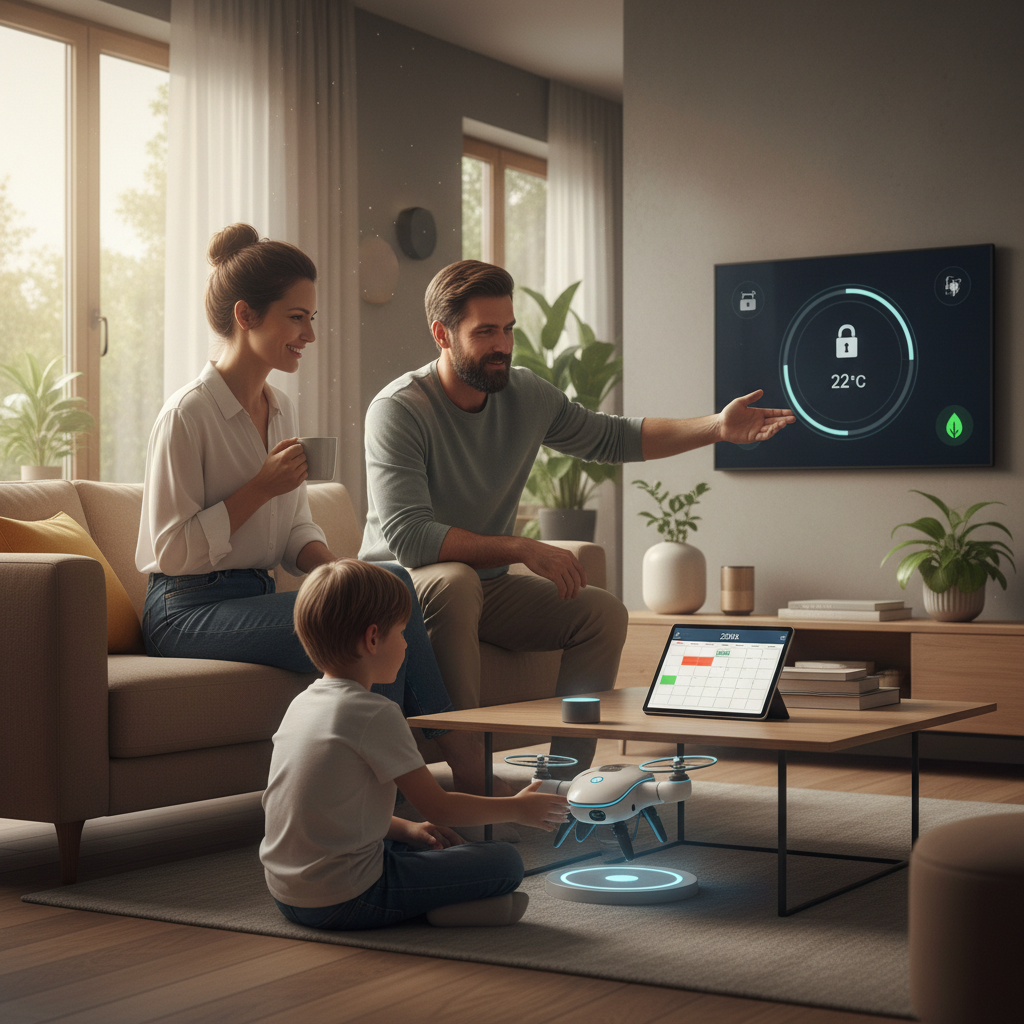
Life in 2026 is fast-paced. We’re juggling careers, relationships, personal goals, and a constant stream of information. In this environment, it’s easy for small inefficiencies to accumulate, leading to wasted time, energy, and even increased risk. However, by adopting smart home habits, we can create a safer, more efficient, and more peaceful living environment. This guide will explore practical changes you can implement immediately to simplify your daily routines.
The Hidden Costs of Inefficiency
Many of us are unaware of the hidden costs associated with everyday habits. For instance, leaving lights on in empty rooms might seem insignificant, but these small actions contribute to higher energy bills over time. Similarly, a cluttered home not only looks untidy but can also pose safety hazards, increasing the risk of accidents.
Common Overlooked Areas
Several areas in our homes are often overlooked when it comes to efficiency and safety:
- Energy Consumption: Leaving appliances on standby, using outdated light bulbs, and inefficient heating/cooling practices.
- Home Security: Not securing doors and windows, inadequate lighting in key areas, and lack of a home security system.
- Daily Routines: Wasted time due to disorganized spaces, inefficient workflows, and lack of automation.
- Safety Hazards: Clutter on stairs and walkways, lack of smoke detectors, and improper storage of hazardous materials.
Unveiling Common Wrong Habits
Identifying common “wrong habits” is the first step toward creating a smarter, more efficient home. Here are some examples:
- Overlooking Appliance Usage: Many people are unaware of how much energy their appliances consume, even when they’re not in use. Some devices use energy in standby mode.
- Ignoring Home Security Weaknesses: Failing to secure doors and windows properly, neglecting to install adequate lighting, and not having a home security system.
- Inefficient Time Management: Not planning your day, getting distracted by emails and social media, and wasting time on unimportant tasks.
- Neglecting Safety Protocols: Not having working smoke detectors, failing to store hazardous materials correctly, and not having an emergency plan.
Simple System-Level Improvements
Implementing system-level improvements can yield significant benefits. Here are some actionable steps:
Embrace Smart Home Technology
Smart home technology can revolutionize daily living by automating tasks and allowing remote control of devices. A few examples:
- Smart Lighting: Automate lights to turn on/off, adjust brightness, and schedule routines.
- Smart Thermostats: Learn your habits and automatically adjust temperatures to save energy.
- Smart Plugs: Eliminate “vampire energy” by turning off devices completely when not in use.
- Smart Security Systems: Monitor your home with cameras, sensors, and alarms.
Optimize Energy Usage
Energy efficiency is a crucial element of smart living. Consider these tips:
- Upgrade to LED Lighting: LED lights are more power-efficient and last longer than traditional bulbs.
- Unplug Electronics: Appliances consume power even when turned off.
- Adjust Thermostat Settings: Adjusting the temperature by a few degrees can make a noticeable difference in energy consumption.
- Use Energy-Efficient Appliances: Look for appliances with high energy-efficiency ratings.
Enhance Home Safety
Prioritizing home safety is paramount. Follow these recommendations:
- Install Smoke and Carbon Monoxide Detectors: Place them on every floor and test them regularly.
- Secure Doors and Windows: Ensure all entry points are properly secured.
- Eliminate Clutter: Clear pathways to prevent trips and falls.
- Properly Store Hazardous Materials: Keep cleaning supplies, medications, and other dangerous items out of reach of children.
Modern Lifestyle Relevance
Smart home habits are particularly relevant in our modern, fast-paced world. The ability to automate tasks, conserve energy, and enhance security provides significant benefits for busy individuals and families.
Benefits for Busy Individuals
- Time Savings: Automated routines free up time for more important activities.
- Convenience: Remote control of devices and appliances offers greater convenience.
- Peace of Mind: Knowing your home is secure and energy-efficient.
Benefits for Families
- Safety: Enhanced security features and reduced hazards create a safer environment.
- Cost Savings: Energy-efficient practices reduce utility bills.
- Simplified Routines: Smart home features help manage schedules and household tasks.
Smart home technology also promotes sustainability. The use of energy-efficient appliances, smart thermostats, and smart plugs contribute to lower energy consumption and a reduced carbon footprint.
Long-Term Peace & Convenience Benefits
The benefits of adopting smart home habits extend beyond immediate convenience. Here’s a look at the long-term advantages:
Improved Well-being
- Reduced Stress: Automating tasks and simplifying routines can reduce stress and mental fatigue.
- Enhanced Security: Knowing your home is protected provides peace of mind.
- Better Health: A safer, more comfortable living environment contributes to overall well-being.
Financial Savings
- Reduced Utility Bills: Energy-efficient practices lead to lower electricity and gas bills.
- Lower Insurance Premiums: Some smart home security systems may qualify for insurance discounts.
- Reduced Maintenance Costs: Smart devices can detect and prevent problems like leaks, potentially saving money on repairs.
FAQ: Smart Home Habits
1. What are the most important smart home devices to start with?
Start with smart lighting, a smart thermostat, and smart plugs. These offer a great balance of convenience, energy savings, and ease of use. Consider smart leak detectors for added home protection.
2. How much money can I save with a smart home?
The amount of savings depends on your current habits and the smart home devices you use. However, you can expect to see reductions in your energy bills and potentially your insurance premiums. The savings can be significant over time.
3. Are smart homes secure?
Smart home security is a priority for manufacturers. Choose reputable brands and regularly update your devices’ software. Use strong passwords and enable two-factor authentication. Always read and understand the privacy policies of any smart home devices you install. Make sure that the devices you select are compatible with each other to reduce security risks.
4. How do I create a smart home routine?
Most smart home platforms offer easy-to-use apps or voice-activated systems to create routines. You define a trigger (e.g., time of day, location) and then specify the actions for your devices (e.g., turn on lights, adjust thermostat). Identify your daily tasks and automate them using the smart home system.
5. What are the energy-saving benefits of smart lighting?
Smart lighting can save energy by automatically turning off lights when no one is in the room. They also use LED bulbs, which consume much less energy than traditional incandescent bulbs. You can also set timers or schedules to ensure lights are not left on unnecessarily.
6. How can smart home technology improve home security?
Smart home security systems can include features like door and window sensors, motion detectors, and security cameras. You can also use smart lighting to simulate occupancy when you’re away from home. These systems can be monitored remotely through mobile applications and alert you to potential security breaches.
7. What are the benefits of a smart thermostat?
Smart thermostats can learn your habits and automatically adjust the temperature to match your lifestyle. This can save you money on your energy bills by reducing unnecessary heating or cooling. Smart thermostats can turn off automatically when you’re not home, or lower/raise the temperature until you come back. You can even set smart thermostats to turn on a bit before you arrive home so that you don’t open the door to a freezing or super-hot home.
8. Can Smart Homes help with a healthy lifestyle?
Smart home systems can assist with a healthy lifestyle in several ways. The ability to easily control lighting and temperature helps create a more comfortable environment. These systems can be integrated with health apps that remind you to take your medication or schedule a workout. For example, you can set the lights to gradually brighten in the morning to reinforce your body’s natural circadian rhythms.
Smart living is not just about technology; it’s about adopting mindful habits that improve your quality of life. By implementing these simple changes, you can create a safer, more efficient, and more enjoyable home environment. To further optimize your living space, consider reading our related article, The Great Air Purifier Illusion: Debunking Common Myths in 2026. Begin today, and enjoy the benefits of a smarter, more streamlined life. For more helpful tips, visit Josephs Well.