It’s a familiar scene, isn’t it? That relentless summer heat, the feeling of the sun just *beaming* through your windows, and the inevitable scramble for the remote. You crank the AC, bracing yourself for the blast of cold air, and the subsequent jump on your electricity bill. For years, this was the norm. We accepted the inefficiency, the fluctuating temperatures, and the constant adjustments as part of the deal. But something has changed. Slowly, quietly, the world of air conditioning is undergoing a transformation, and it’s all thanks to smart technology. I’m talking about smart AC units, and they’re more than just a fancy gadget; they’re a game changer.
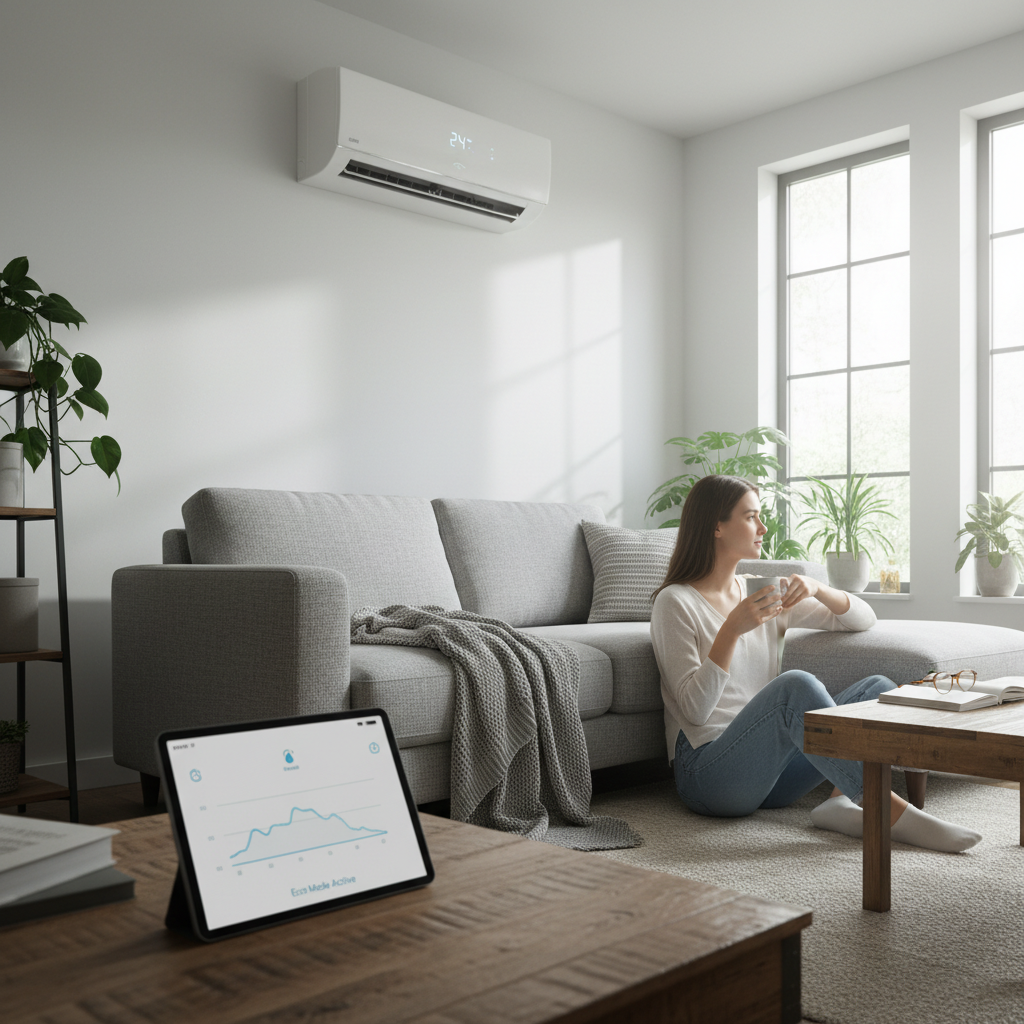
My own journey with smart AC started a few years back. Living in a place with scorching summers, I was desperate for a solution that was more efficient and, frankly, less of a hassle. The old window unit in my guest room was a beast. It guzzled power and offered little in the way of consistent comfort. Then, I took the plunge and got myself a smart AC. The initial investment was a bit more, but the promise of control, energy savings, and a cooler, more comfortable home was too good to pass up. And, after a few years of living with a smart AC, I can honestly say it’s been a revelation. It’s not just about turning the AC on and off from your phone, it’s about a fundamental shift in how we think about home comfort.
Why Smart Air Conditioners Exist (and Why They Matter)
So, why is this happening? Why the sudden surge in smart AC technology? The answer is multifaceted, touching on everything from energy conservation to the evolution of smart home ecosystems.
- Energy Efficiency: This is probably the biggest driver. Traditional AC units are notoriously inefficient, often wasting a significant amount of energy to cool a space. Smart AC units, on the other hand, are designed with efficiency in mind. They use features like variable-speed compressors, which can adjust cooling output based on demand, and smart sensors that can detect temperature and humidity changes. The end result? Lower energy bills and a smaller carbon footprint. In today’s world, that’s not just a nice-to-have; it’s a responsible choice.
- Smart Home Integration: The rise of smart home technology has played a huge role. Smart AC units seamlessly integrate with other smart devices, allowing for a level of automation and control that was previously unimaginable. You can connect your AC to your smart thermostat, your smart lighting, and even your voice assistants. This interconnectedness allows for personalized comfort and automated energy management.
- Convenience and Control: Let’s face it, we all love convenience. Smart AC units offer unparalleled control. You can adjust the temperature from anywhere with an internet connection, set schedules, and create custom cooling profiles. This is particularly useful for people with busy lifestyles or unpredictable schedules. Coming home to a perfectly cooled house after a long day? Priceless.
- Data-Driven Insights: Many smart AC units collect data on your energy usage and cooling habits. This data can be used to optimize performance, identify potential problems, and make informed decisions about your energy consumption. Some units even provide recommendations on how to save money on your energy bill.
The Misunderstandings & Misuses: Common Pitfalls with Smart AC
Like any new technology, smart AC units aren’t without their downsides. Many people fall into traps that negate the benefits of having a smart AC. Let’s look at some common pitfalls:
- Over-reliance on Automation: It’s tempting to set up a “set it and forget it” schedule, but this can lead to inefficiencies. For instance, if you set your AC to cool the house even when no one is home, you’re wasting energy. It’s better to use automation in a smart way, considering your actual needs and habits.
- Ignoring Maintenance: Smart technology doesn’t negate the need for regular maintenance. You still need to clean or replace filters, check for leaks, and ensure your unit is running smoothly. Neglecting maintenance can lead to reduced efficiency, poor air quality, and even premature failure of your unit.
- Misunderstanding Smart Features: Smart AC units come with a wealth of features, but many people don’t fully understand them. For example, some units have “geofencing,” which uses your phone’s location to automatically turn on the AC when you’re approaching home. Others have “sleep modes” that adjust the temperature overnight. Not utilizing these features is a missed opportunity.
- Privacy Concerns: Smart devices collect data, and that includes smart AC units. While manufacturers claim to protect user privacy, there’s always a risk of data breaches. It’s important to be aware of the data your unit collects and to take steps to protect your privacy. Using strong passwords and regularly updating your unit’s software are good starting points.
- Not Considering the Whole System: A smart AC is just one part of your home’s cooling system. If your home is poorly insulated or has leaky windows, your smart AC will struggle to keep up. It’s important to address these issues to maximize the effectiveness of your smart AC.
Smart Usage & Maintenance: Get the Most Out of Your Smart AC
So, how do you use a smart AC effectively? Here’s how to integrate the unit into your home to ensure optimal performance, longevity, and peace of mind:
- Smart Scheduling: Don’t let your AC run all day. Use the scheduling feature to set different temperatures for different times of day. For example, you can set the temperature higher when you’re away from home and lower when you’re sleeping. Some units even learn your habits and adjust the schedule automatically.
- Embrace Geofencing: If your unit has geofencing, use it. It’s a convenient way to ensure your home is cool when you arrive, without wasting energy when you’re away.
- Monitor Your Energy Usage: Pay attention to the data your smart AC provides. Many units track your energy consumption and provide insights into your cooling habits. This information can help you identify areas where you can save energy.
- Regular Filter Maintenance: This is crucial for air quality and efficiency. Clean or replace your filters regularly, as recommended by the manufacturer. A dirty filter restricts airflow, which reduces cooling performance and forces the unit to work harder.
- Professional Tune-Ups: Schedule a professional tune-up at least once a year. A qualified technician can clean the unit’s internal components, check for leaks, and ensure it’s operating efficiently.
- Optimize Your Home’s Insulation: A well-insulated home is essential for energy efficiency. Make sure your home is properly insulated, especially in the attic and walls. This will help your smart AC cool your home more effectively and reduce your energy bills.
- Seal Air Leaks: Seal any air leaks around windows and doors. These leaks can let in hot air, forcing your AC to work harder. You can use weatherstripping or caulk to seal these leaks.
- Consider Smart Thermostat Integration: If your smart AC doesn’t have a built-in thermostat, consider integrating it with a smart thermostat. This will give you even more control over your home’s temperature and allow you to create complex cooling schedules.
2025–2026 Relevance: Staying Ahead of the Curve
In 2026, the smart AC market is dynamic. Here’s what’s trending and how you can stay ahead:
- AI-Powered Cooling: AI is becoming more prevalent. Smart ACs are incorporating machine learning algorithms to learn your preferences, predict your cooling needs, and optimize energy consumption. These systems can even automatically adjust the temperature based on the weather forecast.
- Improved Integration: Expect more seamless integration with other smart home devices. Your AC will become an integral part of your smart home ecosystem, responding to your voice commands, interacting with your smart lighting, and working in harmony with your smart thermostat.
- Focus on Sustainability: The emphasis on sustainability will continue. Manufacturers are developing more energy-efficient AC units, using eco-friendly refrigerants, and incorporating features like solar panel compatibility.
- Enhanced Air Quality Features: Many smart AC units now include advanced air purification systems, which remove allergens, pollutants, and bacteria from the air. This is especially important for people with allergies or respiratory issues.
- Remote Diagnostics and Support: Smart AC units are becoming easier to maintain. Many units now offer remote diagnostics, which allow technicians to diagnose problems remotely. This can save you time and money on service calls.
Future-Proof Advice: What Truly Matters
The tech landscape is always evolving. Here’s how to make smart AC decisions that will benefit you for years:
- Focus on Energy Efficiency: Always prioritize energy efficiency when choosing a smart AC. Look for units with high SEER (Seasonal Energy Efficiency Ratio) ratings and features like variable-speed compressors.
- Choose Open Standards: Opt for smart AC units that support open standards. This will allow your unit to integrate seamlessly with other smart home devices, regardless of the brand.
- Consider Your Home’s Needs: The best smart AC for you depends on your home’s size, layout, and climate. Don’t be swayed by features you don’t need.
- Prioritize Reliability: Read reviews and choose a reputable brand with a proven track record. You don’t want to invest in a smart AC that breaks down after a year or two.
- Invest in Professional Installation: While some smart AC units are easy to install, it’s often best to have them installed by a professional. This will ensure that the unit is installed correctly and that it operates at peak efficiency.
- Stay Informed: Keep up with the latest trends in smart AC technology. Read reviews, follow tech blogs, and talk to experts. The more you know, the better equipped you’ll be to make informed decisions.
- Embrace the Ecosystem: Think beyond the AC unit. Consider how it will fit into your overall smart home ecosystem. Will it integrate with your smart thermostat, your smart lighting, and your voice assistants? The more integrated your smart home is, the better it will work for you. Smart Living Secrets: Safety, Efficiency, and Simple Systems for a Harmonious Home is a great source to learn about creating a harmonious smart home.
Frequently Asked Questions (FAQ)
Here are some of the most common questions about smart AC units:
- Are smart AC units worth the investment? Yes, in most cases. While they cost more upfront, the energy savings, convenience, and improved comfort often outweigh the cost.
- How do I choose the right smart AC for my home? Consider the size of your home, your climate, and your budget. Read reviews and compare features.
- How much energy can I save with a smart AC? The amount of energy you save depends on your habits and the features of your unit. However, many users report saving 15–20% on their energy bills.
- Are smart AC units secure? Smart AC units, like all connected devices, are vulnerable to cyberattacks. Take steps to protect your privacy, such as using strong passwords and regularly updating your unit’s software.
- Do I need to replace my existing AC to get a smart AC? Not necessarily. Some smart AC units are designed to be retrofitted to existing systems. You can also add smart features to a window AC unit with a smart plug.
- Can I control my smart AC with my voice? Yes, most smart AC units are compatible with voice assistants like Amazon Alexa and Google Assistant.
- How long do smart AC units last? The lifespan of a smart AC unit is similar to that of a traditional unit, typically 10–15 years, with proper maintenance.
- What are the best brands of smart AC units? Leading brands include, but are not limited to, offerings from companies such as: Carrier, LG, and Samsung. Research what options are available in your area.
Smart AC technology has moved from a novelty to a practical solution for homeowners seeking comfort, energy savings, and smarter living. By understanding the technology, avoiding common pitfalls, and embracing smart usage habits, you can transform your home’s cooling experience. The revolution is here, and it’s time to embrace the cool.
For more home tech tips and advice, visit Josephs Well.