It’s 10:30 PM. You’ve had a long day. You’re in bed, finally ready to sleep. But before you close your eyes, what do you do? Most of us, without even thinking, reach for our phones. A quick scroll through social media. A few texts. Maybe an episode of your favorite show. Sound familiar?
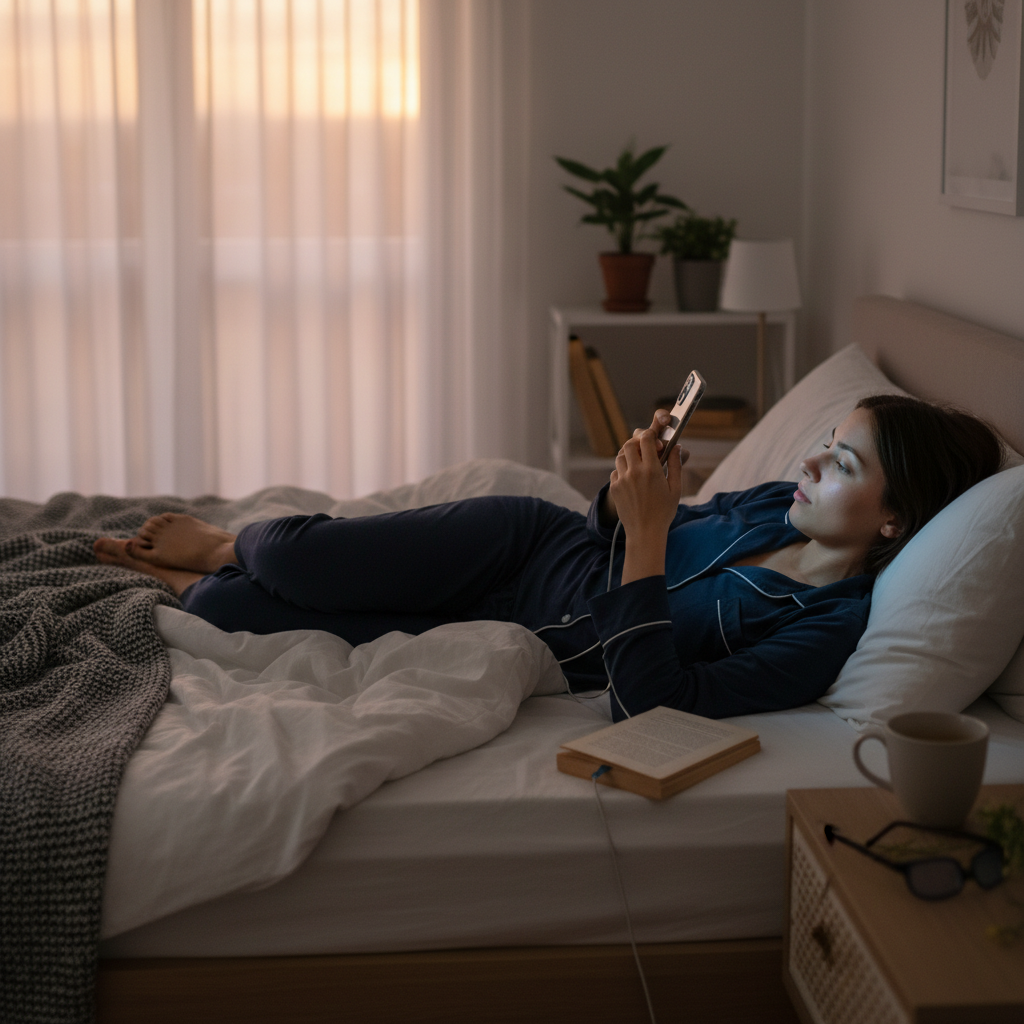
This seemingly harmless habit has become a nightly ritual for millions. But what if this seemingly innocent pre-sleep routine is quietly messing with our sleep? And, as a result, affecting everything from our focus to our overall well-being?
Why Did This Become So Normal?
Think back. When did it become normal to bring a glowing screen into our bedrooms? It wasn’t always this way. For generations, the bedroom was a sanctuary for rest. A place to disconnect. Now, it’s an extension of the always-on world. Several factors have fueled this shift:
* **Ubiquitous Tech:** Smartphones have become indispensable. They’re our calendars, our news sources, our entertainment centers, and our connection to the world. It’s natural to want to keep them close, even at bedtime.
* **Instant Gratification:** Social media, streaming services, and games offer a constant stream of quick dopamine hits. It’s an easy way to unwind, at least in the short term.
* **The “Fear of Missing Out” (FOMO):** The internet never sleeps. The worry of missing a crucial message, a viral video, or a breaking news story keeps us tethered to our devices.
This combination has created a perfect storm. Our phones, designed to be engaging, are now competing with our need for rest.
The Hidden Effects: Focus, Time, and Routines
The impact of late-night phone use goes far beyond just feeling tired in the morning. Here’s a glimpse at the unseen consequences:
* **Focus Frazzled:** Studies show a direct link between screen time and decreased cognitive function. The constant influx of information, the quick shifts between apps, and the stimulating content all contribute to a fragmented focus. This can make it harder to concentrate at work or school, and even impact your ability to enjoy simple tasks.
* **Time Thief:** How much time do you *really* spend on your phone each night? It’s often more than we realize. What starts as a quick check can easily turn into an hour or more of scrolling. That’s an hour less of sleep, an hour less for hobbies, or an hour less to connect with loved ones.
* **Routine Ruined:** Our bodies thrive on routine. A consistent bedtime helps regulate our internal clock, making it easier to fall asleep and wake up feeling refreshed. Late-night phone use disrupts this routine. The blue light emitted by screens, for instance, interferes with melatonin production, the hormone that regulates sleep. This can lead to insomnia, making it harder to fall and stay asleep.
The Common Mistakes We Repeat
Breaking bad habits is hard, and we’re all prone to missteps. Here are a few common mistakes to watch out for:
* **Ignoring the Warning Signs:** Do you consistently wake up tired, even after what seems like a full night’s sleep? Are you finding it harder to concentrate during the day? These are clear indicators that your sleep is suffering.
* **”Just One More” Syndrome:** We tell ourselves we’ll only check our phone for a few minutes, but those minutes quickly turn into an hour.
* **Blaming Everything Else:** It’s easy to blame stress, work, or other factors for poor sleep. But often, the phone is a major contributing factor.
Simple Habit Shifts That Can Make a Difference
You don’t need to go cold turkey and ditch your phone completely (unless you want to!). Here are some realistic steps you can take to reclaim your sleep:
* **Create a “No-Phone Zone” in Your Bedroom:** Charge your phone in another room. If you use your phone as an alarm, consider getting a separate alarm clock.
* **Set a “Curfew” for Your Phone:** An hour or two before bed, put your phone away. Use this time to read a book, meditate, or chat with a partner.
* **Use the “Do Not Disturb” Feature:** Silence notifications and calls during your sleep hours.
* **Embrace Digital Wellbeing Tools:** Many phones have built-in features (like those found in iOS 26 and Android 16) that track your usage and set limits. Consider exploring apps designed to help manage screen time.
* **Prioritize Sleep Hygiene:** Create a relaxing bedtime routine. Dim the lights, take a warm bath, and avoid caffeine and alcohol before bed.
By making a few small changes, you can significantly improve your sleep and, consequently, your overall well-being.
Remember, if you’re looking for help with your smart home, you might find some useful tips in this related article: Smart Homes and Smart Spending: How to Make Your Appliances Work for You (and Save Money!). It’s all about finding a balance that works for you.
Modern Relevance (2025–2026 Apps & Devices)
The digital landscape is constantly evolving, and apps and devices are always upgrading. Here are a few things to consider in 2026:
* **Digital Wellbeing Apps:** Apps like Opal and ActionDash are becoming increasingly sophisticated, offering detailed analytics and personalized recommendations for managing your screen time.
* **AI-Powered Tools:** Artificial intelligence is being integrated into everything, including apps designed to help with focus and productivity. AI is being used in apps such as ChatGPT, a tool that helps with everyday tasks.
* **Built-in Features:** Both Apple and Android continue to enhance their built-in digital well-being features. Taking advantage of these features is a good starting point before exploring other options.
* **Smart Devices:** With the rise of smart home technology, it’s easier than ever to create a sleep-friendly environment. Smart lighting systems can dim automatically at bedtime, while smart speakers can play relaxing sounds.
FAQ: Your Phone and Your Sleep
Here are some common questions about phone use and sleep:
**1. How does blue light affect sleep?**
Blue light emitted from phone screens suppresses the production of melatonin, a hormone that regulates the sleep-wake cycle. This makes it harder to fall asleep and can disrupt your natural sleep patterns.
**2. Is it okay to sleep with my phone next to my bed?**
It’s generally not recommended. The constant temptation to check your phone, the blue light exposure, and the potential for notifications to wake you up can all disrupt sleep.
**3. What are some good alternatives to using my phone before bed?**
Reading, listening to calming music, meditation, or spending time with loved ones are all excellent alternatives.
**4. Are there any apps that can help me manage my phone use?**
Yes! Apps like Opal, ActionDash, and the built-in digital wellbeing tools on your phone can help you track your usage and set limits.
**5. Can phone use affect my mental health?**
Yes. Excessive screen time, including phone use, has been linked to increased rates of depression, anxiety, and poor decision-making.
**6. How much screen time is too much before bed?**
Experts recommend avoiding screen time for at least an hour before bed.
**7. What about listening to a podcast or audiobook on my phone before bed?**
While less disruptive than scrolling or watching videos, even audio content can be stimulating. It’s best to choose calming content and set a timer to avoid falling asleep with your phone still playing.
**8. Does using “night mode” or “dark mode” on my phone help?**
Yes, these features reduce the amount of blue light emitted by your screen, which can help minimize sleep disruption. But they don’t eliminate the problem entirely.
The Balanced Ending
It’s easy to get caught up in the extremes. We’re bombarded with messages about digital detoxes and complete disconnection. But the reality is, our phones are here to stay.
The goal isn’t necessarily to eliminate phone use entirely, but to find a healthy balance. It’s about being mindful of your habits, understanding the potential consequences, and making small adjustments that can make a big difference.
By reclaiming your bedtime and prioritizing sleep, you’re not just improving your rest. You’re also setting yourself up for a more focused, productive, and enjoyable day.
If you are interested in exploring other topics, please visit Josephs Well.