It’s a familiar scene: You’re staring into your fridge, trying to figure out what to make for dinner. The usual suspects are there – a wilting head of lettuce, some questionable leftovers, and a few forgotten condiments. But in 2026, things are a little different. Your smart fridge chimes in, “Hey, the milk’s about to expire, and I see some chicken in the freezer. How about that recipe for lemon herb chicken you saved?” You didn’t even have to open the door.
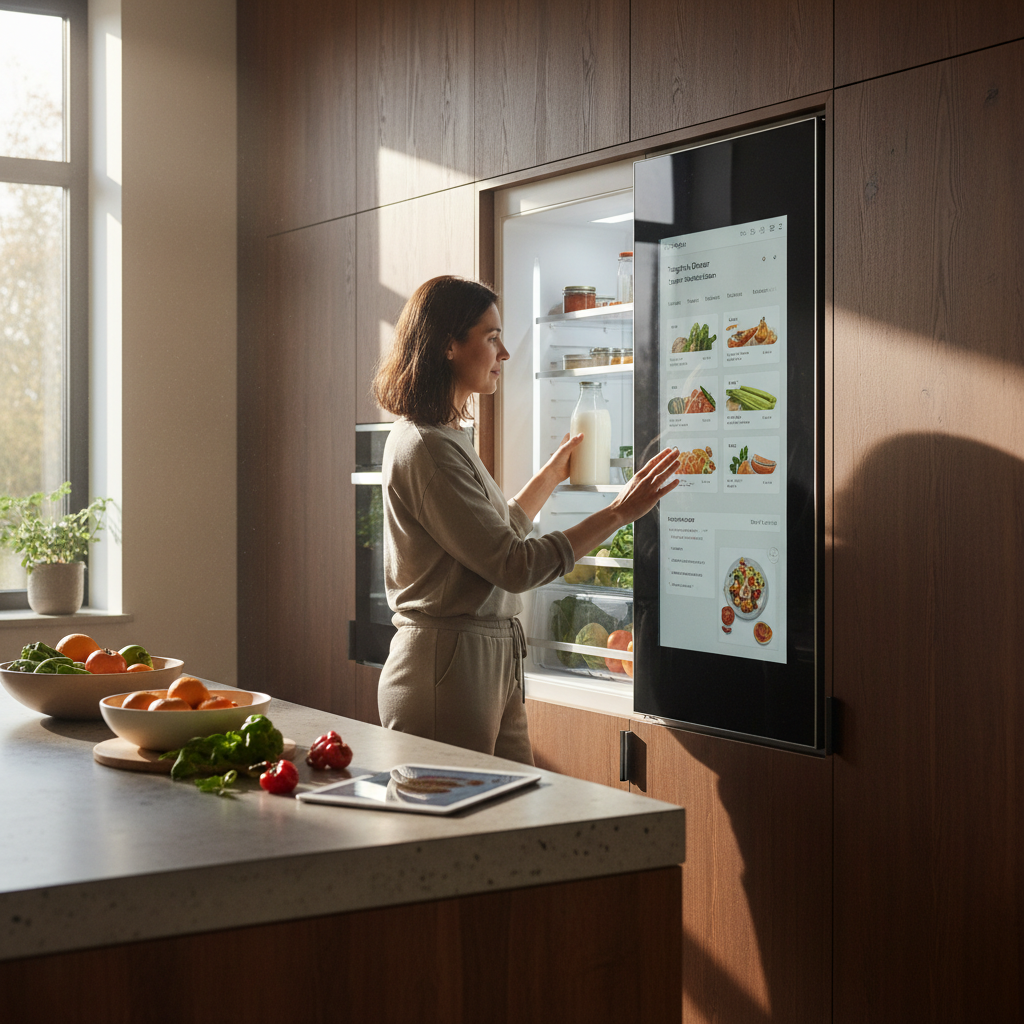
Smart refrigerators have moved from a futuristic fantasy to a practical reality. They promise to streamline your kitchen life, reduce food waste, and even suggest recipes. But like any tech upgrade, there’s a learning curve and some potential pitfalls. Let’s dive into the world of smart fridges, how to use them wisely, and what to expect in the years to come.
What’s So “Smart” About a Smart Fridge?
Forget the basic models. Today’s smart refrigerators are packed with features, offering a level of convenience and control that would have seemed impossible just a few years ago. Here’s a quick rundown of what makes them “smart”:
- Wi-Fi Connectivity: This is the backbone. Your fridge connects to your home network, allowing you to access its features through a smartphone app.
- Touchscreen Displays: Many models have built-in screens, allowing you to view the fridge’s contents, browse recipes, watch videos, or leave notes for your family.
- Internal Cameras: These cameras let you see what’s inside the fridge without opening the door, perfect for grocery shopping.
- Inventory Management: Some fridges can track expiration dates, create shopping lists, and even order groceries for you.
- Voice Control: Integration with voice assistants like Alexa or Google Assistant allows for hands-free operation.
- Energy Efficiency: Many smart fridges are designed to be energy-efficient, saving you money on your electricity bill.
The Misconceptions and the Realities
Smart fridges sound amazing, right? But the reality isn’t always as smooth as the marketing hype. Here’s a look at some common misconceptions and what you should know:
- Misconception: Smart fridges will completely eliminate food waste.
Reality: They can *help* reduce waste by tracking expiration dates and suggesting recipes, but they can’t magically make you eat your leftovers. You still need to be mindful of what you have and plan your meals. - Misconception: Smart fridges are plug-and-play and require no maintenance.
Reality: Like any appliance, smart fridges need regular maintenance, including software updates and cleaning. Ignoring this can lead to problems. - Misconception: Smart fridges are perfect for everyone.
Reality: They’re a great fit for tech-savvy individuals and busy families, but they may not be worth the investment for those who prefer simplicity or are concerned about privacy.
Common Problems and How to Avoid Them
While smart fridges offer many advantages, they can also present some challenges. Being aware of these issues can help you avoid headaches down the line:
- Wi-Fi Connectivity Issues: This is a common complaint. If your fridge can’t connect to the internet, you lose access to many of its smart features.
- Solution: Ensure your Wi-Fi router is close to the fridge, and that the app is updated. Consider a mesh network for larger homes.
- Software Glitches: Like any computer, smart fridges can experience software bugs, leading to malfunctions.
- Solution: Keep your fridge’s software updated. If problems persist, contact the manufacturer for support.
- Touchscreen Problems: The touchscreen may freeze or become unresponsive.
- Solution: Try restarting the fridge. If the problem continues, you might need to contact a technician.
- Sensor Malfunctions: Sensors can fail, leading to inaccurate temperature readings and potential food spoilage.
- Solution: Regularly check the temperature settings and calibrate the sensors if necessary.
- Higher Costs: Smart fridges typically cost more than traditional models.
- Solution: Consider your budget and whether the added features are worth the extra expense.
- Cybersecurity Risks: Any internet-connected device is vulnerable to hacking.
- Solution: Secure your home Wi-Fi network and keep your fridge’s software updated.
Smart Usage and Maintenance Habits: Keeping Your Fridge in Top Shape
Taking good care of your smart fridge is essential to getting the most out of it and extending its lifespan. Here are some smart usage and maintenance habits to adopt:
- Regular Software Updates: Manufacturers release updates to fix bugs and improve performance. Enable automatic updates if possible.
- Clean Regularly: Wipe down the inside and outside of your fridge with a vinegar/water solution or warm water with dish soap. Use parchment paper to line the shelves to catch spills.
- Check the Door Seals: Make sure the door seals are tight and in good condition. Replace them if necessary.
- Clean the Condenser Coils: These coils help circulate cool air. Clean them every 3–6 months with a coil brush or vacuum.
- Optimal Temperature Settings: Maintain the right temperatures to keep food fresh. Set the freezer to 0°F (-17.8°C) and the refrigerator to 35–38°F (1.6–3.3°C).
- Monitor Energy Usage: Keep an eye on your energy consumption to identify any inefficiencies.
- Use the App: Familiarize yourself with your fridge’s app. This is where you’ll control many of its features.
- Protect Against Power Surges: Consider using a surge protector to protect your fridge from electrical damage.
Future-Proofing Your Smart Fridge: What Matters in the Long Run
The tech world moves fast. Here’s how to ensure your smart fridge remains relevant for years to come:
- Focus on the Essentials: Don’t get caught up in features you won’t use. Prioritize reliability, energy efficiency, and a user-friendly interface.
- Look for Integration: Choose a fridge that integrates with other smart home devices you own or plan to purchase.
- Consider Longevity: Research the brand’s reputation for quality and customer service. Check for readily available replacement parts.
- Prioritize Security: Ensure the fridge has robust security features and a good track record for software updates.
- Embrace AI: Keep an eye on fridges with AI-powered features, such as those that can learn your habits and optimize performance.
For more insights into smart home technology, check out Smart Homes and Energy Savings in 2026: Beyond the Gadgets on Josephs Well.
Frequently Asked Questions
Here are some common questions about smart fridges:
- Are smart fridges worth the extra cost?
That depends on your needs and budget. If you value convenience, enjoy tech, and want to reduce food waste, a smart fridge could be a worthwhile investment. If you prefer simplicity or are on a tight budget, a traditional model might be a better choice.
- How often should I clean my smart fridge?
Wipe down spills as they happen, and clean the interior of your fridge at least once a month. Also, clean the condenser coils every 3–6 months.
- What do I do if my smart fridge isn’t connecting to Wi-Fi?
Make sure your router is working and that the fridge is within range. Restart both the fridge and the router. Also, ensure the app is up to date.
- How can I protect my smart fridge from hackers?
Secure your home Wi-Fi network with a strong password. Keep your fridge’s software updated and be cautious about clicking suspicious links.
- What are the best smart fridge brands in 2026?
Samsung and LG are consistently at the forefront of smart fridge innovation, but other brands like GE and Bosch also offer excellent models. Research specific models and read reviews before making a purchase.
- Can a smart fridge save me money on my grocery bill?
Possibly. Features like inventory tracking and recipe suggestions can help you reduce food waste, potentially saving you money. However, a smart fridge alone won’t magically lower your grocery bill; you still need to be mindful of your shopping habits.
- What happens if the power goes out?
Smart fridges, like all refrigerators, will keep food cold for a limited time after a power outage. The exact time depends on the model and how full the fridge is. Try to minimize how often you open the doors during an outage.
Conclusion
The smart fridge has arrived, and it’s here to stay. With its array of features and the promise of a more streamlined kitchen, it’s easy to see why these appliances are becoming increasingly popular. However, it’s important to approach this technology with a clear understanding of its benefits and potential drawbacks. By choosing wisely, practicing smart usage and maintenance, and staying informed about the latest innovations, you can ensure that your smart fridge remains a valuable and enjoyable part of your home for years to come.