Imagine your ideal morning. You wake up refreshed, the sun gently streaming through the window. You effortlessly find your keys, wallet, and phone, grab a healthy breakfast, and head out the door feeling calm and in control. This isn’t just a fantasy; it’s a realistic possibility when you master the art of decluttering and streamlining your living space.
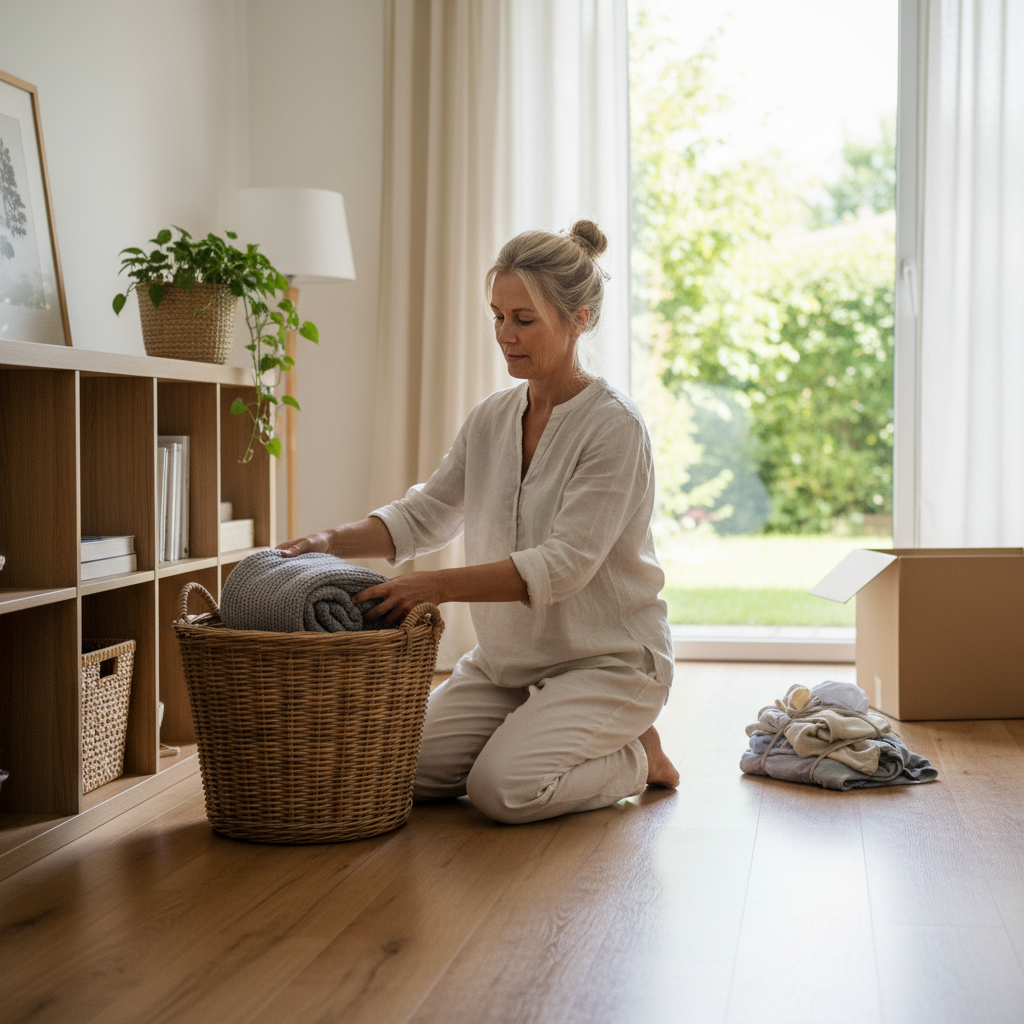
Most of us underestimate the profound impact our physical surroundings have on our mental and emotional well-being, not to mention our daily efficiency. Clutter isn’t just about things; it’s about the mental load it creates, the time wasted searching for items, and the potential safety hazards it introduces. This article delves into the hidden costs of clutter, offering practical strategies to reclaim your space, your time, and your peace of mind.
The Morning Mayhem: A Common Scenario
Let’s paint a picture of a typical morning in a cluttered home. You wake up late, already feeling stressed. You stumble out of bed, only to trip over a stray shoe. You frantically search for your keys, which are buried under a pile of mail and miscellaneous items on the kitchen counter. Breakfast is a rushed affair, eaten while juggling your phone and a overflowing inbox. You finally dash out the door, late and frazzled, already behind for the day.
Sound familiar? This seemingly innocuous morning routine is a symptom of a larger problem: a cluttered home that dictates your day. It’s a breeding ground for inefficiency, anxiety, and a constant sense of being overwhelmed. The irony is that we often accept this chaos as “normal,” failing to recognize the cumulative negative impact it has on our lives.
The Hidden Costs: What You Might Not Realize
The consequences of living in a cluttered environment go far beyond a messy appearance. Here’s a breakdown of the hidden costs that often go unnoticed:
- Time Theft: How much time do you spend searching for misplaced items each day? Think about it: keys, wallets, phones, documents. These minutes add up, stealing valuable hours that could be spent on more enjoyable or productive activities.
- Mental Fatigue: A cluttered space overloads your senses. Your brain is constantly processing visual information, leading to mental fatigue and making it harder to focus, make decisions, and think clearly.
- Increased Stress and Anxiety: Clutter can create a feeling of being out of control, which triggers stress hormones. This constant low-level stress can contribute to anxiety, irritability, and even depression.
- Reduced Productivity: A cluttered workspace or home office makes it difficult to concentrate. Distractions abound, leading to procrastination and a decrease in your overall productivity.
- Safety Hazards: Clutter can create tripping hazards, block pathways, and make it difficult to evacuate your home in an emergency. In extreme cases, it can even contribute to fire hazards.
- Financial Waste: How many items do you buy and then never use because you can’t find them? How many duplicates do you own? Clutter leads to unnecessary spending and a feeling of financial strain.
- Damaged Relationships: Clutter can create conflict within a household, particularly between couples or family members with different standards of cleanliness.
Common Wrong Habits That Fuel the Clutter Cycle
Breaking free from the clutter cycle requires recognizing the habits that contribute to the problem. Here are some of the most common culprits:
- Holding on to sentimental items: While it’s natural to cherish memories, clinging to every item with sentimental value can quickly lead to an overwhelming accumulation of possessions.
- Buying impulsively: Advertising and marketing often encourage us to buy things we don’t need, leading to a surplus of unused items that quickly become clutter.
- Procrastinating decluttering: Putting off the task of decluttering allows clutter to accumulate and become even more daunting.
- Lack of a designated space for everything: Without a designated spot for each item, things get misplaced and end up creating clutter.
- Failing to discard broken or unused items: Holding on to items that are broken, damaged, or no longer used is a common habit that contributes to clutter.
- Not implementing a “one in, one out” rule: Constantly bringing new items into the home without removing old ones leads to an inevitable build-up of clutter.
- Storing things “just in case”: This mindset encourages keeping items that may be useful “someday,” leading to a hoarding mentality and excessive clutter.
Simple System-Level Improvements: Your Path to a Clutter-Free Life
The good news is that breaking free from the clutter cycle is achievable. The key lies in implementing simple, system-level improvements that make decluttering and staying organized a sustainable part of your lifestyle.
- Start Small, Think Big: Don’t try to declutter your entire home in one weekend. Choose a small area, like a drawer or a shelf, and focus on clearing it out completely. This will give you a sense of accomplishment and motivate you to tackle larger areas.
- The 20/20 Rule: If an item can be replaced for under $20 and in under 20 minutes, let it go. This helps you avoid agonizing over decisions about inexpensive items.
- The Four-Box Method: Gather four boxes or containers. Label them “Keep,” “Donate,” “Trash,” and “Relocate.” As you sort through your belongings, place each item in the appropriate box.
- Declutter Regularly: Make decluttering a regular part of your routine. Dedicate 15-30 minutes each week to decluttering a specific area of your home. This prevents clutter from accumulating and makes the process less overwhelming.
- Implement a “One In, One Out” Policy: For every new item you bring into your home, get rid of something similar. This prevents the constant build-up of possessions.
- Create Designated Spaces: Give everything in your home a designated place. This makes it easier to put things away and prevents items from being misplaced.
- Optimize Storage Solutions: Invest in storage solutions that maximize space and keep your belongings organized. Consider shelves, drawers, baskets, and containers that fit your needs.
- Embrace Digital Organization: Digitize documents, photos, and other important papers to reduce paper clutter. Use cloud storage services to back up your digital files.
- Develop a Daily “Clean-Up” Routine: Spend a few minutes each day tidying up your home. This could include wiping down surfaces, putting away dishes, and making your bed.
- Be Honest with Yourself: Be realistic about what you need and what you actually use. Don’t be afraid to let go of items that no longer serve you.
Modern Lifestyle Relevance: Why Clutter Matters More Than Ever
In today’s fast-paced world, where we are constantly bombarded with information and stimuli, the benefits of a clutter-free environment are more significant than ever. Here’s why streamlining your space is particularly relevant in the modern age:
- Increased Digital Demands: We spend more time than ever in front of screens. A clear, uncluttered physical environment provides a much-needed respite from the digital overload, allowing you to relax and recharge.
- Rise of Remote Work: With the increasing popularity of remote work, more people are working from home. A dedicated, organized workspace is essential for productivity and maintaining a healthy work-life balance.
- The Urge to Simplify: As people become increasingly aware of the negative impact of consumerism and overconsumption, there is a growing desire to simplify their lives. Decluttering is a key step in this process.
- The Importance of Mental Wellness: Mental health is a top priority for many people today. A clutter-free environment can significantly reduce stress and improve overall well-being.
- Need for Efficient Use of Time: In a world where time is a precious commodity, the ability to find things quickly and avoid wasting time searching for misplaced items is incredibly valuable.
Long-Term Peace and Convenience Benefits
The benefits of decluttering extend far beyond a tidy home. Here are some of the long-term rewards you can expect:
- Reduced Stress and Anxiety: A clutter-free home creates a sense of calm and order, which helps reduce stress and anxiety.
- Improved Mood and Energy Levels: When your environment is organized and peaceful, you’ll likely experience an improvement in your mood and energy levels.
- Increased Productivity and Focus: A clear and organized space makes it easier to concentrate on tasks and be more productive.
- More Time for What Matters: By eliminating the time wasted searching for items and tidying up clutter, you’ll have more time to pursue your passions, spend time with loved ones, and enjoy life.
- Enhanced Home Safety: A clutter-free home is a safer home. You’ll reduce the risk of accidents and improve your ability to evacuate in an emergency.
- Greater Sense of Control: Decluttering gives you a sense of control over your environment and, by extension, your life.
- Positive Impact on Relationships: A harmonious and organized home environment can foster better communication and relationships within the household.
FAQ: Your Questions Answered
Here are some frequently asked questions about decluttering and streamlining your living space:
- How often should I declutter? Aim for a regular decluttering routine, such as 15-30 minutes per week. This prevents clutter from accumulating and makes the process more manageable. You can also do a larger decluttering session a few times a year.
- Where do I start when I feel overwhelmed? Start with a small, manageable area, like a drawer or a shelf. This will give you a sense of accomplishment and motivate you to tackle larger areas.
- What if I’m holding on to sentimental items? Be selective about what you keep. Choose items that truly hold significant meaning. Consider taking photos of items you can’t bear to part with.
- How do I stay motivated during the decluttering process? Break the task into smaller steps. Reward yourself when you complete a task. Focus on the positive benefits of a clutter-free life.
- What if I’m living with someone who is resistant to decluttering? Communicate your needs and boundaries. Focus on decluttering your own space. Set a positive example, and hopefully, they will follow suit.
- What are some good storage solutions? Use shelves, drawers, baskets, containers, and organizers. Vertical storage is your friend!
- How can I prevent clutter from returning? Implement a “one in, one out” policy. Create designated spaces for everything. Make decluttering a regular part of your routine.
- Is there a specific time of year that is best for decluttering? There isn’t a single “best” time, but many people find the beginning of a new season (spring cleaning) or before a major holiday a good time to declutter. However, the best time is simply whenever you feel motivated and ready to start!
Decluttering and streamlining your living space is not just about aesthetics; it’s about reclaiming your time, your mental clarity, and your peace of mind. By implementing simple system-level improvements and addressing the underlying habits that fuel clutter, you can create a home that supports your well-being and enhances your daily life. It’s a journey, not a destination, so start small, be patient, and enjoy the process. A simpler, safer, and more efficient life awaits.
If you’re looking for more ways to optimize your daily routine, consider exploring articles on The Endless Scroll and other tools that can help improve your daily life. You can also visit Josephs Well for more helpful information.