It’s a familiar scene: you wake up, rush through your morning routine, and somehow, by the time you’re settling into your workday, you feel like you’ve already lost the battle. Time seems to slip through your fingers, leaving you with a nagging sense of inefficiency. But what if the culprits aren’t the big, obvious time-wasters? What if the real enemies of your day are the small, overlooked habits that slowly erode your precious time and energy? This guide will help you identify those hidden time thieves and implement simple system-level improvements to reclaim your day and cultivate long-term peace and convenience.
The Morning Inefficiency Avalanche
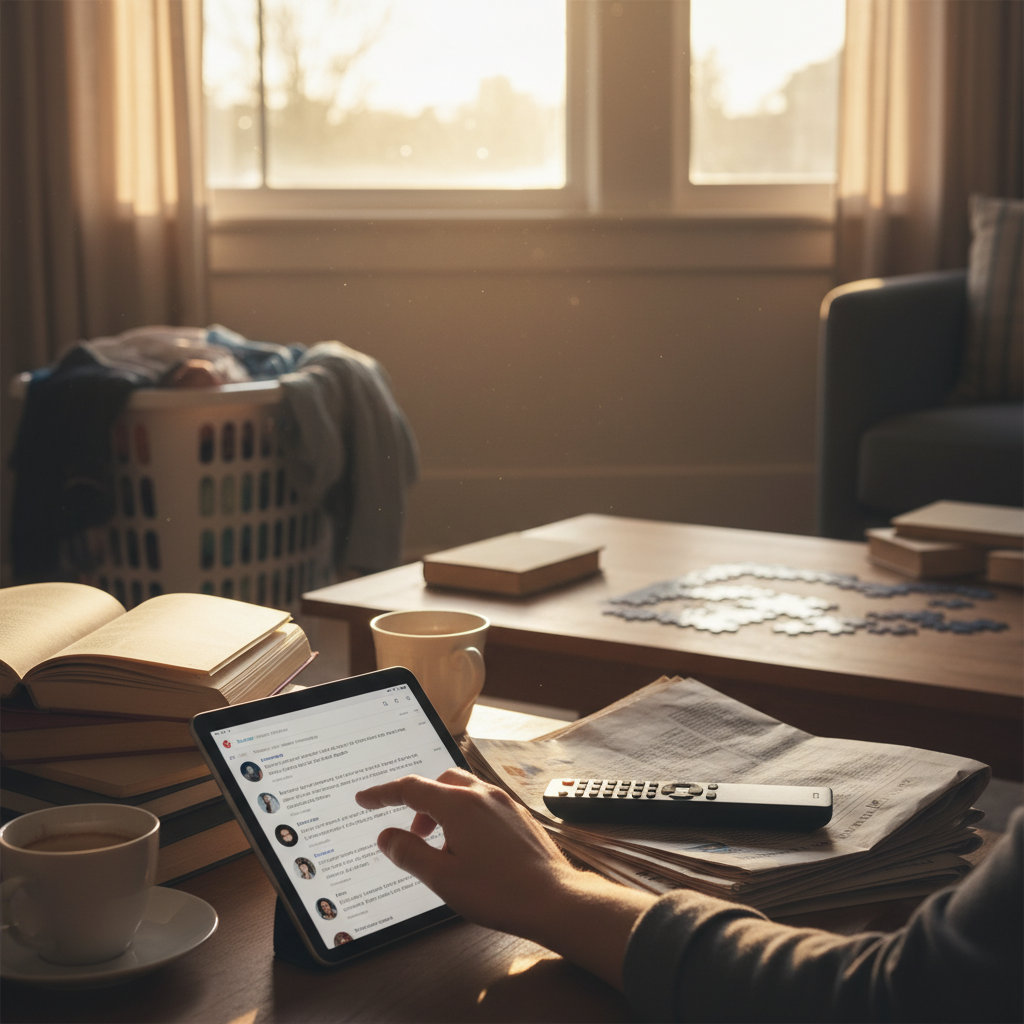
Let’s paint a picture of a typical morning. You wake up, hit the snooze button (a small act, right?), then you scroll through social media while still in bed. You gulp down your coffee, skip breakfast, and then rush to get ready. You might also struggle to find your keys, and eventually head out the door slightly late. On your way to work, you encounter traffic, which adds to your stress and decreases productivity. Individually, these actions don’t seem like much. But combined, they create an avalanche of inefficiency that sets a negative tone for the rest of your day. You’re constantly playing catch-up, feeling stressed, and lacking the energy to tackle your most important tasks.
The Snooze Button’s Deceptive Allure
The snooze button is a classic example of a seemingly harmless habit with significant consequences. While tempting, repeatedly hitting snooze disrupts your sleep cycle and leaves you feeling groggy and unmotivated. Those extra few minutes of sleep are often of poor quality, making you feel worse than if you’d simply gotten up when your alarm first sounded.
Digital Distractions: The Social Media Trap
In the digital age, social media and the internet have become significant time-sinks. A quick check of your feeds can easily turn into a half-hour or more of scrolling, leaving you feeling drained and unfocused. Social media use in the morning can lead to decreased creativity.
The Midday Momentum Killers
The inefficiencies don’t stop in the morning. They can persist throughout the day, creating a cascade of lost time and energy.
Email Overload and Constant Checking
Constantly checking your email is another productivity killer. Each time a new notification pops up, you’re interrupting your focus and context switching. This not only wastes time but also drains your mental energy.
The Multitasking Myth
Many people mistakenly believe that multitasking is an efficient way to get more done. However, research shows that the human brain isn’t designed to handle multiple tasks simultaneously. What appears to be multitasking is actually rapid task-switching, which impairs focus and increases the time it takes to complete tasks.
The Evening Erosion: Winding Down Well
Just as the morning sets the tone for the day, your evening habits set the stage for the next one. Poor evening habits can impact your quality of sleep and lead to daytime inefficiency.
The Blue Light Blues
The blue light emitted from smartphones, tablets, and computers can interfere with your body’s natural sleep cycle. Using these devices before bed can suppress melatonin production, making it harder to fall asleep and stay asleep.
Poor Planning
Failing to plan for the next day is a missed opportunity to optimize your time and energy. If you don’t know what tasks you’ll be tackling, you’ll be more likely to waste time deciding what to do, or getting bogged down in low-priority activities.
System-Level Improvements for a Smarter Day
The good news is that these time thieves can be defeated. By implementing a few simple system-level improvements, you can reclaim your day, boost your productivity, and reduce stress.
Establish a Consistent Morning Routine
A well-designed morning routine is the cornerstone of a productive day. Instead of rushing, create a routine that prioritizes your well-being and sets you up for success.
Here are a few things to include:
* **Prioritize Sleep:** Aim for 7-8 hours of quality sleep each night.
* **Hydrate First:** Drink a full glass of water immediately after waking up to rehydrate your body.
* **Avoid the Snooze Button:** Get up when your alarm first sounds.
* **Limit Digital Distractions:** Delay checking your phone or social media until you’ve completed a few key tasks.
* **Fuel Your Body:** Eat a nutritious breakfast to provide sustained energy.
* **Incorporate Movement:** Even a few minutes of stretching or light exercise can boost your energy levels and improve focus.
A consistent morning routine provides a sense of control and gives you positive momentum for the rest of the day.
Optimize Your Workspace
A cluttered workspace can be a significant source of stress and inefficiency. Take the time to declutter and organize your desk and surrounding area. A clean, organized workspace promotes better focus and reduces wasted time searching for items.
Time Blocking and Task Prioritization
Time blocking involves scheduling specific blocks of time for different activities. This technique helps you allocate your time efficiently and avoid distractions. Each morning, take a few minutes to prioritize your tasks for the day. Identify the most important and urgent tasks and tackle them first.
Mindful Tech Use
Be intentional about your use of technology. Set specific times for checking email and social media, and stick to those schedules. Turn off notifications that aren’t essential. Consider using website blockers or apps like Forest to limit distractions.
Prepare for Tomorrow, Today
The secret to a great morning starts the evening before. Before bed, take a few minutes to:
* **Plan Your Day:** Write down your top priorities for tomorrow.
* **Prepare Your Space:** Lay out your clothes, pack your bag, and organize your workspace so it’s ready to go.
Consider Smart Home Technology
Smart home technology can automate many tasks and enhance efficiency. A smart thermostat can automatically adjust the temperature based on your schedule. Smart plugs can cut off power to devices that aren’t in use, reducing energy waste. You can even get smart appliances like the ones discussed in “The Connected Kitchen: Navigating Smart Appliances in 2026” to streamline your cooking and cleaning.
Long-Term Benefits: Peace, Convenience, and a Simplified Life
By addressing the hidden time thieves in your daily rhythm, you’ll experience several long-term benefits:
* **Increased Productivity:** When you’re no longer constantly playing catch-up, you’ll have more time and energy to accomplish your goals.
* **Reduced Stress:** A well-structured routine creates a sense of control and reduces the mental load of trying to remember everything.
* **Improved Well-being:** Prioritizing sleep, nutrition, and movement contributes to better physical and mental health.
* **More Free Time:** Reclaiming your time means having more opportunities to pursue your interests, spend time with loved ones, and simply relax.
* **Greater Peace of Mind:** Knowing that you’re in control of your day brings a sense of calm and confidence.
The journey toward a more efficient life starts with small changes. By identifying and eliminating the hidden time thieves, you can create a daily rhythm that supports your goals, reduces stress, and empowers you to live a more fulfilling life. For more tips, visit Josephs Well.
Frequently Asked Questions
**1. How do I start building a better daily routine?**
Start small. Choose one or two habits you want to change, and focus on those until they become ingrained. Consistency is key.
**2. How can I avoid the temptation to hit the snooze button?**
Place your alarm clock across the room so you have to get out of bed to turn it off. Alternatively, you can use a wake-up light that gradually increases the light in your room, which can help you wake up more naturally.
**3. How can I reduce distractions from social media?**
Turn off notifications, set time limits, or use website blockers. Try starting your day without checking social media at all.
**4. What are some simple ways to improve my workspace?**
Declutter your desk, organize your files, and keep frequently used items within easy reach.
**5. How much sleep do I really need?**
Most adults need about 7-9 hours of sleep per night.
**6. What are the benefits of a morning routine?**
A well-crafted morning routine sets the stage for a productive day, improves focus, reduces stress, and promotes overall well-being.
**7. How can smart home technology help me be more efficient?**
Smart home technology can automate tasks like adjusting the thermostat and turning off lights, helping you save time and energy.
**8. What should I do if I keep getting off track?**
Don’t be discouraged. Everyone has off days. The key is to get back on track as soon as possible. Reflect on what caused the disruption, adjust your routine if needed, and recommit to your goals.