It’s a Tuesday morning in February, 2026. The alarm blares, you hit snooze one too many times, and now you’re rushing to get ready. Amidst the chaos, you toss a load of laundry into your trusty washing machine, already knowing it will be done before you get back home. This isn’t just a fantasy; it’s the reality for many of us, and it’s only getting better. We’ve come a long way from the days of wringing clothes by hand or lugging them to the laundromat. Today, washing machines are smart, efficient, and surprisingly low-maintenance – if you know how to treat them right. Let’s dive into the world of modern washing machines: how they work, how people misuse them, and how to make them last.
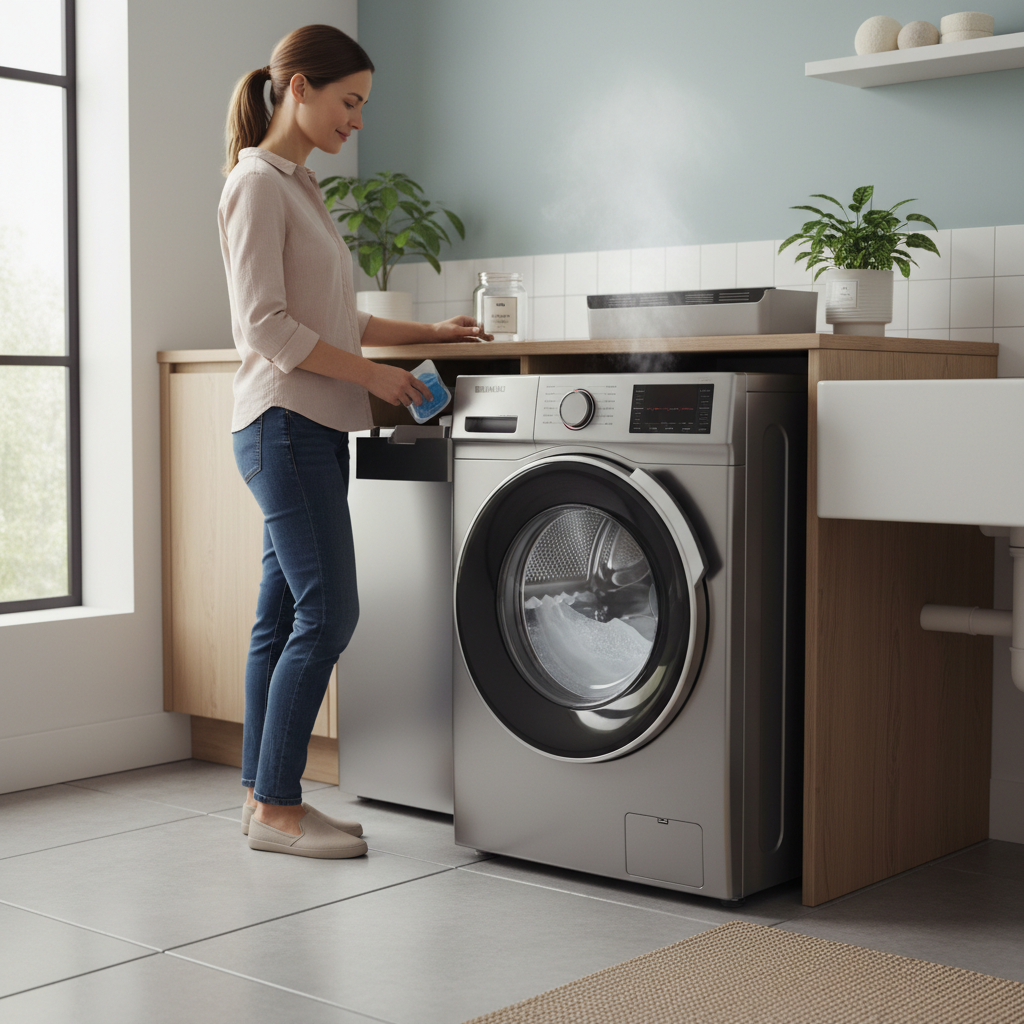
Why the Washing Machine Matters Now More Than Ever
The washing machine is no longer a luxury; it’s a necessity. In our busy lives, the ability to quickly and efficiently clean clothes is essential. Modern machines offer:
* **Time Savings**: Automated cycles and quick wash options fit into any schedule.
* **Water and Energy Efficiency**: Eco-friendly models use less water and energy, saving you money and helping the environment.
* **Convenience**: Smart features like remote control and automatic detergent dispensing make laundry a breeze.
How People Misuse Their Washing Machines
Even the best technology can fail if misused. Here are common mistakes that can shorten the lifespan of your machine:
* **Overloading**: Cramming too many clothes into the machine puts stress on the motor and bearings.
* **Using Too Much Detergent**: Excess detergent leaves residue that builds up, causing clogs and reducing cleaning efficiency.
* **Ignoring Maintenance**: Failing to clean the machine regularly leads to mold, mildew, and reduced performance.
* **Ignoring Strange Noises**: Unusual sounds often indicate a problem that should be addressed immediately.
* **Using the Wrong Cycles**: Using hot water for delicate fabrics or heavy-duty cycles for light loads can damage clothes and the machine.
Common Problems and How to Avoid Them
Knowing the common issues helps you take preventative measures:
* **Leaks**: Often caused by worn hoses, loose connections, or damaged seals. Regularly inspect hoses and connections.
* **Mold and Mildew**: This thrives in damp environments. Always leave the door open after washing to allow the machine to air out.
* **Clogs**: Detergent buildup and trapped debris can clog pumps and drain lines. Clean the detergent dispenser drawer regularly.
* **Unbalanced Loads**: This can cause the machine to shake excessively and damage internal components. Distribute clothes evenly.
* **Electrical Issues**: These can range from a blown fuse to more serious problems with the motor. Always unplug the machine before attempting any electrical repairs.
Smart Usage and Maintenance Habits for 2026
Here’s how to get the most out of your washing machine in 2026 and beyond:
* **Read the Manual**: Sounds basic, but the manual provides specific instructions for your machine.
* **Measure Detergent Carefully**: Use the recommended amount. Consider using detergent pods or strips for precise dosing.
* **Clean Regularly**: Run a cleaning cycle monthly with a washing machine cleaner or a mixture of vinegar and baking soda.
* **Inspect and Clean the Door Seal**: Wipe down the rubber seal after each use to prevent mold.
* **Check Hoses and Connections**: Inspect hoses for cracks or leaks and ensure connections are tight.
* **Balance Loads**: Distribute clothes evenly to prevent the machine from shaking excessively.
* **Use the Right Cycle**: Choose the appropriate cycle for the fabric type and level of soiling.
* **Consider Smart Features**: If your machine has smart features, use them! They can optimize cycles and provide alerts.
* **Upgrade to a Smart Model (If You Haven’t Already)**: Smart washing machines can optimize cycles based on fabric type and load size. Some models can even sense detergent levels and automatically reorder supplies.
2025–2026 Relevance: What’s New in the World of Washing Machines
In 2026, the home appliance market is booming. The global smart home appliances market is projected to reach $216 billion in 2026. This growth means more innovation and better features in your washing machine:
* **AI-Powered Optimization**: Machines learn your washing habits and adjust cycles accordingly.
* **Water Recycling Systems**: Some machines reuse water from previous cycles, conserving water.
* **Low-Temperature Washing**: New detergents and technologies enable effective cleaning at lower temperatures, saving energy.
* **Connectivity**: Many machines connect to your home Wi-Fi, allowing remote control and alerts.
Future-Proof Advice: What Actually Matters
As technology evolves, some things remain constant. To future-proof your washing machine experience:
* **Focus on Efficiency**: Look for models with high energy and water efficiency ratings.
* **Prioritize Durability**: Choose machines from reputable brands with good warranties.
* **Embrace Connectivity (But Don’t Overdo It)**: Smart features can be helpful, but don’t overpay for features you won’t use.
* **Maintenance is Key**: No matter how smart your machine is, regular maintenance is crucial for longevity.
* **Consider a Mesh Network**: Ensure your smart devices, including your washing machine, have a strong Wi-Fi signal. A strong Wi-Fi signal is essential for all your smart home devices to work effectively. Consider setting up a mesh network for better coverage.
Frequently Asked Questions
Here are some common questions about washing machine maintenance and usage:
**Q: How often should I clean my washing machine?**
A: Run a cleaning cycle monthly and wipe down the door seal after every few washes.
**Q: What detergent should I use?**
A: Use a high-efficiency (HE) detergent if you have an HE machine. Always use the recommended amount.
**Q: How do I prevent mold and mildew?**
A: Leave the door open after washing to allow the machine to air out.
**Q: What do I do if my machine is leaking?**
A: Inspect the hoses and connections for leaks. If you find a leak, tighten the connection or replace the hose.
**Q: My clothes aren’t getting clean. What’s wrong?**
A: Check your detergent dosage, ensure you’re using the correct cycle, and make sure the machine isn’t overloaded.
**Q: Is it worth buying a smart washing machine?**
A: Smart features can offer convenience and efficiency. If you’re willing to pay extra, they can be a worthwhile investment. However, prioritize efficiency and durability first.
**Q: How can I make my washing machine last longer?**
A: Follow the maintenance tips outlined above, including regular cleaning, correct detergent usage, and promptly addressing any issues.
Conclusion
The washing machine has come a long way, becoming an indispensable part of our homes. By understanding how to use, maintain, and choose the right machine for your needs, you can ensure that it serves you well for years to come. In the ever-evolving world of home technology, the principles of smart usage and regular maintenance will always remain relevant. To make your life even easier, consider integrating smart home technology into your life, especially for energy management. As we move towards a more connected future, the humble washing machine will continue to evolve, making our lives easier, one clean load at a time. For more insights into home efficiency, check out “The Myth of the Always-On Life: Are You *Really* More Productive? (2026 Edition)” to learn more about optimizing your home for both productivity and sustainability. The Myth of the Always-On Life: Are You *Really* More Productive? (2026 Edition)