It’s a familiar scene, isn’t it? You’re in your kitchen, maybe making a quick breakfast before rushing out the door. You glance at your smart refrigerator’s touchscreen, checking the family calendar and seeing what’s for dinner. This seamless integration of technology into our homes is the promise of smart appliances. But what happens when that promise falters? What are the realities of living with smart appliances in 2026?
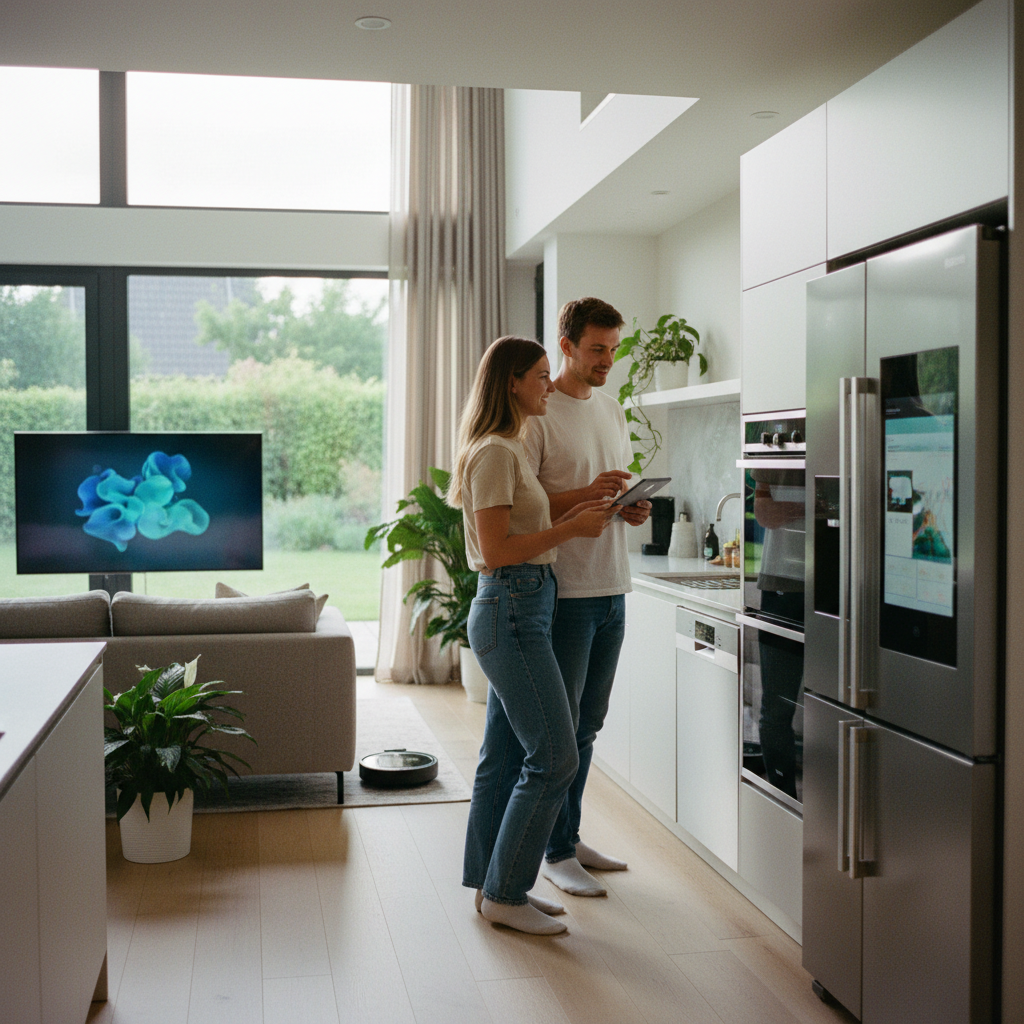
Let’s dive into the world of smart home appliances, exploring their benefits, potential pitfalls, and how to make the most of them for years to come.
Why Smart Appliances? The Allure of a Connected Home
The rise of smart appliances isn’t just a trend; it’s a fundamental shift in how we interact with our homes. These devices, from refrigerators and ovens to washing machines and dishwashers, offer a level of convenience and control that was unimaginable just a few years ago.
Here’s why people are drawn to smart appliances:
* **Convenience:** Remote control, pre-programmed settings, and automated tasks. Imagine starting your washing machine from your office or preheating your oven on your way home.
* **Efficiency:** Many smart appliances are designed with energy-saving features, helping you lower utility bills.
* **Monitoring & Alerts:** Receive notifications about appliance status, maintenance needs, or even food spoilage in your fridge.
* **Integration:** Seamlessly connect your appliances to other smart home devices and voice assistants like Alexa or Google Assistant.
The market for smart appliances is booming. Experts predict the smart home appliances market will be worth USD 192.05 billion in 2026, and is forecast to reach USD 311.44 billion by 2031. That’s a lot of smart homes! But with this growth comes the need for a realistic understanding of what smart appliances can and can’t do.
The Flip Side: Common Issues and Unexpected Problems
The dream of a completely automated, problem-free home is appealing, but smart appliances aren’t always perfect. They rely on complex technology, which can sometimes lead to unexpected issues. Knowing these problems beforehand is key to a positive experience.
Here are some common challenges:
* **Connectivity Problems:** Smart appliances depend on a stable Wi-Fi connection. If your Wi-Fi is spotty, you may experience problems with remote control, notifications, and other smart features.
* **Software Glitches & Updates:** Software bugs can happen. Firmware updates, while often necessary for security and feature improvements, can sometimes introduce new problems or render an appliance unresponsive.
* **App Compatibility & User Errors:** Using the wrong app, outdated phone software, or misinterpreting instructions can lead to connection failures or difficulty controlling the appliance.
* **Sensor Failures:** Sensors monitor temperature, humidity, and other vital functions. If a sensor fails, the appliance may not perform correctly.
* **Shorter Lifespans for Software Support:** While the appliances themselves may have a long lifespan, software support is often much shorter. This can lead to a loss of features and potential security risks.
Smart Habits: Proactive Steps for a Smooth Experience
Don’t let these potential problems scare you away from smart appliances. By adopting smart habits, you can minimize issues and maximize your enjoyment of these devices.
* **Ensure a Strong Wi-Fi Signal:** Place your appliances within range of your router, or consider a Wi-Fi extender if necessary.
* **Keep Software Up-to-Date:** Regularly check for and install firmware updates for your appliances and keep the companion apps on your phone current.
* **Use the Official App:** Always use the manufacturer’s official app for controlling and managing your appliance.
* **Read the Manual:** Familiarize yourself with the appliance’s features and troubleshooting steps.
* **Power Cycle Regularly:** If you encounter issues, try unplugging the appliance for a minute or two to reset it.
* **Clean Sensors:** Regularly clean any sensors, as dust and debris can affect their performance.
* **Consider a Surge Protector:** Protect your investment from power surges.
Maintenance Matters: Extending the Life of Your Appliances
Just like any appliance, smart appliances require regular maintenance to ensure optimal performance and longevity.
Here’s a maintenance checklist:
* **Clean the Condenser Coils:** Dust and dirt can make your refrigerator work harder.
* **Inspect and Clean Sensors:** Keep sensors clear of debris.
* **Follow Manufacturer’s Guidelines:** Adhere to the recommended maintenance schedule outlined in your appliance’s manual.
* **Keep it Clean and Dry:** Prevent malfunctions caused by moisture, mold, or rot.
* **Professional Servicing:** Schedule professional servicing when needed, especially for complex issues.
By following these maintenance tips, you can help ensure your smart appliances serve you well for years to come.
The Future-Ready Home: What to Consider in 2026 and Beyond
As you consider bringing smart appliances into your home, it’s wise to think ahead. The technology is always evolving. Here’s what to keep in mind:
* **Energy Efficiency:** Prioritize appliances with high energy-efficiency ratings. Look for the ENERGY STAR label.
* **Matter Compatibility:** Matter is a new standard for smart home devices, designed to ensure interoperability. Look for appliances that are Matter-compatible to ensure they work seamlessly with other devices in your home.
* **Consider Brand Reputation:** Research brands known for reliability, customer service, and longevity. Bosch, LG, and Samsung are often mentioned in this context.
* **Security:** Ensure your appliances have strong security features and receive regular security updates.
* **Repairability:** Consider the ease of repair and the availability of replacement parts.
* **AI Integration:** Keep an eye out for appliances with AI-powered features, such as predictive maintenance and automated cycle suggestions.
**For further reading about the evolving landscape of home technology, check out this related article: The Phantom Grasp: Why We’re Always Reaching for Our Phones**
FAQs: Your Questions Answered
Here are some common questions about smart appliances:
1. **What if my smart appliance won’t connect to Wi-Fi?**
Start by restarting your router and appliance. Ensure the appliance is within range of your Wi-Fi signal. Reconnect using the brand’s official app and update the appliance’s firmware.
2. **How do I troubleshoot a frozen touchscreen on my smart refrigerator?**
Restart the refrigerator by unplugging it for 30-60 seconds. Check for firmware updates in the app or on the screen. Clean the screen gently.
3. **Why am I not receiving notifications from my smart appliance?**
Check notification settings in the app and on your phone. Ensure the app has background data permissions.
4. **Are smart appliances secure from hackers?**
Smart appliances can be vulnerable. Protect your network with a strong password. Regularly update the firmware on your devices. Consider segmenting your network, isolating smart home devices from more sensitive data.
5. **How can I save money with smart appliances?**
Look for ENERGY STAR-certified models. Use features like off-peak scheduling, load shifting, and energy-saving modes.
6. **What are the best smart appliance brands in 2026?**
Bosch, LG, Samsung, GE Profile, and others are consistently ranked highly for their features, reliability, and innovation.
7. **What should I do if my smart appliance malfunctions and I can’t fix it?**
Consult the manufacturer’s website or contact customer support for troubleshooting. If the appliance is under warranty, contact a service center. For complex issues, it’s best to call in a professional.
Embrace the Smart Home Revolution, Wisely
Smart appliances offer a world of convenience and efficiency, but they require a proactive approach. By understanding their potential issues, embracing smart habits, and prioritizing maintenance, you can make the most of your investment and enjoy the benefits of a connected home. The future of home living is here – and it’s time to navigate it with knowledge and confidence.