Life moves fast. We’re juggling work, family, and everything in between. It’s easy to get caught up in the whirlwind and overlook the small things that can significantly impact our well-being. One area where this is especially true is home safety. It’s not about expensive gadgets or complex security systems; it’s about simple, consistent habits that create a safer, more secure environment for you and your loved ones. Let’s dive into a typical day and see how we can apply smart living principles to enhance safety.
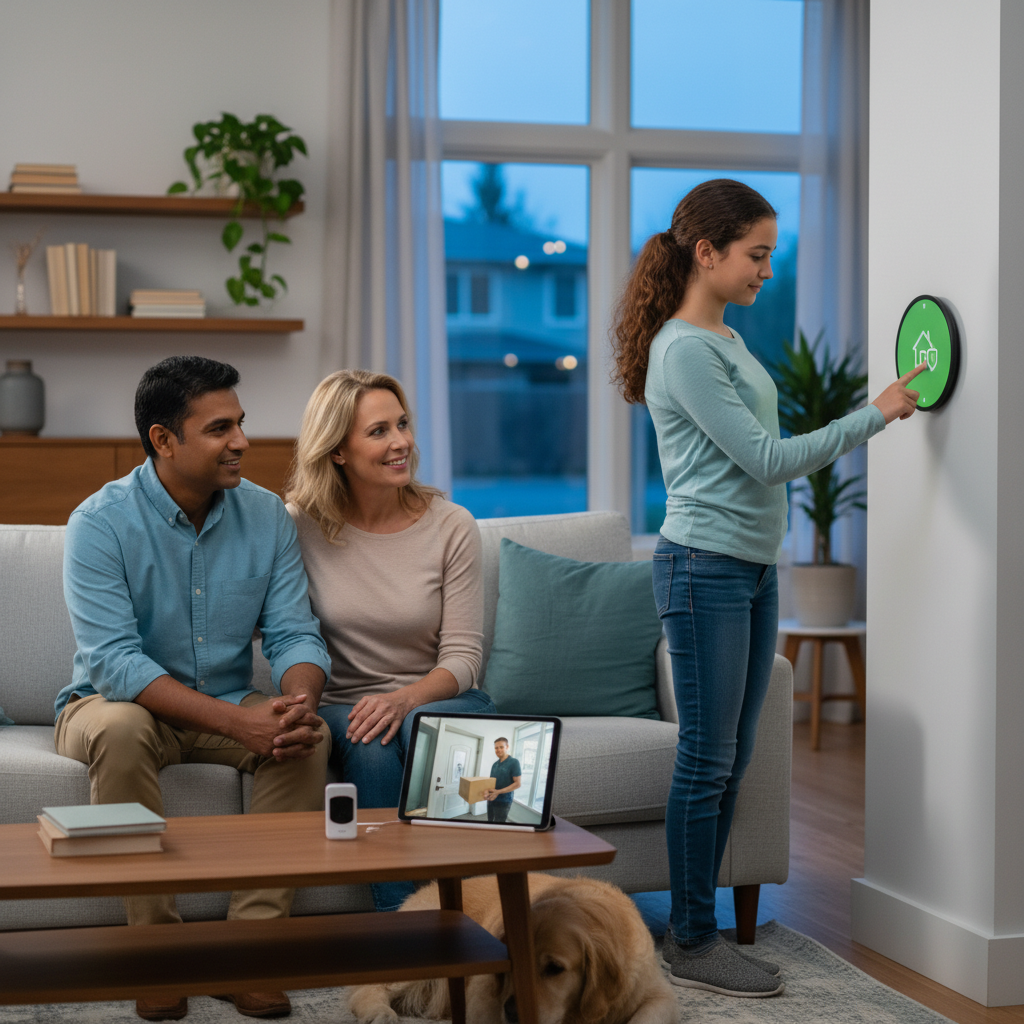
A Day in the Life: The Risky Routine
Imagine your average weekday morning. The alarm blares, you hit snooze (maybe once, maybe twice!), and then it’s a race against the clock. Breakfast is a rushed affair, often involving a quick zap in the microwave or a forgotten pot on the stove. You’re out the door, maybe forgetting to double-check locks or glance at the security system panel.
Later, you return home after a long day. You might leave the security system disarmed, or fail to arm it before bed. These seemingly insignificant actions can have serious consequences. A moment’s distraction while cooking could lead to a kitchen fire. Leaving the front door unlocked creates an easy opportunity for a break-in. These risks are amplified when you have children in the house. As we become accustomed to these rushed moments, we build a routine that lacks safety at its core.
Why We Overlook Home Safety (and the Hidden Costs)
Why do we fall into these patterns? Several factors contribute.
* **Complacency:** We assume “it won’t happen to us.” It’s easy to think that you will always be careful, but mistakes can happen.
* **Time Pressure:** In our busy lives, safety measures can seem like another time-consuming task.
* **Lack of Awareness:** We may not be fully aware of the common hazards in our homes.
* **Overwhelm:** The perceived complexity of home security can be daunting.
The costs of overlooking home safety are far greater than the time saved. There are financial costs (medical bills, property damage), emotional costs (stress, anxiety), and potential physical harm (injuries, even loss of life). Inefficiency is also at play. Consider the time spent dealing with the aftermath of an incident. It is time that could be spent on things we enjoy.
Common Wrong Habits: The Security Saboteurs
Let’s identify the most common habits that undermine home safety:
* **Leaving Doors and Windows Unlocked:** This is an open invitation to burglars.
* **Neglecting Smoke and Carbon Monoxide Detectors:** Failing to test or replace batteries in these crucial devices can be deadly.
* **Overloaded Electrical Outlets:** This is a fire hazard.
* **Storing Dangerous Items within Reach:** Medications, cleaning supplies, and sharp objects should be secured.
* **Ignoring Trip Hazards:** Clutter, loose rugs, and poor lighting can lead to falls.
* **Not having a Fire Escape Plan:** Fires can spread in minutes and you need a plan.
* **Not checking the security system:** Leaving it unarmed or forgetting to arm it.
Breaking these habits is a cornerstone of smart living.
System-Level Improvements: Building a Safer Home
It’s time for action. Here’s a practical system for improving home safety:
1. **Create a Safety Checklist:**
* **Doors and Windows:** Always lock doors and windows when leaving the house and before bed. Consider reinforced doors and window locks for added security.
* **Smoke and CO Detectors:** Install smoke detectors on every level of your home, and outside sleeping areas. Carbon monoxide detectors should be installed near sleeping areas. Test detectors monthly, and replace batteries annually. Replace the entire unit every 10 years.
* **Electrical Safety:** Inspect electrical cords for damage. Avoid overloading outlets.
* **Hazardous Materials:** Store cleaning products, medications, and other potentially dangerous items in locked cabinets or out of reach of children.
* **Fire Safety:** Keep a fire extinguisher in the kitchen and garage. Have a fire escape plan with two ways out of every room. Practice the plan regularly.
* **First Aid Kit:** Keep a well-stocked first aid kit readily accessible.
* **Home Security System:** Make sure it is working, and arm it when you leave. Many modern systems offer remote arming, and monitoring services. The top systems include Vivint, SimpliSafe, ADT, and Ring.
2. **Establish Daily/Weekly Routines:**
* **Morning:** Check locks before leaving. Briefly scan your home for obvious hazards.
* **Evening:** Arm the security system. Double-check all doors and windows.
* **Weekly:** Test smoke detectors. Inspect your home for potential hazards, such as loose wires or clutter.
* **Monthly:** Review your fire escape plan. Check expiration dates on medications and supplies.
3. **Optimize Your Home Environment:**
* **Lighting:** Ensure adequate lighting throughout your home, especially in hallways, stairwells, and outdoor areas. Consider motion-activated lights for added convenience and security.
* **Declutter:** Regularly declutter your home to eliminate trip hazards.
* **Smart Home Technology:** Integrate smart home devices for increased convenience and safety. Smart locks, video doorbells, and security systems can offer peace of mind. Check out The Phone’s Grip: How Small Habits Have Changed Us in a Big Way for more on this.
4. **Educate Everyone:**
* Teach children about fire safety, stranger danger, and the importance of not touching potentially dangerous items.
* Make sure all family members know the location of emergency exits, fire extinguishers, and first aid kits.
* Review the safety checklist and routines with everyone in your household.
Modern Lifestyle Relevance: Staying Safe in the 21st Century
Smart living is all about adapting to the demands of a modern lifestyle. Home safety fits perfectly within this framework. We can use technology to our advantage. Video doorbells allow us to see who’s at the door, even when we’re away. Smart security systems can alert us to potential threats and provide remote control. These tools allow us to create a safer environment with minimal effort. Homeowners and renters alike can use these tools to build a safer home.
The key is to integrate these tools into our existing routines. They should be seamless, not a burden. By making home safety a priority, we can improve our quality of life and create a foundation of peace of mind.
Long-Term Peace and Convenience Benefits: A Life Well-Protected
The benefits of a safe home extend far beyond the immediate. Reduced stress and anxiety are significant benefits. Knowing that you’ve taken proactive measures to protect yourself and your loved ones creates a sense of security that permeates all aspects of your life. Home safety fosters a deeper sense of well-being. It creates a space where you can relax, knowing that you’ve minimized the risks. You are then free to focus on what truly matters: enjoying life with the people you love.
Consider the long-term financial benefits as well. Preventing a fire, burglary, or medical emergency can save you significant money in the long run. Home safety is an investment in your future.
Frequently Asked Questions
Here are some common questions about home safety:
1. **How often should I test my smoke detectors?**
Test smoke detectors monthly and replace batteries annually. Replace the entire unit every 10 years.
2. **What should I do if a fire starts in my home?**
Get out immediately and call 911. Never go back inside for any reason.
3. **How can I prevent falls in my home?**
Ensure good lighting, remove trip hazards like clutter and loose rugs, and install grab bars in bathrooms if needed.
4. **How do I choose a home security system?**
Consider your budget, needs, and preferences. Research different systems, comparing features, costs, and customer reviews.
5. **Where should I store medications?**
Store medications in a locked cabinet, out of reach of children and pets.
6. **What are the best smart home security systems?**
The best systems for 2026 include Vivint, SimpliSafe, ADT, and Ring.
7. **How do I create a fire escape plan?**
Identify two ways out of every room. Designate a meeting spot outside. Practice the plan regularly.
8. **What should I do in case of a gas leak?**
Evacuate the house immediately and call the gas company from a safe distance.
Conclusion: The Path to a Safer, Smarter Home
Home safety isn’t a chore. It’s an investment in your well-being. By adopting smart living principles, you can create a secure and peaceful environment for yourself and your loved ones. The key is consistency, awareness, and integrating these simple habits into your daily routine. By making small changes, you can transform your home into a sanctuary of safety and security. Start today.