It’s a Tuesday evening, and I’m relaxing on the couch. The sun has just dipped below the horizon, painting the sky in gorgeous hues, but inside, things are already getting dim. In the “old days,” this would mean a mad dash for the nearest light switch. Now? A simple voice command, “Alexa, movie time,” transforms the living room. The smart lights dim to a perfect level, the smart TV fires up, and the connected sound system kicks into gear. It’s the kind of effortless transition that makes you realize how far home technology has come. But it wasn’t always this simple.
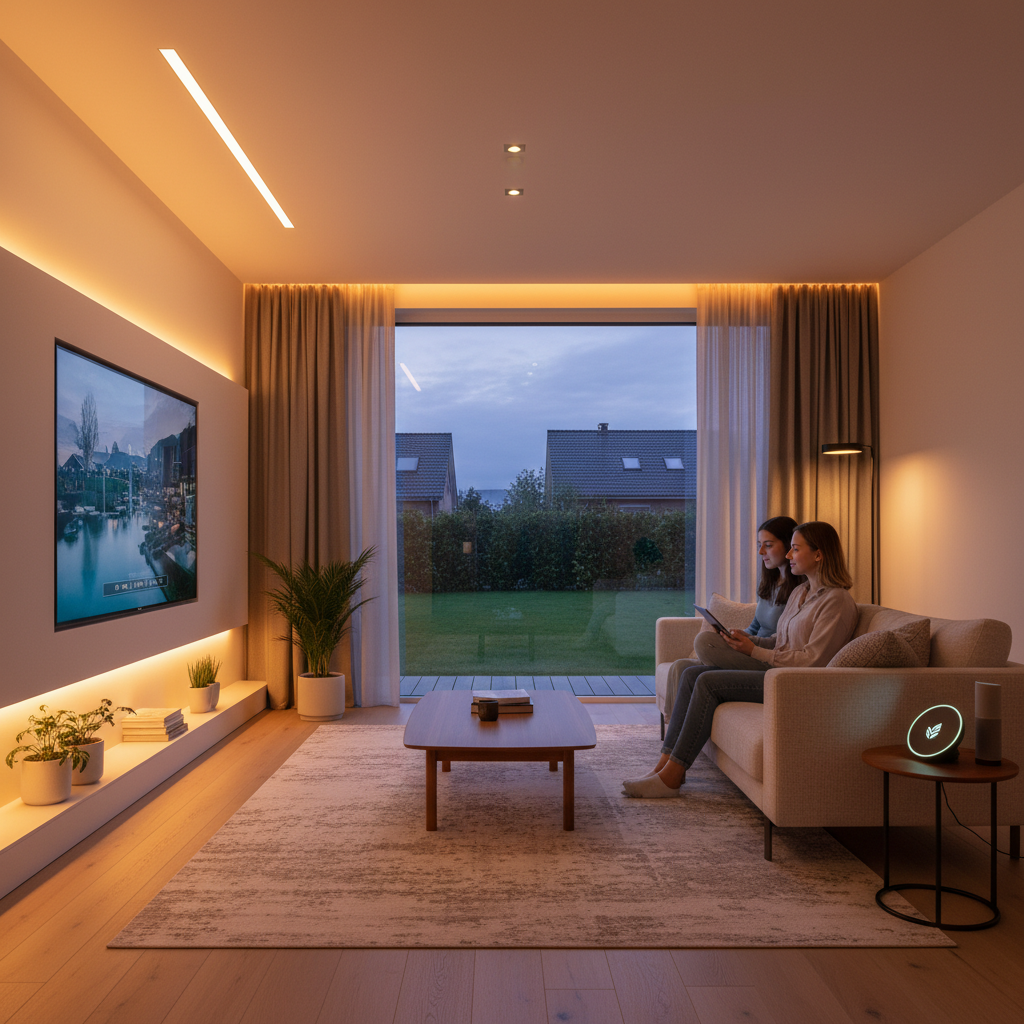
Smart lighting has moved from a novelty to a necessity in many homes. It’s not just about turning lights on and off; it’s about creating an atmosphere, saving energy, and even enhancing home security. But like any tech, it’s easy to get lost in the hype. Let’s take a look at the good, the bad, and the practical of smart lighting in 2026.
Why Smart Lighting Exists and Why You Might Want It
The basic idea behind smart lighting is simple: to give you more control over your lights. But the reasons for wanting that control are multifaceted.
* **Convenience:** The most obvious benefit is convenience. Control your lights from your phone, your voice, or even automatically based on schedules or routines.
* **Energy Savings:** Smart bulbs use LEDs, which consume far less energy than traditional incandescent bulbs. Smart lighting can also automate lights to turn off when a room is unoccupied, leading to significant savings.
* **Customization:** Smart lighting allows you to adjust the color temperature, brightness, and even color of your lights to suit your mood or activity.
* **Security:** Smart lighting can make it look like you’re home even when you’re not, deterring potential intruders.
* **Integration:** Smart lights can integrate with other smart home devices, such as security cameras and speakers, creating a synchronized home automation system.
Common Misunderstandings and How They Trip People Up
Despite its benefits, smart lighting is often misunderstood. Here are some common pitfalls:
* **”It’s too complicated”:** The initial setup can seem daunting. Some people assume they need an IT degree to install smart bulbs. However, the process is usually straightforward, involving screwing in the bulb, downloading an app, and connecting to your Wi-Fi.
* **”It’s too expensive”:** While the upfront cost of smart bulbs is higher than traditional bulbs, the energy savings and longevity of LEDs can offset the cost over time.
* **”It’s not reliable”:** Early smart lighting systems had connectivity issues, but modern systems are much more reliable, especially those using a hub like Philips Hue.
* **”It’s just a gimmick”:** Some people see smart lighting as unnecessary. But once you experience the convenience and customization, it’s hard to go back.
Long-Term Problems to Watch Out For
Like any technology, smart lighting isn’t without its potential problems. Here’s what to keep in mind:
* **Wi-Fi Dependency:** Many smart bulbs rely on a strong Wi-Fi signal. Weak signals can lead to connectivity issues and frustration.
* **Hub Issues:** Some systems require a hub. If the hub fails, your lights won’t work. However, the best systems have robust hubs and reliable performance.
* **Compatibility:** Ensure that your chosen smart bulbs are compatible with your existing smart home ecosystem (e.g., Alexa, Google Home, Apple HomeKit).
* **Firmware Updates:** Like any smart device, smart bulbs need occasional firmware updates. Failing to update can lead to performance issues or security vulnerabilities.
* **Security Vulnerabilities:** As with any connected device, there’s a risk of hacking. Always use strong passwords and keep your system updated.
Smart Usage and Maintenance Habits: Keeping Your Lights Shining Bright
To get the most out of your smart lighting, follow these simple tips:
* **Choose the Right Bulbs:** Consider your needs. Do you want color-changing bulbs, or just dimmable whites? Do you need outdoor-rated bulbs?
* **Ensure Strong Wi-Fi:** If you have Wi-Fi problems, consider a mesh network or Wi-Fi extender.
* **Regular Firmware Updates:** Keep your bulbs and hub updated with the latest firmware.
* **Organize Your Scenes:** Create custom scenes for different activities (movie night, reading, working) to streamline your lighting control.
* **Use Automation:** Set up schedules and routines to automate your lights.
* **Troubleshooting:** If you experience problems, consult the manufacturer’s website or app for troubleshooting tips.
2026 Relevance: What’s New and What Matters
In 2026, smart lighting is more advanced and integrated than ever before. Here’s what to look for:
* **AI-Powered Lighting:** Systems that learn your habits and automatically adjust brightness, color temperature, and even which lights are on.
* **Matter Compatibility:** The Matter protocol is changing the game by making it easier to integrate different smart home devices from different brands.
* **Voice and Gesture Control:** Voice control is now standard, and gesture-based controls are becoming more common.
* **Improved Energy Efficiency:** Even more energy-efficient LEDs and smart controls that optimize energy usage.
* **Health-Focused Features:** Lighting systems that can simulate natural daylight to regulate circadian rhythms and improve sleep quality.
Future-Proof Advice: What Really Matters in the Long Run
To make sure your smart lighting system lasts, here’s some advice for the future:
* **Choose a Reputable Brand:** Brands like Philips Hue are known for reliability, but there are also many other options available, such as LIFX and Govee.
* **Invest in a Hub (If Needed):** While some systems work without a hub, a hub can provide more reliability and features.
* **Prioritize Compatibility:** Make sure your system works with the smart home ecosystem you use (Alexa, Google Home, Apple HomeKit).
* **Focus on Energy Efficiency:** Look for systems that are designed to save energy.
* **Consider Future-Proofing:** Look for systems that support the latest standards, such as Matter, to ensure long-term compatibility.
FAQ: Your Smart Lighting Questions Answered
Here are some frequently asked questions about smart lighting:
**Q: Are smart bulbs worth the extra cost?**
A: Yes, in most cases. While the upfront cost is higher, the energy savings and the convenience factor make them a worthwhile investment.
**Q: Do I need a hub for smart bulbs?**
A: It depends. Some bulbs connect directly to your Wi-Fi, while others require a hub. Hubs often provide more reliability and features.
**Q: What happens if my Wi-Fi goes down?**
A: Your smart lights may not respond to remote commands. However, many smart bulbs will still function as regular lights if you use a traditional light switch.
**Q: How do I troubleshoot smart lighting problems?**
A: First, check the basics: power, Wi-Fi, and bulb installation. Then, try restarting the app and your mobile device. You may also need to reset the bulb or update its firmware.
**Q: Can smart lighting save me money on my electricity bill?**
A: Yes. Smart bulbs use LEDs, which consume far less energy than traditional incandescent bulbs. Smart lighting also enables automation, ensuring lights are only on when needed.
**Q: Are smart lights secure?**
A: Like any connected device, smart lights can be vulnerable to hacking. Use strong passwords, keep your system updated, and be mindful of your network security.
**Q: What is the lifespan of a smart bulb?**
A: Smart LED bulbs typically last for many years, often 15,000 to 25,000 hours, significantly longer than incandescent bulbs.
**Q: Can I integrate smart lighting with my existing home automation system?**
A: Yes. Most smart lighting systems are designed to integrate with popular smart home platforms like Amazon Alexa, Google Home, and Apple HomeKit.
Smart lighting is an investment in your home’s comfort, efficiency, and security. By understanding the technology, avoiding common pitfalls, and following these practical tips, you can enjoy the many benefits of a smarter, brighter home.
If you’re interested in protecting your home in other ways, consider reading about Smart Home Water Leak Detection in 2026: Protecting Your Home from the Unseen Threat. You can also explore more HomeTech topics at Josephs Well.