It’s a Tuesday morning in February, and the familiar hiss of the shower fills my bathroom. As the water warms, I find myself thinking not just about the day ahead, but about the water itself. Where does it come from? What’s in it? And how can I be sure it’s the best it can be for my family? This isn’t just a fleeting thought; it’s a reflection of the quiet revolution happening in homes across the country: the rise of sophisticated, yet user-friendly, water filtration systems.
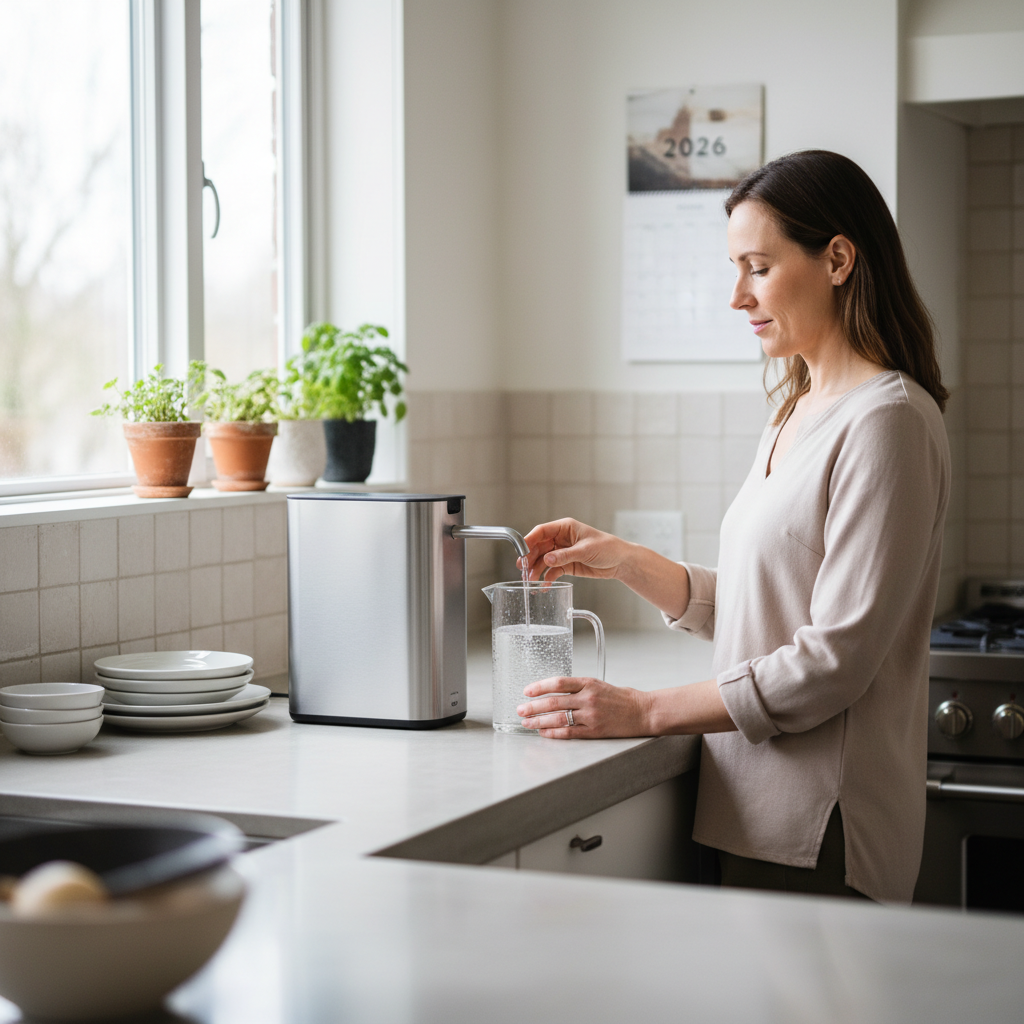
Twenty years ago, a water filter meant a clunky pitcher you had to refill constantly. Today, we’re talking about whole-house systems, smart faucets, and the ability to monitor water quality with a tap on your phone. It’s a journey, and like any tech transformation, there are pitfalls and misunderstandings. So, let’s dive in.
Why Water Filtration Matters More Than Ever
The reasons for upgrading your home’s water quality are more compelling than ever. Public water supplies, while regulated, can still contain contaminants. Aging infrastructure, agricultural runoff, and industrial pollutants can all find their way into our tap water. Moreover, the skin is the body’s largest organ, and we absorb water through our skin while showering.
Beyond the health concerns, filtered water simply tastes better. Think about it: the chlorine added to treat water can leave an unpleasant aftertaste, and hard water can affect the flavor of your coffee and tea. For many, the switch to filtered water is also a conscious choice to reduce plastic waste from bottled water. In 2026, with the growing awareness of environmental concerns, this is a significant factor.
The Common Pitfalls of Water Filtration
Despite the benefits, many homeowners make mistakes that undermine the effectiveness of their filtration systems. Here are the common culprits:
1. Buying the Wrong Filter
Choosing the right filter depends entirely on your water source and the contaminants you’re trying to remove. Some filters are designed to remove chlorine and improve taste, while others tackle heavy metals, sediment, or even pharmaceuticals. Using the wrong filter will be a waste of money. Do your research, and consider a water quality test to understand what’s in your water.
2. Neglecting Maintenance
Water filters need regular maintenance, and neglecting this is a significant mistake. Filters become less effective over time as they trap contaminants. They need to be cleaned or replaced according to the manufacturer’s recommendations. Ignoring these recommendations means your water quality will gradually decline.
* **Filter Replacement:** Most filters need replacing every few months, depending on the type and your water quality. Set a reminder or use a smart filter that alerts you when it’s time for a change.
* **Housing Cleaning:** The filter housing itself should also be cleaned periodically to prevent the buildup of bacteria and other contaminants.
3. Misunderstanding Flow Rate
When installing a whole-house filter, it’s crucial to consider the flow rate. If the filter’s flow rate is too low, it can restrict water pressure throughout your home, leading to weak showers and slow-filling appliances. Ensure the filter’s flow rate matches or exceeds your home’s needs.
4. Expecting Perfection
No single filter removes all contaminants. Understand what your filter is designed to remove and what it won’t. If you have specific concerns, such as lead or PFAS, you might need a specialized system like reverse osmosis.
Smart Water Filtration: The Future is Now
The integration of technology into home water filtration is accelerating. Smart water filters offer several advantages:
* **Real-Time Monitoring:** Sensors can detect contaminants, providing immediate feedback on water quality.
* **Automated Alerts:** Mobile apps can notify you when filters need replacement or when there are issues with your system.
* **Remote Control:** Some systems allow you to control and monitor your filtration from your smartphone.
The market is responding to this. The global smart water filtration market is projected to grow significantly.
What Matters Most: Smart Habits and Future-Proofing
Here’s how to ensure your water filtration system serves you well for years to come:
* **Get Your Water Tested:** Before buying a filter, get a water quality test. This will help you select the right system for your specific needs.
* **Read Reviews and Certifications:** Look for filters certified by organizations like NSF International, which ensure that the filter removes the contaminants it claims to remove.
* **Choose the Right Type of Filter:** Do you need a pitcher filter, a faucet-mounted filter, or a whole-house system? The best choice depends on your needs and budget.
* **Establish a Maintenance Schedule:** Stick to the manufacturer’s recommended maintenance schedule. This will ensure your filter continues to perform optimally.
* **Consider a Whole-House System:** For the best protection and convenience, a whole-house filter is ideal. It treats all the water entering your home.
* **Think About the Future:** Look for systems that are upgradeable and adaptable. As water quality concerns evolve, you may want to add new filtration stages or technologies.
* **Embrace Smart Features:** If you’re buying a new system, consider a smart filter with real-time monitoring and alerts.
Whole-House System Considerations
If you’re considering a whole-house system, keep these additional points in mind:
* **Professional Installation:** While some systems are DIY-friendly, professional installation is often recommended to ensure proper performance and avoid leaks.
* **Plumbing Compatibility:** Make sure the system is compatible with your home’s plumbing.
* **Space Requirements:** Whole-house systems can take up space, so consider where you’ll install it.
* **Flow Rate is Key**: Check that the flow rate of the filter will accommodate your household usage.
The Long-Term Benefits: Beyond the Kitchen Sink
The benefits of water filtration extend far beyond better-tasting water at the kitchen sink.
* **Appliance Longevity:** Filtered water prevents scale buildup and corrosion in appliances like water heaters, dishwashers, and washing machines, extending their lifespan.
* **Healthier Skin and Hair:** Removing chlorine and other contaminants can improve the health of your skin and hair.
* **Reduced Exposure to Harmful Chemicals:** A whole-house filter reduces your overall exposure to contaminants in the water you use for bathing, showering, and other household tasks.
* **Peace of Mind:** Knowing that your water is clean and safe provides peace of mind, especially when there are concerns about water quality in your area.
Internal Links That Might Interest You
If you’re interested in learning more about home technology and how it can improve your life, you might enjoy reading about how technology is changing our daily habits. Check out this article on The Quiet Hijack: How Phone Notifications Changed Our Days.
Frequently Asked Questions (FAQ)
Here are some common questions about home water filtration:
1. How often should I replace my water filter?
The replacement frequency varies depending on the type of filter, your water quality, and your usage. Most filters need to be replaced every 3–6 months, but some can last longer. Consult the manufacturer’s instructions.
2. Can a water filter remove all contaminants?
No, no single filter can remove all contaminants. Different filters are designed to remove specific substances. That’s why water testing is important.
3. Is a whole-house water filter worth the investment?
Yes, if you’re concerned about water quality. A whole-house filter provides comprehensive protection for all the water in your home, which is better than single-faucet filters.
4. How do I know which water filter is right for me?
Get your water tested, research different filter types, and consider your budget. Look for certifications from reputable organizations like NSF International.
5. Can I install a whole-house water filter myself?
Some whole-house systems are designed for DIY installation, but professional installation is often recommended to ensure proper performance and avoid leaks.
6. What are the benefits of a smart water filter?
Smart water filters offer real-time monitoring, automated alerts, and remote control, making it easier to maintain your system and ensure optimal water quality.
7. Will a water filter improve the taste of my tap water?
Yes, water filters can remove chlorine and other contaminants that affect the taste and smell of your water, resulting in better-tasting water.
8. How long do whole house water filters last?
The filter cartridges typically need to be replaced every 6 to 12 months, depending on your local water quality and usage, while the housing itself can last for many years.
Conclusion: Investing in Peace of Mind
As I step out of the shower, the feeling of clean water on my skin is a small luxury, but it represents something bigger: the peace of mind that comes from knowing my family is drinking and using the best possible water. Water filtration isn’t just a trend; it’s a fundamental aspect of modern living. By understanding the technology, avoiding common pitfalls, and embracing smart solutions, you can create a healthier, more sustainable home for yourself and your loved ones. To learn more about other technologies that can enhance your living space, please visit Josephs Well.