It’s a Tuesday evening, and the aroma of last night’s dinner still hangs faintly in the air. You’re tired, the kids are hungry, and the thought of firing up the oven feels like climbing a mountain. You reach for the microwave – a familiar friend in the modern home, but a device that’s changed significantly in recent years. This isn’t your grandma’s microwave; it’s smarter, more versatile, and capable of a whole lot more than just reheating leftovers.
The Humble Beginnings: Why the Microwave Exists
Before we dive into the present, let’s rewind. The microwave oven, as we know it, owes its existence to a surprising discovery during World War II. Percy Spencer, an engineer working on radar technology, noticed a candy bar in his pocket melted when he was near a magnetron, a vacuum tube that generates microwaves. This led to experiments with popcorn and eggs, and the rest, as they say, is history. The first commercial microwave ovens were bulky and expensive, but they gradually shrunk in size and price, becoming a staple in kitchens across the globe.
The core principle remains the same: microwaves, a form of electromagnetic radiation, excite water molecules in food, causing them to vibrate and generate heat. This allows for rapid cooking and reheating, a revolutionary concept when it first appeared. It provided a quick way to heat up meals, defrost frozen food, or cook simple dishes.
Common Misunderstandings and Misuses
Despite their convenience, microwaves are often misunderstood. One common misconception is that they “cook from the inside out.” While microwaves do heat food internally, the process is more nuanced. Microwaves penetrate the food and heat the water molecules, but the heat then transfers throughout the food via conduction.
Another misuse is putting inappropriate items in the microwave. Metal objects, such as foil or cutlery, can cause sparks and damage the appliance. Some plastics also aren’t microwave-safe and can melt, leaching harmful chemicals into your food.
Overcooking is another frequent issue. Because microwaves cook quickly, it’s easy to overcook food, leading to rubbery textures or dried-out meals. It’s essential to follow cooking times carefully and, when possible, use a microwave-safe cover to retain moisture.
The Problems That Quietly Creep In
Microwaves, like all appliances, aren’t immune to problems. One of the most common is uneven heating, which can be caused by a faulty turntable motor or uneven distribution of microwaves. The plate that rotates the food may stop turning, leading to food not cooking evenly.
Another common issue is a malfunctioning touchpad. Over time, the buttons can become unresponsive, making it difficult to operate the microwave. Sparking or arcing inside the microwave is a serious issue that often signals damage to the waveguide cover or the presence of metal.
Over time, you might notice odd smells, sounds, or inconsistent heating. The door might not close properly, potentially causing microwave leakage. If the microwave is more than seven years old and showing issues, it might be time for a replacement.
Finally, the microwave can simply stop working. This could be due to a faulty magnetron (the component that generates microwaves), a blown fuse, or other internal electrical problems.
Smart Usage and Maintenance Habits for a Long Life
To get the most out of your microwave and extend its lifespan, adopt these smart habits:
* **Clean Regularly:** Wipe up spills immediately and clean the interior at least once a week. Use a solution of water and vinegar to loosen any caked-on food.
* **Use Microwave-Safe Containers:** Always use containers specifically designed for microwave use.
* **Cover Your Food:** Use a microwave-safe cover to prevent splatters and retain moisture.
* **Gentle Operation:** Open and close the door gently to avoid damaging the latch.
* **Ventilation:** Ensure the vents are clear and unobstructed.
* **Regular Inspections:** Check the door seal regularly to make sure it’s in good condition.
It’s also essential to be mindful of what you put in the microwave. Avoid metal, aluminum foil, and non-microwave-safe plastics.
Relevance in 2026: More Than Just a Reheater
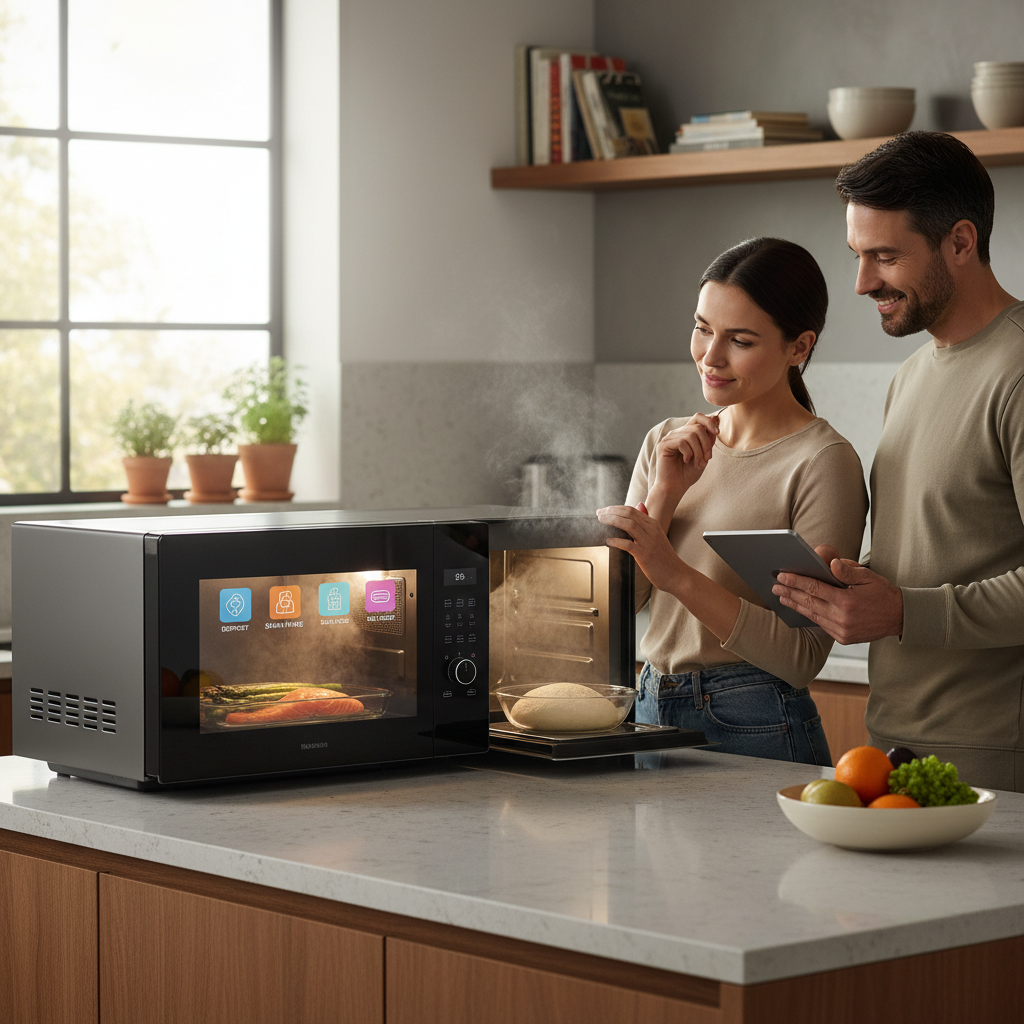
In 2026, the microwave has evolved. Many models now incorporate sensor cooking technology, which automatically adjusts cooking times based on the food’s moisture content. You might find microwaves with built-in air frying capabilities, convection cooking, or even grilling elements. Some smart microwaves connect to your home Wi-Fi and allow you to scan barcodes on packaged foods to automatically set cooking instructions.
The focus is on versatility, convenience, and health. Microwaves can complement other appliances like air fryers, offering a range of cooking options in a single unit. For instance, you could microwave something briefly to heat it internally and then air fry it to crisp it up.
Future-Proof Advice: What Truly Matters
As you consider the future of your kitchen, keep these points in mind:
* **Energy Efficiency:** Look for models with energy-saving features. Microwaves are already relatively energy-efficient for short cooking tasks.
* **Smart Features, But Not at the Expense of Simplicity:** Smart features can be helpful, but don’t choose a microwave that’s overly complicated. User-friendliness is key.
* **Durability and Build Quality:** Investing in a well-made microwave can save you money in the long run. Look for models from reputable brands, and read reviews to assess build quality.
* **Consider Your Needs:** Think about how you use your microwave. Do you mostly reheat leftovers, or do you cook more complex meals? Choose a microwave that matches your cooking style.
* **Easy Cleaning:** A microwave that’s easy to clean will make your life much simpler. Look for models with smooth interior surfaces and removable parts.
The trend is toward multi-functional appliances. Combining multiple cooking methods into a single unit saves space and simplifies meal preparation.
In the realm of home technology, understanding the practical aspects of appliance use is essential. Just as we learn to manage our time effectively, as discussed in “The Unseen Clock: How Everyday Habits Steal Your Time (And What to Do About It),” similar diligence in appliance care guarantees both efficiency and longevity, thereby avoiding unnecessary expenses and promoting sustainable living.
Frequently Asked Questions (FAQ)
Here are some common questions about microwave ovens:
1. **How long should a microwave last?**
The average lifespan of a microwave is around 7–10 years. However, this can vary based on usage, brand, and maintenance.
2. **How much electricity does a microwave use?**
Most microwaves use between 600 and 1,000 watts of electricity. The amount of electricity used depends on the wattage of the microwave and how long it’s used.
3. **What can I do if my microwave isn’t heating?**
If your microwave isn’t heating, there could be several causes, including a faulty magnetron or a problem with the high-voltage diode. It’s best to consult a qualified appliance repair technician.
4. **Can I put metal in a microwave?**
No. Metal can cause sparks and damage the microwave.
5. **How do I clean my microwave?**
You can use a microwave-safe bowl with water and vinegar, then wipe down the interior. Also, use soapy water on the exterior.
6. **Are microwaves energy efficient?**
Yes, microwaves are generally energy-efficient, particularly for short cooking tasks compared to traditional ovens.
7. **What’s the difference between a microwave and an air fryer?**
Microwaves use electromagnetic waves to heat food quickly, while air fryers use circulating hot air to cook and crisp food. Air fryers often produce crispier results.
8. **When should I replace my microwave?**
Consider replacing your microwave if it’s over 10 years old, heats unevenly, makes strange noises, or if the door or controls are malfunctioning.
In conclusion, the microwave of 2026 is a far cry from its predecessors. It’s a versatile, efficient, and increasingly smart appliance that can play a central role in your kitchen. By understanding its capabilities, using it correctly, and practicing proper maintenance, you can ensure that your microwave remains a valuable and reliable part of your home for years to come. For more insights on home solutions, feel free to explore Josephs Well.