We all have them: those little things we do every day, seemingly insignificant, that chip away at our time and energy. It might be the extra five minutes spent searching for keys, the wasted water while waiting for the shower to heat up, or the constant need to reheat your morning coffee. These aren’t huge problems, but they’re *systemic* problems. They’re the termites of efficiency, quietly eroding your peace of mind and adding stress to your daily grind.
But here’s the good news: recognizing these inefficiencies is the first step toward reclaiming your time and energy. This isn’t about some rigid life-coach system; it’s about smart living, about making small, sustainable changes that add up to a significant impact.
The Inefficiency Audit: Where Are You Losing Ground?
Let’s do a quick audit of a typical morning. Imagine you wake up, and immediately:
* **You check your phone:** Before you’ve even gotten out of bed, you’re bombarded with notifications, emails, and social media updates. This instantly puts your brain in reactive mode, hijacking your focus before your day has even begun.
* **You stumble around:** You fumble for your glasses, your keys, and a matching pair of socks. The morning rush leads to misplaced items and lost minutes.
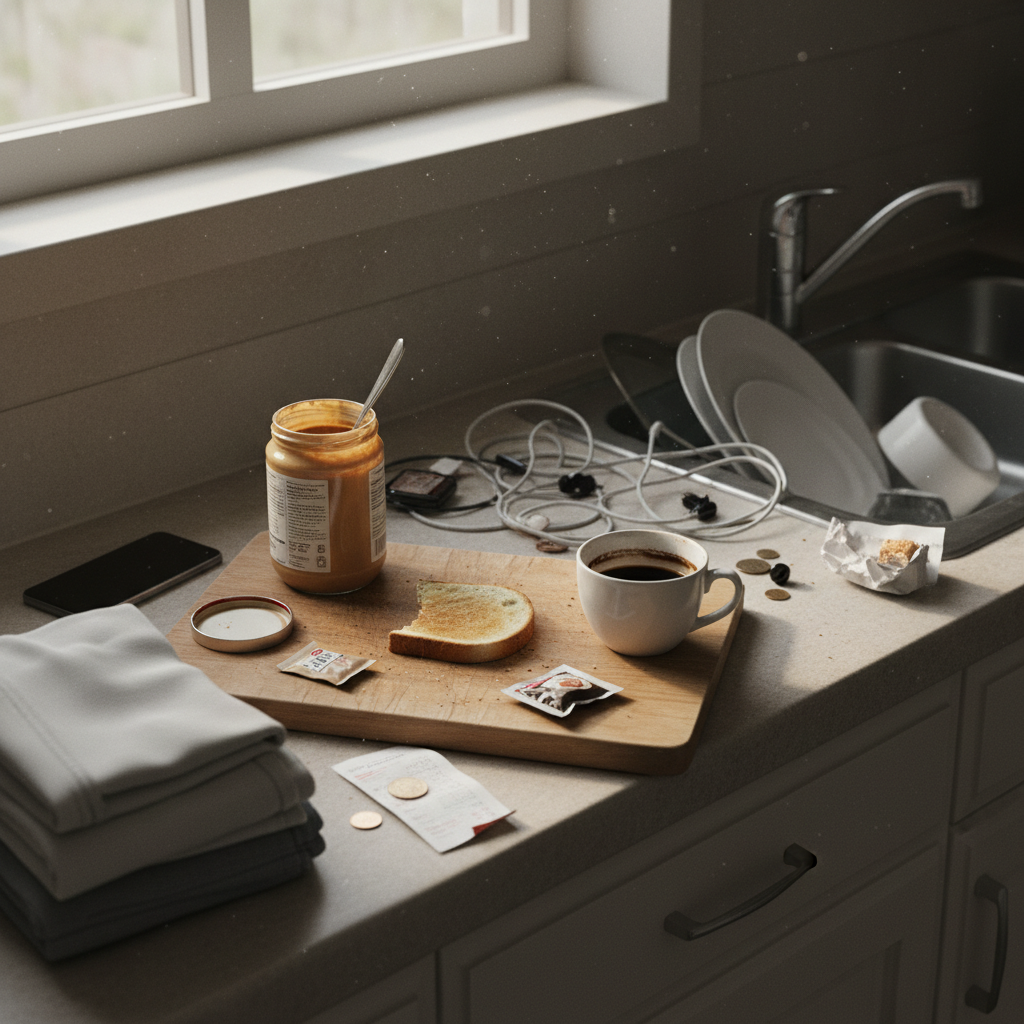
* **Your breakfast is a struggle:** You make a complicated breakfast, only to realize you’re missing a key ingredient. The meal itself is rushed, and dishes pile up.
* **You’re running late:** Rushing to get out the door, you realize you’ve forgotten something, leading to a frantic search and a stressed commute.
Sound familiar? These little inefficiencies accumulate, creating a sense of being constantly behind. They drain your mental energy and leave you feeling frazzled before noon.
The Unseen Risks: More Than Just Wasted Time
The consequences of these seemingly small habits extend beyond wasted time. They can lead to:
* **Increased stress:** The constant feeling of being behind schedule elevates your stress levels.
* **Reduced productivity:** A scattered start to the day often leads to a scattered workday.
* **Decreased mental clarity:** A cluttered environment and a reactive mindset hinder your ability to focus and make decisions.
* **Missed opportunities:** Wasted time is time you could spend on things that truly matter to you.
The Habit Graveyard: Common Habits That Need a Burial
Let’s identify some common habits that contribute to this drain on your resources:
* **Mindless scrolling:** The endless loop of social media and news feeds is a major time-waster, especially first thing in the morning.
* **Procrastination:** Putting off essential tasks creates a sense of dread and leads to rushed, inefficient work.
* **Lack of planning:** Not having a clear plan for your day leads to a reactive approach, where you constantly react to whatever comes your way.
* **Clutter and disorganization:** A messy home and workspace create visual distractions and make it harder to find what you need.
* **Multitasking:** Constantly switching between tasks is a recipe for inefficiency; focus and flow are essential.
The System-Level Solution: Small Changes, Big Impact
The good news is that these habits can be replaced with more efficient routines. Think of it as upgrading your operating system for life. Here are some system-level improvements you can start implementing today:
* **Create a morning routine:** Start your day with a predictable sequence of activities. This might include:
* Waking up at the same time every day.
* Making your bed.
* Drinking a glass of water.
* Some light stretching or exercise.
* Reviewing your to-do list for the day and setting priorities.
* **Prep the night before:** Prepare your clothes, pack your lunch, and gather any items you’ll need for the next day. This minimizes morning chaos.
* **Declutter regularly:** A clean, organized space promotes a clear mind. Dedicate a few minutes each day to tidying up.
* **Batch similar tasks:** Grouping similar activities together saves time and mental energy. For example, answer all your emails at once, rather than checking them sporadically throughout the day.
* **Use technology to your advantage:** Smart home devices can automate tasks and streamline your routine. Consider:
* Smart speakers to control lights, play music, and set timers.
* Smart plugs to automate appliances.
* Smart thermostats to regulate temperature efficiently.
* Robotic vacuums to keep your floors clean.
For more inspiration on streamlining your routines, check out The Smart Home’s Silent Partner: Streamlining Your Laundry Routine for Peace and Efficiency for tips on optimizing your laundry tasks. Also, find more ideas for smart living on Josephs Well.
Modern Lifestyle Relevance: Thrive, Don’t Just Survive
In today’s fast-paced world, efficiency is more than a luxury; it’s a necessity. We’re constantly bombarded with information and demands on our time. Building systems that make your life easier allows you to reclaim your time and energy, freeing you up to focus on what matters most.
Smart living isn’t about being perfect; it’s about being *intentional*. It’s about making conscious choices to optimize your life, one small habit at a time. It’s about setting yourself up for success, not just surviving the day-to-day grind.
Long-Term Peace and Convenience: The Ripple Effect
The benefits of creating a more efficient life ripple outwards:
* **Reduced stress and anxiety:** A predictable, organized routine creates a sense of calm and control.
* **Increased productivity and focus:** When you’re not constantly scrambling, you can accomplish more with less effort.
* **More time for what you love:** Reclaiming time means you can pursue your passions, spend time with loved ones, and simply enjoy life more fully.
* **Improved health and well-being:** Reducing stress and creating a more balanced life has a positive impact on your physical and mental health.
The key is to start small. Choose one or two areas where you feel the greatest inefficiency and start making changes. Don’t try to overhaul your entire life overnight. Remember, it’s the small, consistent actions that make the most significant difference.
FAQ: Your Questions Answered
Here are some frequently asked questions and practical answers to get you started:
**1. How do I start building a morning routine?**
Start by identifying the activities that set a positive tone for your day. These might include hydration, exercise, and reviewing your schedule. Then, start by adding one or two of these activities to your morning routine. Consistency is key, so aim for a routine you can stick with.
**2. What are some easy ways to reduce clutter?**
Start by decluttering one area at a time. This could be your desk, your kitchen counter, or your closet. Get rid of anything you don’t use, need, or love. Make it a habit to put things away immediately after you use them.
**3. How can I save time when getting ready in the morning?**
Prepare the night before! Lay out your clothes, pack your bag, and make your breakfast ahead of time. Consider showering at night to save time in the morning.
**4. How can smart home technology help me save time and energy?**
Smart home technology can automate various tasks. For example, smart lights can be controlled remotely, smart thermostats can adjust the temperature automatically, and robotic vacuums can clean your floors while you’re away.
**5. What if I struggle with procrastination?**
Break down large tasks into smaller, more manageable steps. Schedule specific times for working on these tasks, and eliminate distractions. Reward yourself for completing tasks, no matter how small.
**6. How do I make sure I stick to my new routines?**
Be realistic about your goals. Start small and gradually introduce new habits. Track your progress, and celebrate your successes. Be patient with yourself, and don’t get discouraged if you slip up occasionally.
**7. How can I identify the biggest time-wasters in my life?**
Keep a journal for a week and note the activities that take up your time, and the tasks you would have rather spent the time doing. Also, note when you feel most stressed or rushed. This will help you pinpoint the areas where you need to make changes.
**8. What are some of the easiest ways to save energy at home?**
Switch to LED light bulbs, unplug electronics when not in use, and seal drafts around windows and doors. Also, maintain your HVAC system and use energy-efficient appliances.
By embracing these principles and making small, consistent changes, you can transform your daily life from a struggle into a source of peace, productivity, and enjoyment. You have the power to create a life that’s efficient, safe, and truly your own.