Okay, so you’ve heard the hype. Smart homes, smart everything. But what’s the real deal with smart appliances in 2026? Let’s ditch the futuristic fantasies for a minute and talk about what’s actually happening in your kitchen, laundry room, and beyond. I’ve been living with this stuff for over 20 years. I’ve seen the promises, the problems, and the quiet triumphs. This isn’t about selling you the latest gadget; it’s about making smart choices for your home.
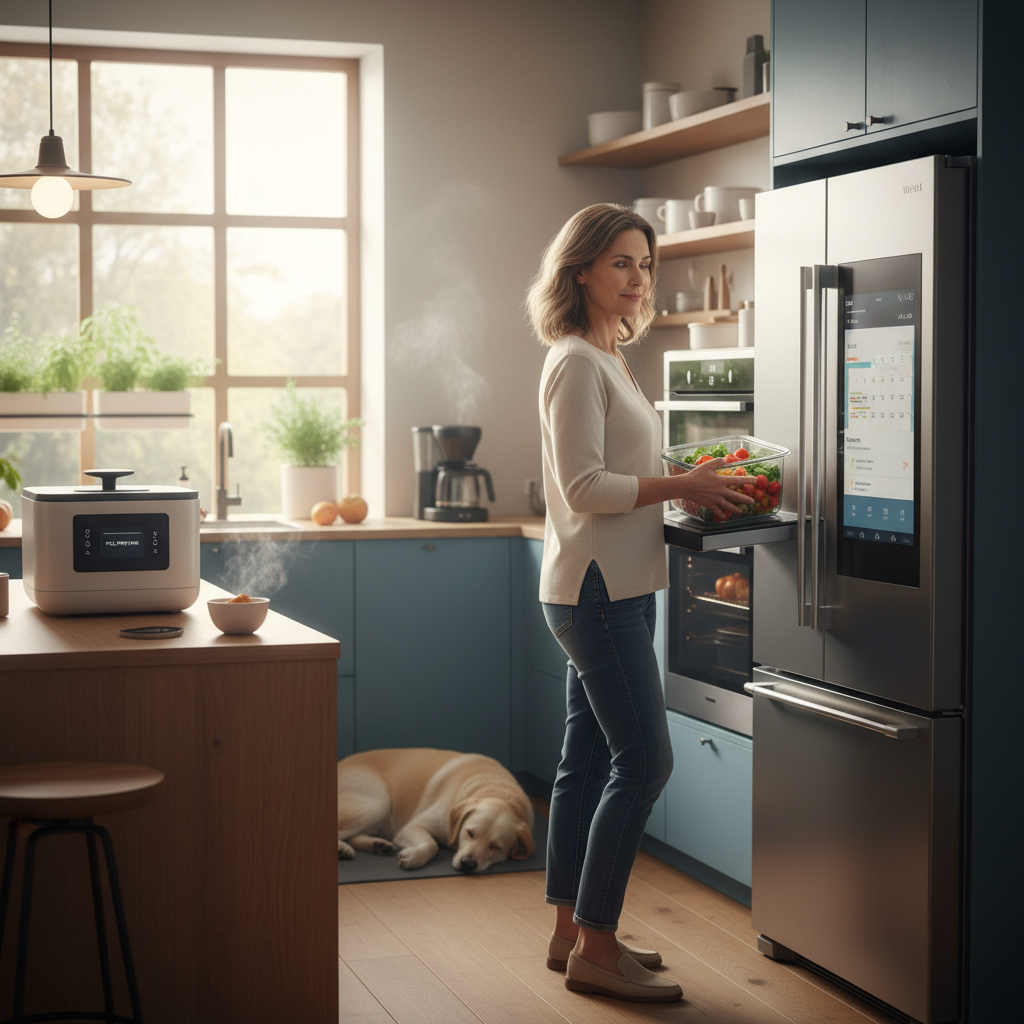
The Real-Life Starting Point: My Washer Saga
A few weeks back, my washing machine decided to throw a hissy fit. It’s a “smart” model, of course, with all the bells and whistles. The app told me there was a “communication error.” Basically, it couldn’t talk to the Wi-Fi. Now, this wasn’t the first time. Sometimes it’s a quick fix: a power cycle, a router reboot. Other times? Headaches. It got me thinking: Why do we even need these appliances to be so darn smart? And more importantly, how do we make them work for us, not the other way around?
Why “Smart” Anyway? The Good, the Bad, and the Sometimes Ugly
The vision is compelling. Imagine: Your fridge knows when you’re low on milk and adds it to your grocery list. Your oven preheats on your way home, ready for dinner. Your washing machine optimizes the cycle based on the load. In theory, smart appliances offer:
- Convenience: Remote control, automated tasks, and streamlined routines.
- Efficiency: Optimized energy and water usage, potentially saving you money.
- Insights: Data-driven feedback on usage, helping you understand and improve your habits.
But the reality isn’t always so rosy. Here’s what often gets overlooked:
- Complexity: More features mean more things that can go wrong. Think software glitches, Wi-Fi dropouts, and app frustrations.
- Dependence: Your appliance is only as smart as your internet connection and the supporting infrastructure.
- Cost: Smart appliances typically have a higher upfront price tag.
- Security: Any device connected to the internet is a potential target for hackers.
Common Misconceptions and Problems in 2026
Let’s debunk a few myths and face the facts. A lot has changed, but these realities remain:
- “Smart” Doesn’t Equal “Better”: Just because an appliance *can* connect to Wi-Fi doesn’t mean it’s inherently superior. Sometimes, a well-built, reliable, dumb appliance is a better choice.
- Connectivity is Key, But It’s a Headache: Wi-Fi problems are the bane of smart home existence. If your router isn’t up to snuff, your smart appliances will suffer.
- Updates Aren’t Always Upgrades: Software updates can introduce bugs, break existing functionality, or even brick your appliance.
- Privacy Isn’t Guaranteed: Smart appliances collect data about your usage habits. Be mindful of what you’re sharing and who has access to it.
Smart Usage & Maintenance: Making it Work for YOU
So, how do you navigate this landscape and make smart appliances work for you? Here’s my practical advice, based on years of experience:
- Prioritize Reliability: Before you get excited about the smart features, check the appliance’s core functionality. Does it do the basics well? Is it built to last?
- Build a Strong Network: Invest in a good router and consider a mesh Wi-Fi system for whole-home coverage. This is the foundation for a reliable smart home.
- Read the Reviews: Don’t just look at the marketing hype. Read what real users are saying about the appliance’s performance, ease of use, and reliability.
- Embrace the Manual: Yes, really. Learn how to use the basic functions of your appliance *without* relying on the app. What happens if the Wi-Fi goes down?
- Stay Updated, But Cautiously: Keep your appliance’s firmware and software updated, but be prepared for potential problems. Back up any important settings.
- Clean and Inspect: Regular maintenance is even more crucial for smart appliances. Keep them clean, check seals and connections, and address any small issues immediately.
- Consider a Dedicated Network: Some experts recommend setting up a separate network for your smart devices to improve security and performance.
2025–2026 Relevance: What’s Changed, What Matters
So, what’s new and noteworthy as we head into 2026?
- Energy Efficiency is King: With rising energy costs and growing environmental concerns, energy-efficient appliances are more important than ever. Look for Energy Star certification and features like heat pump dryers.
- AI is Becoming More Integrated: AI-powered features are moving beyond gimmicks. Expect more appliances that learn your habits and optimize performance.
- Repairability is a Focus: Manufacturers are starting to prioritize repairability, making parts more accessible and designs more user-friendly.
- Design Matters: Appliances are becoming more stylish, with customizable finishes and integrated designs that blend seamlessly with your home.
Future-Proof Advice: What Actually Matters Long-Term
Here’s the stuff that will still matter in 2030 and beyond:
- Durability: Choose appliances built to last, with quality components and a good warranty.
- Simplicity: Look for appliances that offer the features you need without being overly complicated.
- Interoperability: Choose appliances that work with popular smart home platforms and standards.
- Security: Stay vigilant about your appliance’s security settings and be prepared to update them regularly.
The “smart home” is evolving, and this also impacts your phone’s capabilities. Learn more about it with The Phone’s Quiet Revolution: How We’re Changing, One Glance at a Time.
FAQ: Real Answers to Real Questions
Let’s address some common questions:
-
Are smart appliances worth the extra cost?
It depends. If you value convenience and efficiency and have a reliable network, they can be worthwhile. But don’t sacrifice core functionality for smart features. Evaluate the return on investment carefully.
-
What are the biggest downsides of smart appliances?
Connectivity issues, software glitches, potential security risks, and the higher purchase price are the most common downsides.
-
How can I protect my smart appliances from hackers?
Use strong passwords, keep your appliances’ firmware updated, and consider using a separate Wi-Fi network for your smart devices. Research and understand the security settings of your chosen appliances.
-
What should I do if my smart appliance isn’t working?
Start with the basics: check the power, the Wi-Fi connection, and the app. Then, consult the manufacturer’s troubleshooting guide. If the problem persists, consider contacting customer support or a qualified repair technician.
-
How often should I clean my smart refrigerator’s coils?
Clean the coils of your refrigerator every six months to ensure it runs efficiently.
-
Do I really need a “smart” washing machine?
Not necessarily. A well-built, reliable washing machine that cleans your clothes effectively is often a better choice than a “smart” one with questionable reliability. However, smart features can offer benefits, like optimized water and detergent usage.
-
What are some good smart appliance brands in 2026?
This changes constantly. Look for brands with a reputation for quality, reliability, and good customer support. Read reviews from independent sources before making a purchase.
-
Where can I find more information about smart appliance repair?
Manufacturer websites, online repair guides, and local appliance repair services can provide valuable information. Be sure to check with your appliance’s manufacturer for troubleshooting steps first.
Final Thoughts: Smart is a Tool, Not a Goal
Smart appliances offer a glimpse into the future, but they aren’t the only solution. The goal isn’t to have a “smart home” for its own sake. It’s to create a home that is comfortable, efficient, and easy to live in. Smart appliances can be a part of that, but only if they meet your needs and integrate seamlessly into your life. Don’t be afraid to embrace the technology, but do it with your eyes wide open. Choose wisely, maintain diligently, and remember: The smartest home is the one that works best for you. If you need inspiration, check out the Josephs Well website.