Okay, let’s talk about something real. It’s late February 2026, and the electricity bill just landed with a thud. Another increase. You’re not alone. We’ve all been there, staring at those numbers, wondering where all the power is going. And that, my friends, is where smart home tech, specifically smart energy monitoring, steps in.
Why Energy Monitoring Now?
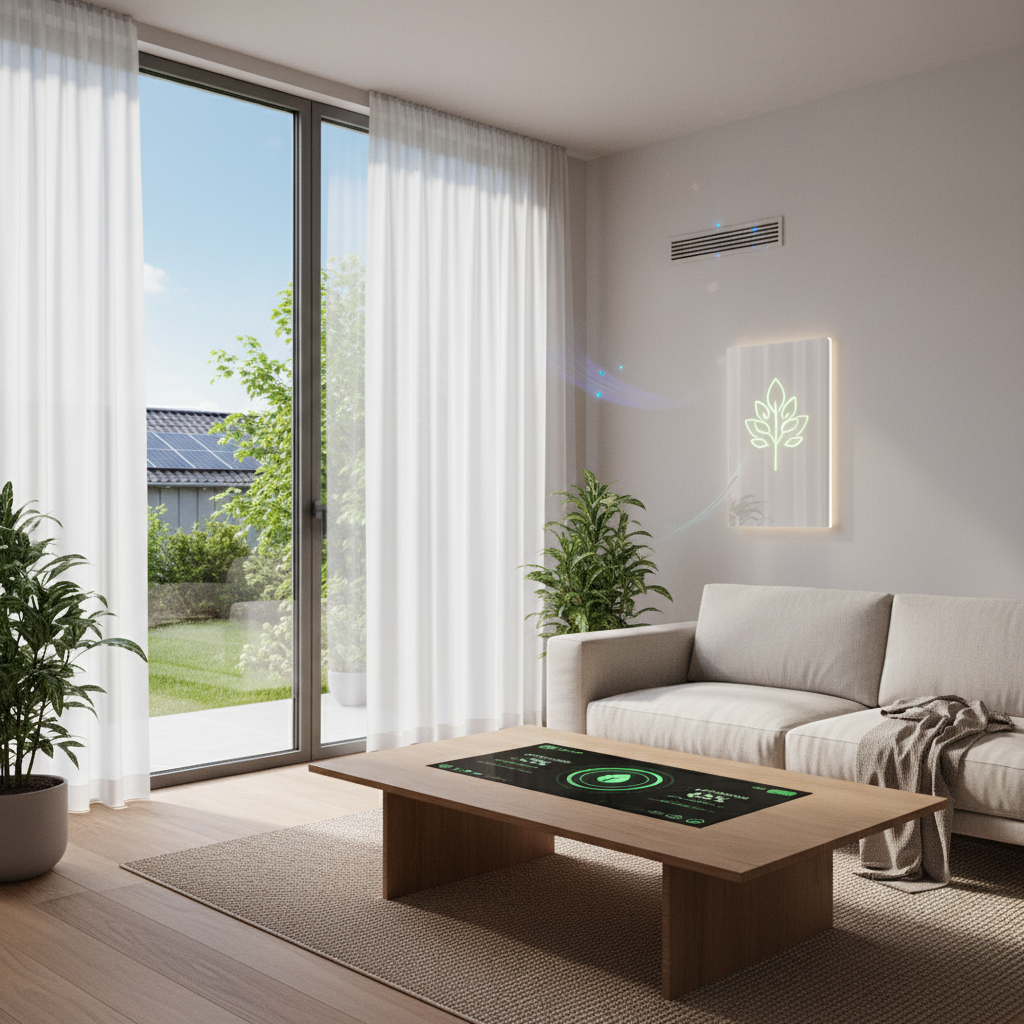
It’s not just about the gadgets anymore. Rising energy costs, combined with a growing awareness of our environmental impact, have made energy efficiency a top priority. Smart home technology has evolved beyond just cool features; it’s about practical solutions. Energy monitoring systems provide real-time insights into your home’s power usage, helping you see exactly where energy is going. This can help you identify unusual usage spikes, and appliances that are using excess energy.
The Basics: What’s Out There
So, what are we talking about when we say “energy monitoring”? It’s essentially a system that tracks and analyzes your home’s power consumption in real-time. There are different types, but here’s a simplified breakdown:
- Smart Plugs: These are the entry-level heroes. Plug a “vampire” appliance (think TVs, game consoles, chargers) into a smart plug, and you can monitor its energy use and cut off power when it’s not needed.
- Whole-Home Monitors: These install in your electrical panel and give you a comprehensive view of your entire home’s energy consumption. They can often track individual circuits, telling you how much power each appliance or area of your home is using.
- Circuit-Level Monitors: As mentioned above, some whole-home systems offer circuit-level monitoring, but dedicated circuit-level monitors are also available, providing even more granular data.
Misunderstandings & Misuse: The Pitfalls to Avoid
Like any technology, smart energy monitoring isn’t a magic bullet. Here’s where people often go wrong:
- Expecting Instant Savings: The monitor itself doesn’t *save* energy. It provides data. You still have to *act* on that data. Many homeowners install the system, glance at the app, and then… nothing.
- Ignoring the “Phantom Loads”: Those devices that are always plugged in, even when off, consume a surprising amount of energy. Smart plugs are great for tackling these, but if you don’t use them, you’re missing a key opportunity.
- Overlooking the Data: The app shows you the usage, but do you understand what it means? A spike at 3 AM could be a faulty fridge, but only if you analyze the data.
- Failing to Automate: Many systems allow you to set up automated rules (e.g., turn off the TV when you leave the house). If you don’t take advantage of these features, you’re missing a significant piece of the puzzle.
Smart Habits: Making the Tech Work for You
To truly benefit, you need to integrate these devices into your lifestyle. Here’s how:
- Track, Analyze, Adapt: Regularly review the data. Look for patterns, identify energy-guzzling appliances, and understand your peak usage times.
- Smart Plugs for the Win: Use smart plugs for electronics, entertainment systems, and anything that sits in standby mode.
- Embrace Automation: Set up rules in your smart home system to automatically turn off lights, appliances, and other devices when you’re away or at specific times.
- Pair with Other Smart Devices: Integrate your energy monitor with your smart thermostat, smart lighting, and even your EV charger (if you have one). This creates a more holistic energy management system.
- Consider Solar Integration: If you have solar panels, a smart energy monitor can help you optimize your self-generated energy and maximize your savings.
- Don’t Forget the Basics: Smart tech is great, but don’t neglect the fundamentals. Switch to LED bulbs, improve insulation, and be mindful of your energy usage habits, such as washing clothes in cold water.
Long-Term Problems & Solutions
Even with the best intentions, things can go wrong. Here’s what to watch out for:
- Data Overload: Too much information can be overwhelming. Focus on the key metrics that matter most to you, and don’t get bogged down in every detail.
- System Compatibility: Ensure that the devices you choose are compatible with each other and with your existing smart home ecosystem.
- App Fatigue: Avoid having to manage too many different apps. Look for systems that integrate with a central smart home hub, like Apple HomeKit, Google Home, or Samsung SmartThings.
- Security Concerns: While rare, smart devices can be vulnerable to hacking. Use strong passwords, keep your firmware updated, and be mindful of the devices you connect to your network.
2026 Relevance: What’s New and Noteworthy
In 2026, the smart home landscape is even more refined. Here’s what’s trending:
- AI-Powered Insights: Some energy monitoring systems now use AI to learn your energy habits and identify appliances automatically.
- Improved Integration: Systems are becoming more seamless, with better integration across different brands and platforms.
- Focus on Sustainability: There’s a growing emphasis on renewable energy integration and helping you make more environmentally friendly choices.
Future-Proof Advice: What Truly Matters
To make the most of smart energy monitoring for years to come, keep these points in mind:
- Choose a System that Scales: As your needs change, you may want to add more devices or features. Pick a system that can grow with you.
- Prioritize Interoperability: Look for products that work with open standards like Matter, to ensure compatibility with future devices.
- Focus on User Experience: A system that’s easy to use is more likely to be used consistently.
- Don’t Overcomplicate: Start with the basics and add features as needed.
- Remember the Human Element: Technology is a tool, not a replacement for good energy habits. Pair your smart home with smart choices. Consider the impact of tech on your daily life, something explored in “The Phantom Click: How Our Phones Changed the Rhythm of Our Days.”
Frequently Asked Questions (FAQ)
Here are some common questions about smart energy monitoring:
Q: Will a smart energy monitor *save* me money?
A: The monitor itself doesn’t save money, but it gives you the information you need to make changes that *will* save money. You can take action to help reduce your energy consumption and save a bit of money.
Q: Is professional installation required?
A: Some whole-home monitors require professional installation, especially those that connect to your electrical panel. Smart plugs and other plug-in devices are typically DIY-friendly.
Q: Are these systems secure?
A: Yes, but like any connected device, there are security risks. Use strong passwords, keep your firmware updated, and be mindful of the devices you connect to your network.
Q: How do I choose the right system?
A: Consider your needs and budget. If you want to monitor individual appliances, smart plugs may suffice. For a comprehensive view of your home, a whole-home monitor is best. Check out “Josephs Well” for more on smart home technology.
Q: Do I need a smart home hub?
A: Not always. Many devices have their own apps. However, a smart home hub can simplify control and allow you to create automated routines across different devices.
Q: What if I have solar panels?
A: Look for a system that integrates with your solar panels to help you optimize your energy usage and maximize your savings.
Q: Where can I buy these devices?
A: You can find them at major retailers like Amazon, Best Buy, and Home Depot, as well as online from the manufacturers themselves.
So, there you have it. Smart energy monitoring is no longer a futuristic concept; it’s a practical way to understand and control your home’s energy use. By embracing this technology wisely, you can not only save money but also contribute to a more sustainable future.