Let’s paint a picture of a typical weekday. You wake up, maybe hit snooze once or twice. You stumble out of bed, and the first thing you see is… stuff. Clothes draped over a chair, a stack of mail on the counter, a cluttered desk. You navigate this, grab your coffee, and rush out the door. Sound familiar? This seemingly innocuous chaos is more than just an aesthetic issue; it’s a silent thief, stealing your time, energy, and peace of mind.
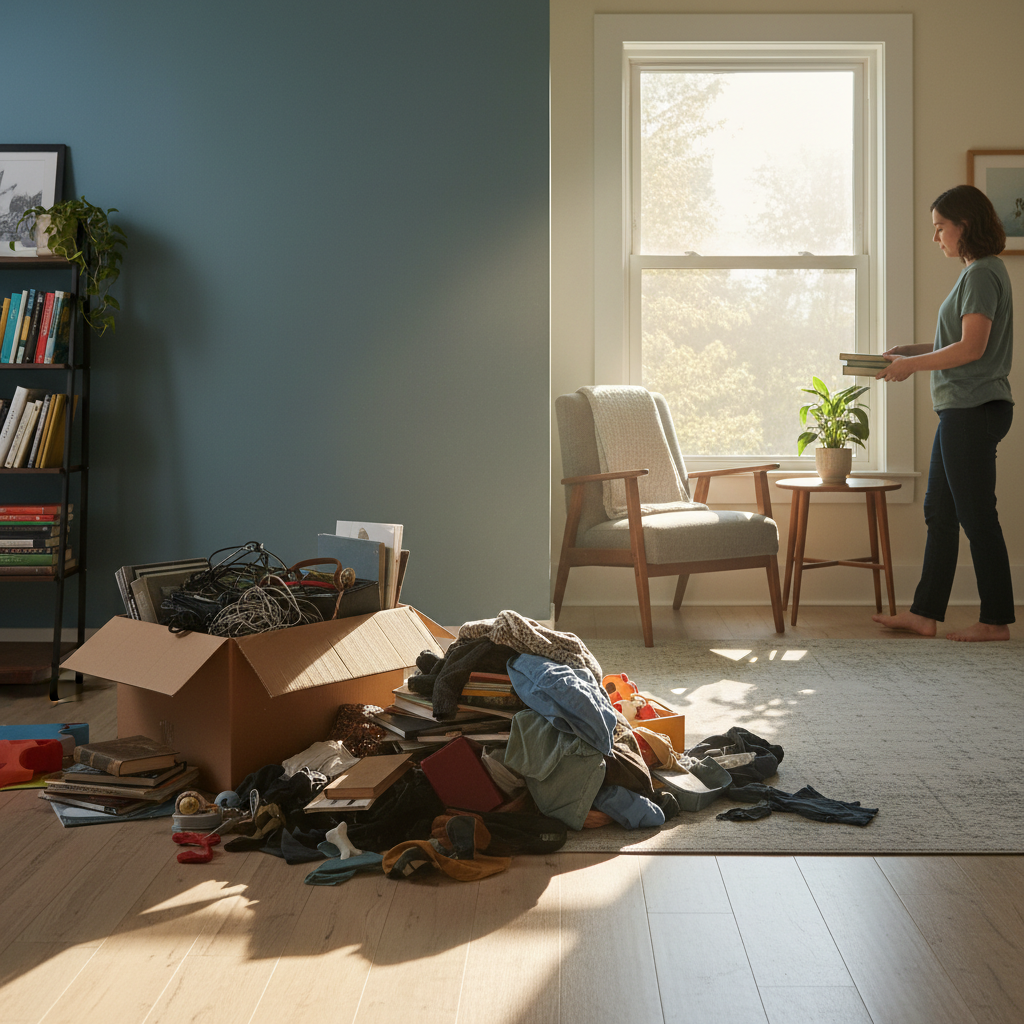
I’ve spent over two decades learning the art of smart living – not through grand gestures, but by implementing small, sustainable systems. One of the most impactful lessons I’ve learned is this: clutter is costly. It impacts your safety, your efficiency, and your overall well-being. Let’s delve into how clutter manifests in our lives, the hidden costs, and, most importantly, how to reclaim control.
The Daily Grind: Where Clutter Thrives
Think about your morning routine. How much time is spent searching for keys, that missing sock, or the phone charger? How often do you buy duplicates of items you already own, simply because you couldn’t find the original? These small, daily inconveniences are the tip of the iceberg. They’re symptoms of a deeper problem: a lack of organized systems.
Consider the impact on your evening routine. Do you spend time tidying up before you can relax? Is your living space a source of stress rather than a sanctuary? A cluttered home can create a feeling of being constantly “behind,” even when you’re not.
The Hidden Costs: More Than Meets the Eye
The cost of clutter extends far beyond the surface level. Here’s a breakdown of the hidden expenses:
- Time Waste: The most obvious cost. How much time do you spend searching for misplaced items each week? That time could be spent on things you enjoy or on more productive tasks.
- Financial Drain: Impulse buys, duplicate purchases, and lost items all contribute to financial waste. A cluttered environment makes it harder to remember what you have and what you need.
- Mental Fatigue: A disorganized space creates visual noise, which can be mentally draining. Constantly processing visual clutter increases stress levels and reduces your ability to focus.
- Safety Hazards: Clutter can create trip hazards, block emergency exits, and harbor dust and allergens. This impacts your health and well-being, especially for those with allergies or mobility issues. Unseen Home Dangers: Spotting and Fixing Everyday Safety Hazards provides more insights on home safety.
- Relationship Strain: Clutter can be a source of conflict between family members or roommates. Differing ideas of “clean” can lead to tension and resentment.
- Lost Opportunities: A cluttered home can make it difficult to host guests, work from home effectively, or pursue hobbies that require dedicated space.
Common Wrong Habits: The Clutter Culprits
Many of us are unknowingly contributing to our own clutter problem. Here are some of the most common, counterproductive habits:
- Holding onto things “just in case”: This is a recipe for clutter accumulation. If you haven’t used something in a year (or even six months, depending on the item), chances are you don’t need it.
- Putting things down “for now”: The “I’ll put it away later” mentality quickly leads to piles of unsorted items.
- Shopping without a plan: Impulse buys, especially those driven by sales or trends, often end up as clutter.
- Failing to establish designated spaces: Without a designated spot for items, they tend to migrate and create chaos.
- Procrastinating decluttering: Putting off decluttering tasks allows the problem to worsen, making the process more overwhelming over time.
- Not dealing with mail promptly: Allowing mail to pile up creates both physical and mental clutter.
Simple System-Level Improvements: Reclaiming Your Space
The good news is that tackling clutter doesn’t require a complete overhaul of your lifestyle. It’s about implementing simple, sustainable systems. Here’s how to get started:
1. The 15-Minute Rule: Daily Tidy-Up
Dedicate just 15 minutes each day to tidying up. This could be before you leave for work, after dinner, or before bed. Put things back where they belong. Wipe down surfaces. This simple habit prevents clutter from accumulating and keeps your space feeling fresh.
2. The “One In, One Out” Principle: Controlled Consumption
Before you bring a new item into your home, get rid of something similar. If you buy a new shirt, donate or discard an old one. This helps control the influx of new possessions and keeps your belongings in check.
3. Designated Spaces: Everything in Its Place
Assign a specific place for everything. Keys go on a hook by the door. Mail gets sorted immediately. Create zones for different activities. This makes it easier to find things and put them away.
4. Decluttering Regularly: The Seasonal Sweep
Schedule regular decluttering sessions, perhaps quarterly or bi-annually. Go through your belongings and get rid of anything you don’t use, need, or love. Consider donating, selling, or responsibly disposing of unwanted items.
5. The Mail Management System: Tame the Paper Trail
Open your mail immediately. Recycle junk mail. File important documents. Scan and digitize what you can. This will significantly reduce paper clutter.
6. Digital Decluttering: Managing the Virtual World
Clutter isn’t just physical. Digital clutter – cluttered inboxes, overflowing photo storage, and disorganized computer files – can be equally draining. Regularly delete unwanted emails, organize your photos, and back up your important files. Clear up your phone. This has a direct impact on your mind.
7. The “Use It or Lose It” Philosophy: Being Intentional
Ask yourself, “Do I really need this?” before purchasing anything. Focus on quality over quantity. Being intentional about what you bring into your life helps to minimize clutter.
8. The “Ask for Help” Advantage
Don’t be afraid to ask for help! Sometimes, a fresh pair of eyes can make a huge difference. Consider enlisting a friend, family member, or professional organizer to help you tackle your clutter.
Modern Lifestyle Relevance: Why This Matters More Than Ever
In our increasingly fast-paced and consumer-driven world, the impact of clutter is amplified. We are constantly bombarded with advertisements and temptations to acquire more things. We often live in smaller spaces and have less free time. In this context, decluttering becomes even more critical for several reasons:
- Time scarcity: We need to maximize our time. Decluttering creates space and efficiency.
- Financial pressures: We need to make smart financial choices. Decluttering supports cost savings.
- Mental well-being: We need peace of mind. Decluttering contributes to a sense of calm.
- Environmental impact: Decluttering promotes responsible consumption, reducing waste and supporting sustainability.
Long-Term Peace & Convenience Benefits: Beyond the Surface
The benefits of decluttering extend far beyond a tidy home. They create a ripple effect that touches every aspect of your life:
- Reduced Stress: A clean and organized home is a calming environment. It lowers stress hormones and promotes relaxation.
- Increased Productivity: A clutter-free workspace allows for better focus and concentration, boosting productivity.
- Improved Decision-Making: Less visual clutter frees up mental energy, which can improve your ability to make decisions.
- Enhanced Creativity: A clear space can stimulate creativity and innovation.
- Better Sleep: A calming environment promotes better sleep quality.
- Increased Self-Esteem: Accomplishing decluttering goals and maintaining a tidy space can boost your self-esteem.
- More Time for What Matters: By eliminating the time-sucks of clutter, you free up time to pursue your passions, spend time with loved ones, and enjoy life.
- A More Welcoming Home: A decluttered home is more inviting for guests, family gatherings, and everyday living.
FAQ: Your Clutter Questions Answered
Here are some frequently asked questions about decluttering and creating a more organized life:
How do I get started when I feel overwhelmed?
Start small. Choose one area, like a drawer or a shelf, and focus on decluttering that space. Celebrate small victories to build momentum. The “15-minute rule” can be incredibly effective here.
What should I do with the items I no longer need?
Consider donating items to charity, selling them online or at a consignment shop, or giving them to friends and family. Recycle items whenever possible. Dispose of unusable items responsibly.
How can I prevent clutter from returning?
Implement the “one in, one out” principle. Create designated spaces for items. Make decluttering a regular habit. Practice mindful consumption to avoid buying unnecessary things.
What if my family members aren’t on board with decluttering?
Start with your own space and set a positive example. Talk to your family about the benefits of a clutter-free home. Find compromises and be patient. Focus on collaborative spaces.
How do I deal with sentimental items?
It can be tough, but ask yourself: “Does this item still serve a purpose?” If not, consider taking a photo of it and letting it go. Be realistic about what you keep. Consider creating a memory box.
Should I hire a professional organizer?
If you’re struggling to declutter on your own, a professional organizer can provide guidance, support, and accountability. They can help you develop systems and strategies that work for you. See if you can afford one, and if you think it would help.
What’s the best approach to decluttering a whole house?
Break it down into manageable chunks. Declutter one room at a time, or even one section of a room at a time. Start with the easiest areas to build momentum. Consider professional help.
How can I create more storage space?
Utilize vertical space with shelves and organizers. Install under-bed storage. Consider using multi-functional furniture. Decluttering will free up space as well!
The Path to a Clutter-Free Life
Decluttering isn’t a one-time event; it’s an ongoing process. By embracing simple systems and making small changes, you can reclaim your space, time, and peace of mind. Start today with the 15-minute rule, and watch how the benefits ripple through your life.
For more smart-living tips and ideas, explore Josephs Well.