It’s a Tuesday morning, and the usual chaos is unfolding in my kitchen. The kids are grabbing breakfast, my spouse is packing lunches, and I’m staring into the refrigerator, trying to figure out what’s for dinner tonight. This scenario is familiar, right? But imagine this: as I open the fridge, a built-in screen displays a list of the ingredients I have, suggests a few recipes based on what’s available, and even tells me the milk is about to expire. That’s the promise of a smart refrigerator in 2026.
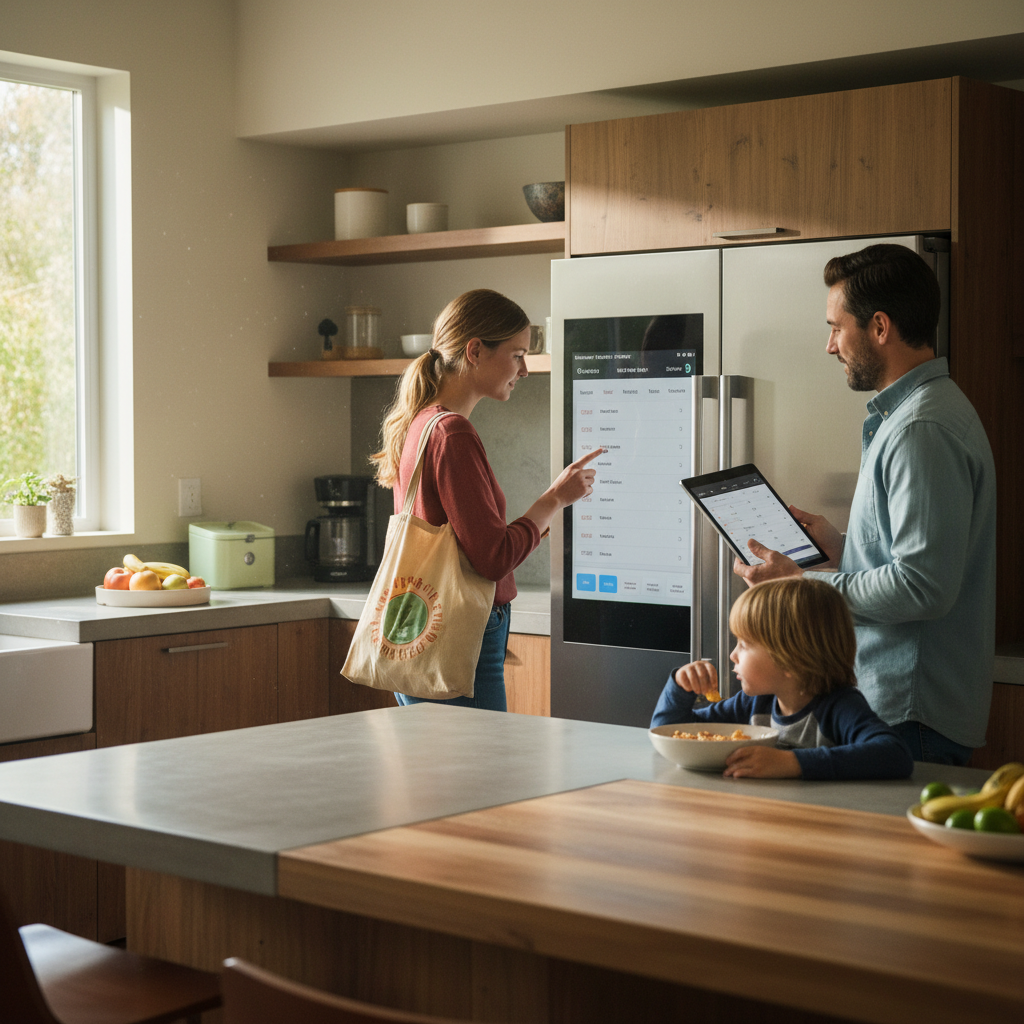
Smart refrigerators have come a long way. They’re no longer just cold boxes; they’re becoming the central hub for our kitchens. But, are they worth the hype? Let’s dive in.
Why the Smart Fridge?
The evolution of the refrigerator is a story of convenience and efficiency. Early models were simple, bulky, and used a lot of energy. Over the years, they’ve become more energy-efficient and incorporated features like automatic defrosting. Now, we’re seeing the rise of smart refrigerators. They exist to solve some real-world problems.
* **Food Waste Reduction**: Built-in cameras and inventory tracking help you see what’s inside without opening the door. They can also send expiration notifications, helping you use food before it goes bad.
* **Convenience**: Touchscreens and app connectivity allow for remote control, recipe suggestions, and even the ability to order groceries.
* **Energy Efficiency**: Smart fridges often incorporate features to optimize energy usage, potentially lowering electricity bills.
The Smart Fridge Reality: What Goes Wrong?
While smart refrigerators offer a lot of potential, they’re not without their drawbacks. Here’s a look at some common issues:
* **Connectivity Problems**: Many smart features rely on a stable Wi-Fi connection. If your internet is down, you might lose access to some of the fridge’s more advanced functions.
* **Repair Issues**: Smart fridges have more components than traditional models, which means more things can go wrong. Touchscreen failures, sensor errors, and compressor problems are common. Repair costs can range from $100 to $450, depending on the issue.
* **High Electricity Usage**: If the fridge’s cooling system is working overtime due to leaks or frost buildup, or if smart features are used heavily, electricity bills can spike.
* **Security Concerns**: As with any connected device, there’s a risk of hacking or data breaches.
Smart Usage & Maintenance in 2026
To get the most out of your smart refrigerator and minimize potential problems, consider these tips:
* **Keep it Clean**: Regularly clean the inside of your refrigerator to prevent the build-up of bacteria and odors. Use a solution of vinegar and water or warm water with dish soap.
* **Check the Door Seals**: Make sure the door seals are tight to prevent cool air from escaping. Test them by closing a dollar bill in the door; if it slips out easily, the seals may need attention.
* **Optimal Temperature Settings**: Maintain a refrigerator temperature of 37-40°F (1.6 to 3.3°C) and a freezer temperature of 0°F (-17.8°C) for optimal food preservation and energy efficiency.
* **Clean the Coils**: Clean the condenser coils every 4-6 months to maintain efficient cooling.
* **Software Updates**: Keep your fridge’s software updated to ensure you have the latest features and security patches.
* **Troubleshoot First**: Before calling a repair technician, check the user manual for troubleshooting tips.
* **Consider a Warranty**: Since repairs can be expensive, a warranty can protect you from unexpected costs.
The Future-Ready Refrigerator
The future of refrigerators isn’t just about being “smart.” It’s about being:
* **Energy Efficient**: Look for models with inverter technology and eco-friendly cooling methods.
* **User-Friendly**: Intuitive touchscreens and app connectivity will become standard.
* **Durable and Repairable**: With the “Right to Repair” movement gaining traction, appliances are being designed for longevity and easier repair.
* **Integrated**: Expect refrigerators to integrate with other smart home devices.
**Microwave Mastery in 2026: Smart Usage, Common Problems, and Future-Proof Tips** could also be a helpful read to round out your home tech knowledge.
FAQ: Smart Refrigerator Edition
Here are some frequently asked questions about smart refrigerators in 2026:
1. Are smart refrigerators worth the extra cost?
It depends. They offer convenience, energy savings, and features like food inventory management, which can save you money and time in the long run. However, they have a higher initial cost and potential repair issues.
2. How do I choose the right smart refrigerator?
Consider your needs and budget. Look for models with features you’ll actually use, such as built-in cameras, app connectivity, and energy-saving modes. Read reviews and compare models before making a decision.
3. What are the common problems with smart refrigerators?
Common problems include connectivity issues, touchscreen failures, temperature inconsistencies, and compressor problems.
4. How can I reduce energy consumption with a smart refrigerator?
Use energy-saving settings, keep the refrigerator at the optimal temperature, and avoid overcrowding the shelves.
5. How often should I clean my smart refrigerator?
Clean the inside of your refrigerator regularly to prevent the build-up of bacteria and odors. Clean the condenser coils every 4-6 months.
6. What are some of the biggest complaints about smart refrigerators?
Reliability issues, costly repairs, and reliance on internet connectivity are some of the biggest complaints. Some models have been criticized for adding ads on the display.
7. What is the “Right to Repair” movement?
This movement advocates for consumers’ rights to repair their own devices. It pushes for manufacturers to provide spare parts, repair manuals, and diagnostic tools to both consumers and independent repair shops.
8. Are there any brands of smart refrigerators to avoid?
Consumer reports and technician reviews often point to certain brands having higher failure rates. Research brands and models carefully before making a purchase.
Final Thoughts
Smart refrigerators offer a glimpse into the future of the kitchen, but they’re not without their complexities. By understanding the technology, the potential pitfalls, and the importance of proper maintenance, you can make an informed decision about whether a smart refrigerator is right for you. Keep an eye on evolving technology and choose wisely, and your smart fridge might just make that Tuesday morning routine a little less chaotic.