It’s a Tuesday evening. The kids are finally in bed, and you’re staring into the fridge, contemplating dinner. Leftovers? Maybe. A quick frozen meal? Possibly. Whatever the choice, the microwave is likely involved. It’s a familiar scene in homes across the country, a testament to the microwave’s enduring role in modern life. But in 2026, the microwave isn’t just about reheating; it’s evolved, with smart features and enhanced capabilities that are changing how we cook and live.
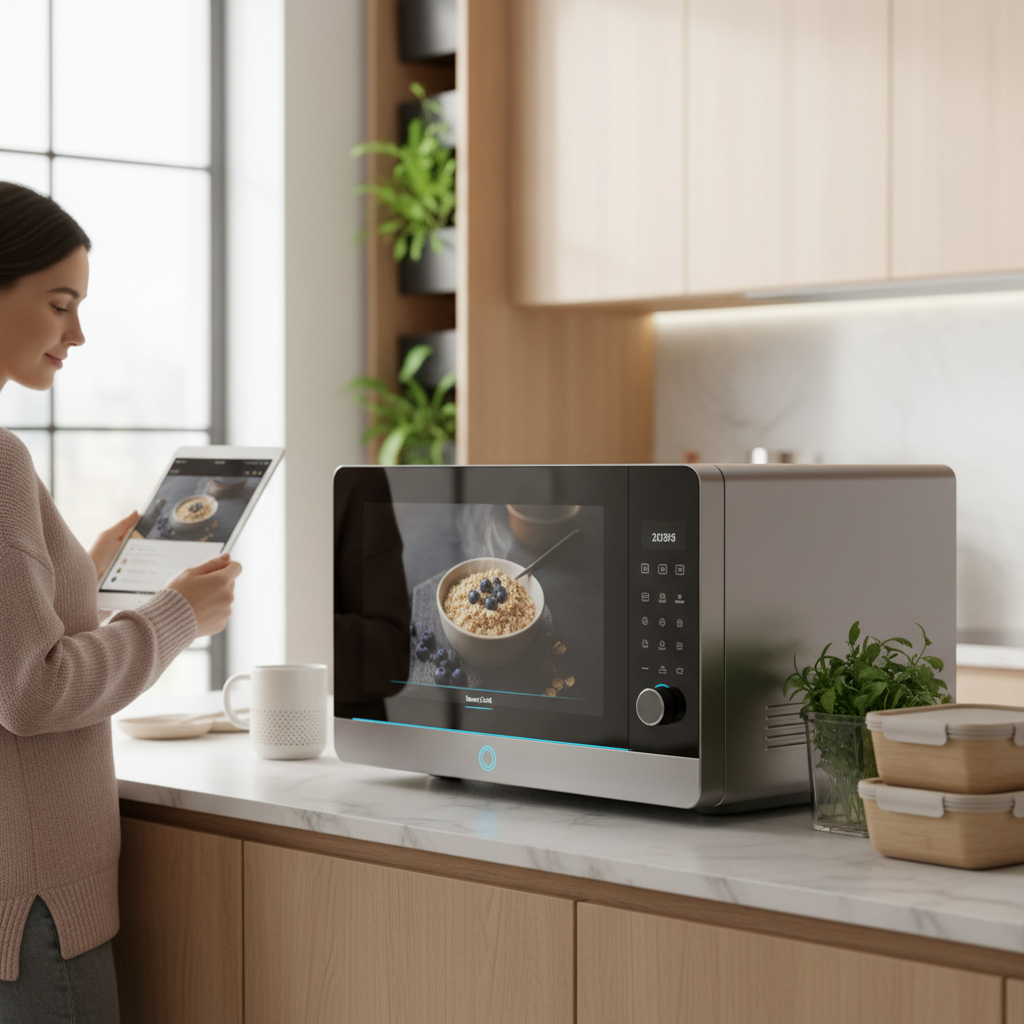
Why the Microwave Still Matters
Before we dive into the future, let’s appreciate the present. The microwave oven, despite its simplicity, remains a vital appliance. It offers unparalleled convenience, saving time and effort for busy individuals and families. From defrosting frozen ingredients to quickly heating up a late-night snack, the microwave is the workhorse of the modern kitchen. Its compact size also makes it ideal for smaller spaces, apartments, and RVs.
The Rise of Smart Features
While the core function of a microwave hasn’t changed, the technology surrounding it has. Smart microwaves are becoming increasingly common, offering features like:
* **Pre-programmed settings:** Easily cook various foods with pre-set programs, taking the guesswork out of cooking.
* **Sensor cooking:** Automatically adjusts cooking time and power based on the food’s moisture content.
* **Connectivity:** Some models can be controlled via a smartphone app, allowing for remote operation and recipe downloads.
* **Voice control:** Integrate with smart home ecosystems like Google Assistant or Alexa for hands-free operation.
These additions enhance the user experience, making cooking simpler and more efficient.
Common Microwave Misunderstandings and Misuses
Despite its convenience, the microwave is often misunderstood. Improper use can lead to everything from unevenly heated food to potential safety hazards. Here’s a look at common mistakes:
* **Using the wrong containers:** Not all plastics, ceramics, or glass are microwave-safe. Using non-microwave-safe materials can lead to melting, sparking, or even fires. Always check the label.
* **Overheating liquids:** Water and other liquids can superheat in the microwave, and explode when disturbed. Use caution and avoid overheating.
* **Using metal:** Metal objects can cause sparks and damage the microwave. This includes aluminum foil, metal utensils, and dishes with metallic trim.
* **Not covering food:** Covering food helps retain moisture and ensures even heating.
* **Ignoring unusual noises:** Any buzzing, sparking, or other unusual sounds should be addressed immediately.
Common Long-Term Problems and How to Avoid Them
Even with proper use, microwaves can experience problems over time. Addressing these issues early on can extend the appliance’s lifespan.
* **Door seal issues:** The door seal is crucial for containing microwaves. Cracks, warping, or looseness can lead to energy leaks.
* **Magnetron failure:** The magnetron is the component that generates microwaves, and it can eventually fail.
* **Control panel malfunctions:** Buttons and displays can stop working due to wear and tear.
* **Turntable motor failure:** The motor that rotates the turntable can burn out.
Regular maintenance and cleaning can help prevent these problems.
Smart Usage and Maintenance Habits for 2026
To maximize the lifespan and efficiency of your microwave, adopt these smart habits:
* **Clean regularly:** Wipe the interior after each use and deep clean regularly with a mixture of water and vinegar to eliminate odors.
* **Use microwave-safe containers:** Stick to glass, ceramic, or microwave-safe plastics.
* **Don’t run it empty:** Always have food or liquid in the microwave when it’s operating.
* **Check the door seal:** Inspect the seal regularly for any damage.
* **Address issues promptly:** Don’t ignore unusual noises or malfunctions. Consult a repair professional if necessary.
* **Consider a surge protector:** Protect your microwave from power surges.
Future-Proof Advice: What Actually Matters
As we move forward, the core principles of microwave usage remain constant. Here’s what matters most:
* **Prioritize safety:** Always prioritize safety by using the right containers, avoiding metal, and being cautious with liquids.
* **Embrace smart features (selectively):** While smart features are convenient, focus on those that genuinely enhance your cooking experience. Do you really need app control?
* **Focus on cleaning and maintenance:** Regular cleaning and maintenance are essential for extending the life of your microwave and ensuring its safe operation.
* **Consider repair vs. replacement:** While microwaves are relatively inexpensive, repair costs can sometimes outweigh the price of a new one..
Frequently Asked Questions (FAQ)
Here are some common questions about microwave use and maintenance:
How long should a microwave last?
The average microwave lasts around seven years with normal use, but this can vary depending on the brand, usage, and maintenance. With proper care, you may get more life out of it.
Can I put metal in a microwave?
No, you should never put metal objects in a microwave, as it can cause sparks and damage the appliance.
What containers are microwave-safe?
Microwave-safe containers are typically made of glass, ceramic, or certain plastics. Always check the label to confirm. Avoid metal, aluminum foil, and containers with metallic trim.
Why is my microwave sparking?
Sparking is usually caused by metal objects, such as aluminum foil or metal utensils, being used in the microwave. Also, a damaged waveguide cover or food build-up can cause sparking.
How do I clean my microwave?
Wipe the interior with a damp cloth after each use. For a deeper clean, heat a cup of water with a tablespoon of vinegar in the microwave for a few minutes. Let it sit, then wipe down the interior.
What should I do if my microwave isn’t heating?
If your microwave isn’t heating, check the outlet, the door, and the internal fuse. If these are fine, it may be an issue with the magnetron or other components, and it’s best to consult a professional.
Are smart microwaves worth the investment?
Smart features can add convenience, such as pre-programmed settings and sensor cooking. Whether they’re worth the investment depends on your personal needs and how often you use your microwave.
The Microwave’s Continued Relevance
The microwave has earned its place in the modern home, and that’s unlikely to change anytime soon. Its blend of speed, convenience, and compact design make it an essential appliance. By understanding its capabilities, avoiding common mistakes, and adopting smart usage habits, you can keep your microwave running efficiently for years to come. In 2026 and beyond, the microwave will continue to evolve, offering new ways to simplify your life and make meal preparation a breeze. For more tips on optimizing your kitchen for smart, efficient living, you can explore guides like Optimize Your Kitchen: A Smart Living Guide to Time-Saving & Safety. You can also explore Josephs Well for more home tech insights.