Remember the days when a washing machine was just a washing machine? Or when your oven’s only trick was baking a potato? Those days are fading fast. Welcome to 2026, where home appliances are undergoing a dramatic transformation, driven by smart technology, sustainability, and a focus on making our lives easier and more efficient. As a HomeTech veteran with over two decades of experience, I’ve seen the evolution firsthand. Let’s dive into what’s happening, what’s important, and how you can navigate this exciting new era.
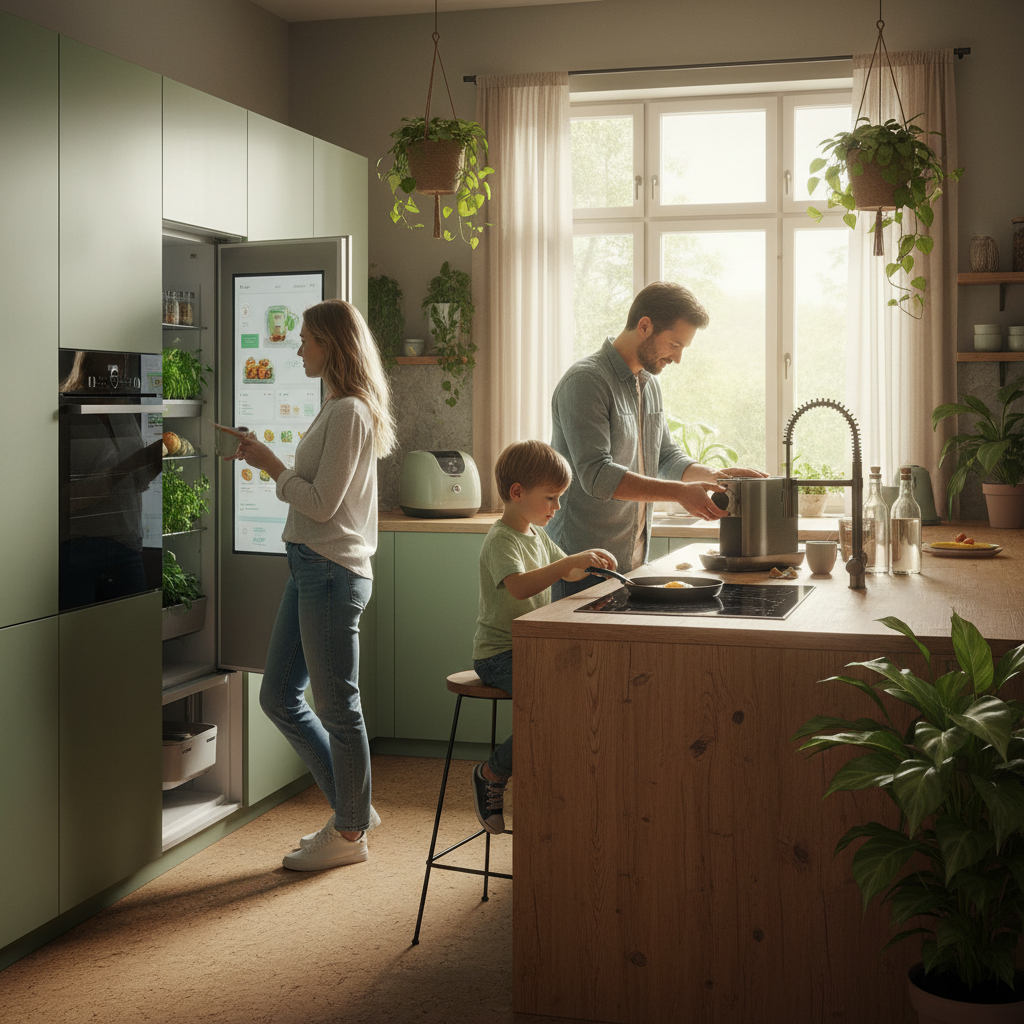
The “Smart” Shift: Beyond the Buzzword
The term “smart” gets thrown around a lot. In the context of home appliances, it’s about connectivity, automation, and learning. But the real value isn’t just in having an appliance you can control with your phone. It’s about how these features enhance your daily life.
What’s Actually Useful?
* **Remote Control:** Starting the washing machine while you’re still at the office, preheating the oven on your way home – these are real conveniences.
* **Energy Efficiency:** Smart appliances can optimize energy consumption based on usage patterns, time-of-use rates, and even solar energy availability.
* **Predictive Maintenance:** Some appliances now alert you to potential problems before they become major issues, saving you money and hassle.
* **Personalized Experiences:** AI-powered appliances are starting to learn your preferences. Your oven might suggest recipes based on what’s in your fridge, or your dishwasher might automatically adjust the wash cycle.
Misconceptions and Misuse
* **Over-reliance on Apps:** While convenient, relying solely on your phone can be problematic. What happens when your Wi-Fi is down? Or the app gets an update that breaks compatibility?
* **Ignoring Basic Maintenance:** Smart features don’t eliminate the need for regular cleaning and maintenance. A smart appliance is still just a machine, and it needs care to function properly.
* **Security Blindness:** Smart appliances connect to your home network, which means they can be vulnerable to cyberattacks. Ensure your network is secure and use strong passwords.
Common Problems & How to Avoid Them
Even with the best technology, things can go wrong. Here are some common issues and how to sidestep them:
* **Connectivity Issues:** Wi-Fi dropouts, app glitches, and device incompatibility can disrupt the smart experience.
* **Solution:** Ensure a strong and stable Wi-Fi network. Consider a mesh Wi-Fi system for better coverage, especially in larger homes. Regularly update your apps and firmware.
* **Software Glitches:** Software updates can sometimes introduce bugs.
* **Solution:** Back up your settings before major updates. If you experience problems, check the manufacturer’s website for troubleshooting tips or consider reverting to a previous software version.
* **Component Failure:** Smart appliances, like any others, can break down.
* **Solution:** Research the reliability of brands and models before you buy. Purchase extended warranties. Learn basic troubleshooting steps.
Smart Usage & Maintenance Habits
Here’s how to get the most out of your smart appliances and keep them running smoothly:
* **Read the Manual:** I know, it sounds boring, but the manual contains vital information about your appliance’s features, maintenance requirements, and troubleshooting tips.
* **Keep it Clean:** Regularly clean your appliances according to the manufacturer’s instructions. This includes wiping down surfaces, cleaning filters, and descaling.
* **Schedule Maintenance:** Just like your car, smart appliances benefit from regular check-ups. Schedule professional maintenance as recommended by the manufacturer.
* **Embrace Automation, but Don’t Overdo It:** Automate tasks that make sense, but don’t try to automate everything.
* **Prioritize Local Control:** Where possible, choose devices that offer local control. This ensures your appliances can still function even if your internet is down.
2026 Relevance: What to Look For
As we move through 2026, certain features and technologies will be particularly valuable:
* **Matter Compatibility:** Matter is a new standard designed to simplify smart home interoperability. Look for appliances that support Matter to ensure they work seamlessly with other smart home devices.
* **AI-Powered Energy Management:** Expect appliances with smart algorithms that optimize energy consumption based on your usage habits and external factors like weather and energy prices.
* **Emphasis on Sustainability:** Eco-friendly appliances with lower energy consumption, water recycling systems, and use of recycled materials are becoming increasingly common.
* **Design and Integration:** Appliances that blend seamlessly with your home’s aesthetic are trending. Expect more handleless designs, customizable finishes, and hidden features.
Future-Proof Advice: What Actually Matters
The smart home landscape is constantly evolving, but some principles remain constant:
* **Prioritize Reliability:** Choose appliances from reputable brands known for their quality and durability.
* **Think Long-Term:** Consider the lifespan of an appliance and whether it can be repaired or upgraded.
* **Focus on Value:** Don’t get caught up in flashy features you won’t use. Look for features that genuinely improve your life and save you money.
* **Embrace Open Standards:** Choose devices that support open standards like Matter to ensure they remain compatible with other devices and future technologies.
* **Privacy First:** Protect your data by choosing secure devices, using strong passwords, and being mindful of the information you share.
* **Don’t Overcomplicate:** Start with a few smart appliances and gradually expand your system as needed. Don’t feel pressured to adopt every new technology.
FAQ: Your Questions Answered
Here are some common questions about home appliances in 2026:
Are smart appliances worth the extra cost?
That depends on your needs and priorities. Smart appliances can offer real benefits, such as convenience, energy savings, and personalized experiences. However, they may come with a higher upfront cost. Consider the features you’ll actually use and the long-term value they provide before making a decision.
How can I make my old appliances work with my new smart home?
You can use smart plugs to make existing “dumb” appliances smarter. These plugs allow you to control the appliance remotely and set schedules. Also, consider a smart home hub, which can connect different brands and protocols.
What are the most common problems with smart appliances?
Connectivity issues, software glitches, and component failures are the most common problems. Regular maintenance, a strong Wi-Fi signal, and choosing reliable brands can minimize these issues.
How can I protect my smart appliances from cyberattacks?
Use strong, unique passwords for all your devices. Keep your software and firmware updated. Use a secure Wi-Fi network with encryption. Consider using device isolation to separate your smart home devices from your other devices.
How often should I clean my appliances?
Refer to your appliance’s user manual for specific cleaning instructions. However, a general rule of thumb is to clean your refrigerator and dishwasher monthly, your oven and microwave after each use or as needed, and your washing machine and dryer at least quarterly.
What are the best smart home devices to buy in 2026?
This depends on your specific needs, but some of the best smart home devices include smart thermostats, smart security systems, smart lighting, and smart home hubs. Look for devices that support Matter for broader compatibility.
Where can I learn more about smart home technology?
There are many resources available, including online reviews, technology blogs, and manufacturer websites. Many retailers also offer in-store demonstrations and expert advice. You can also visit websites like Josephs Well for more information about technology and how it interacts with the world.
The Bottom Line
Home appliances in 2026 are more than just tools. They’re becoming integrated partners in our homes, offering convenience, efficiency, and a more personalized living experience. By understanding the trends, adopting smart usage habits, and prioritizing maintenance, you can embrace this revolution and create a home that’s truly future-ready. And remember, the best technology is the kind that works seamlessly in the background, making your life easier, not more complicated.