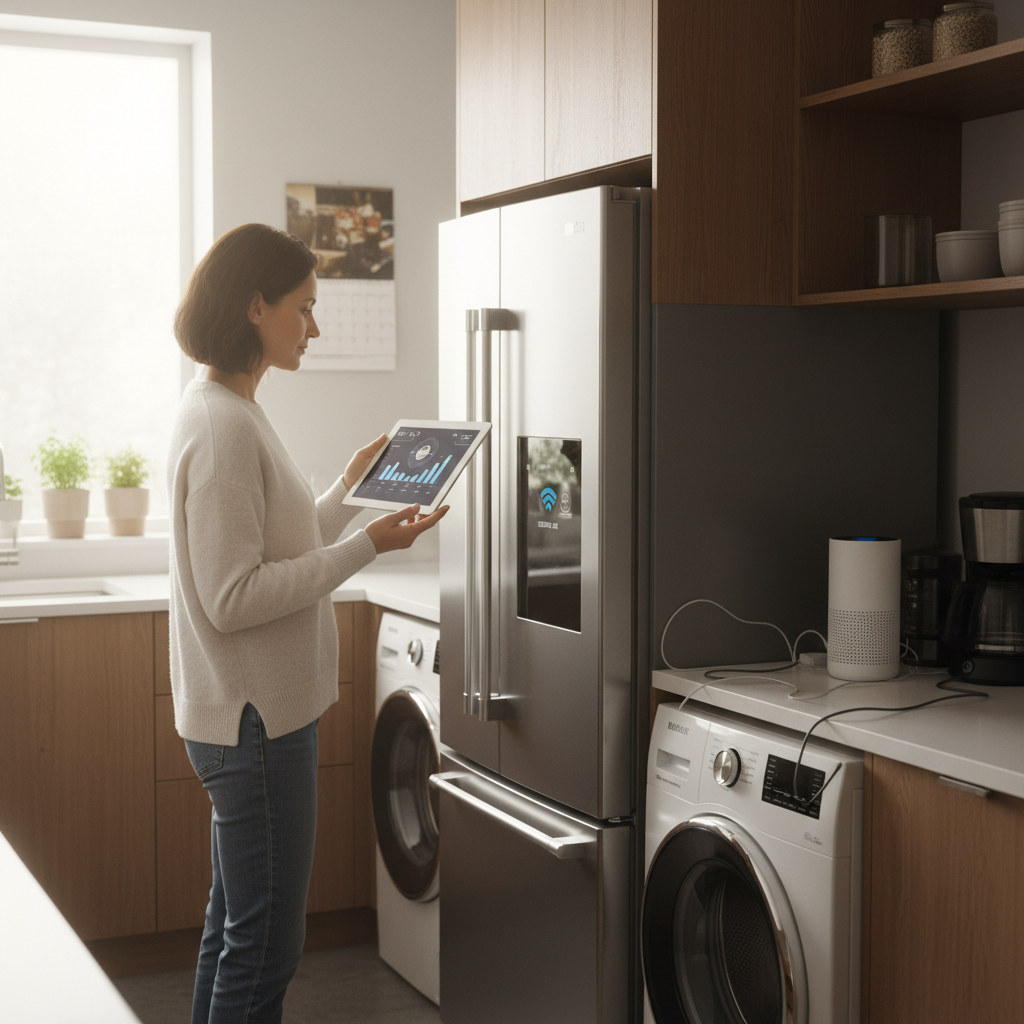
It’s a typical Tuesday morning. The aroma of freshly brewed coffee wafts from the kitchen, thanks to the smart coffee maker that’s learned my exact wake-up time. The refrigerator hums quietly, its internal camera sending a notification about the dwindling milk supply. Meanwhile, the washing machine, a smart model, is nearing the end of its cycle, sending a prompt to my phone to move the laundry to the dryer. This is the reality of many homes in 2026: a network of interconnected appliances working in sync. But is everything as rosy as it seems?
## The Rise of Smart Appliances: More Than Just a Gimmick
Smart appliances are no longer a futuristic fantasy; they’re a mainstream part of modern living. But why the shift? The answer lies in the promise of convenience, efficiency, and control. Smart devices allow us to:
* **Remotely monitor and control:** Whether it’s preheating the oven on the drive home or checking the fridge’s contents from the grocery store.
* **Automate tasks:** From scheduling laundry cycles to automatically ordering detergent when supplies run low.
* **Optimize energy usage:** Smart thermostats learn your habits and adjust temperatures to save energy.
* **Receive real-time alerts:** Notifications for everything from a leaky fridge door to a completed wash cycle.
These features offer clear benefits. They free up time, reduce energy consumption, and provide peace of mind. But with increased convenience comes responsibility. We need to understand how to use these appliances effectively and how to avoid the common pitfalls that can lead to frustration and costly repairs.
## The Dark Side of Smart: Misuse and Misunderstandings
The potential for smart appliances is undeniable, but their effectiveness hinges on proper use. Here’s where many homeowners go wrong:
### Over-Reliance on Automation
It’s tempting to set it and forget it, but complete reliance on automation can be problematic. A smart thermostat, for example, might not account for sudden changes in weather or unexpected schedule alterations. Energy-saving features are designed to adapt to your life but sometimes require manual adjustment. You may need to manually adjust settings from time to time to avoid wasting energy.
### Ignoring Basic Maintenance
Smart doesn’t mean maintenance-free. Ignoring basic care, like cleaning refrigerator coils or emptying the dryer lint trap, can lead to premature appliance failure. Regular maintenance significantly extends appliance lifespan.
### Neglecting Cybersecurity
Smart appliances are connected devices, and connected devices can be hacked. Default passwords, unsecured Wi-Fi networks, and outdated firmware are prime targets for cyberattacks. Failing to secure your smart home is a significant oversight. The devices can be hijacked and can sometimes gain access to your entire network of smart home devices through one unprotected machine.
### Misunderstanding Energy Efficiency
While smart appliances offer energy-saving features, they aren’t magic. Simply buying an appliance with an “Energy Star” label doesn’t guarantee savings. You must use the appliance correctly, take advantage of energy-saving settings, and be mindful of your energy consumption habits.
## Common Long-Term Problems with Smart Appliances
Beyond misuse, some problems are inherent to the technology itself. Being aware of these issues can help you prepare and mitigate potential issues:
### Software Glitches and Compatibility Issues
Smart appliances rely on software, and software can be buggy. Updates can introduce new problems, and compatibility issues between different brands and devices are common.
### Data Privacy Concerns
Smart appliances collect data about your usage habits. This data can be valuable to manufacturers, and it also represents a potential privacy risk. Make sure you understand a product’s privacy policy before buying it.
### Shorter Lifespans for Some Components
The added complexity of smart features can sometimes lead to shorter lifespans for certain components. Electronic control panels, for example, are a common point of failure.
### Security Vulnerabilities
As mentioned before, security is a major concern. Hackers can exploit vulnerabilities in smart appliances to access your home network, steal personal data, or even control your appliances remotely.
## Smart Usage & Maintenance Habits for a Smooth HomeTech Experience
To get the most out of your smart appliances and avoid common problems, adopt these smart usage and maintenance habits:
### Stay Updated
Keep your appliances’ firmware updated. Manufacturers regularly release updates to fix bugs and address security vulnerabilities.
### Secure Your Network
Use strong passwords for your Wi-Fi network and smart devices. Enable two-factor authentication whenever possible. Consider using a separate network for your smart home devices to isolate them from your primary network.
### Regularly Maintain Your Appliances
Follow the manufacturer’s maintenance recommendations. Clean refrigerator coils, empty the dryer lint trap after every load, and clean your dishwasher filter regularly.
### Monitor Energy Consumption
Use energy monitoring features to track your appliance usage. Identify energy hogs and adjust your habits accordingly.
### Choose Compatible Devices
When adding new smart devices, ensure they are compatible with your existing smart home ecosystem. Check if they work with your preferred voice assistant (Alexa, Google Assistant, etc.).
### Review Privacy Settings
Understand the privacy settings of your smart appliances. Review what data they collect and how it’s used. Adjust settings to minimize data collection if desired.
### Unplug When Necessary
Many electronics suck energy even when turned off – it’s called phantom load. Consider using smart plugs to cut power to devices that aren’t in use.
## HomeTech in 2026 and Beyond: Future-Proofing Your Home
Looking ahead, what truly matters in home appliance technology? What trends are here to stay, and how can you prepare for the future?
### Emphasis on Energy Efficiency and Sustainability
Expect to see even more focus on energy-efficient appliances and sustainable practices. Look for appliances with the Energy Star label and features that reduce water and energy consumption.
### Seamless Integration and Interoperability
The future of smart homes is about seamless integration. Devices from different manufacturers will increasingly work together, simplifying setup and control. The Matter standard is helping with this.
### Enhanced User Experience
Manufacturers are prioritizing ergonomics and ease of use. Expect more intuitive interfaces, voice control, and customization options.
### AI-Powered Features
Artificial intelligence will play an even bigger role, optimizing energy usage, predicting maintenance needs, and providing personalized recommendations. The newest Samsung refrigerators will inventory foods stored inside and provide customized recipe options.
### Design and Aesthetics
Smart appliances will become more stylish and integrated into home design. Expect to see appliances that blend seamlessly with cabinetry and offer customizable finishes.
## Frequently Asked Questions (FAQ)
Here are some common questions about smart appliances and their usage:
**Q: How long do smart appliances last?**
A: The lifespan of a smart appliance depends on several factors, including the brand, model, usage, and maintenance. Refrigerators typically last 10-20 years, while washing machines and dryers last around 10-13 years. Microwaves typically last 5-10 years. Gas ranges typically last 13-15 years, and electric ranges last 13-15 years.
**Q: Are smart appliances worth the extra cost?**
A: It depends. The benefits of convenience, energy savings, and remote control can be worth the added expense for many homeowners. However, consider your needs and budget before purchasing.
**Q: How can I protect my smart appliances from hackers?**
A: Use strong passwords, enable two-factor authentication, keep your firmware updated, and use a separate network for your smart home devices.
**Q: How do I know if my smart appliance is using too much energy?**
A: Many smart appliances have built-in energy monitoring features. You can also use a smart plug to monitor the energy consumption of individual appliances.
**Q: What should I do if my smart appliance stops working?**
A: First, check the manufacturer’s website for troubleshooting tips. If that doesn’t work, contact customer support or a qualified appliance repair technician.
**Q: Are there any privacy risks associated with smart appliances?**
A: Yes. Smart appliances collect data about your usage habits. Read the privacy policies of your devices and adjust your settings to minimize data collection if desired.
**Q: What are some must-have smart home devices for energy savings?**
A: Smart thermostats, smart lighting (LED bulbs and smart switches), smart plugs, and smart blinds are all excellent choices for saving energy.
**Q: How can I future-proof my smart home?**
A: Choose devices that are compatible with open standards like Matter. Stay informed about the latest trends in smart home technology, and invest in devices that offer flexibility and interoperability.
By understanding the technology, practicing smart habits, and staying informed, you can make the most of your smart appliances, enjoy the convenience they offer, and build a future-ready home. You’ll not only have a more efficient and enjoyable living space but also a digital domain that is well-protected and secure. If you’re looking for more information on how to fortify your digital domain, check out this related article for more helpful tips. Explore Josephs Well for more insights into smart living.