We’ve all heard the advice: “Don’t leave your phone charging overnight!” or “Only charge it when it’s completely dead!” These are just a couple of the many myths surrounding phone battery care. But are they true? In a world dominated by smartphones, understanding how to best care for our devices’ power sources is essential. Let’s dive into these common misconceptions and find out what actually matters.
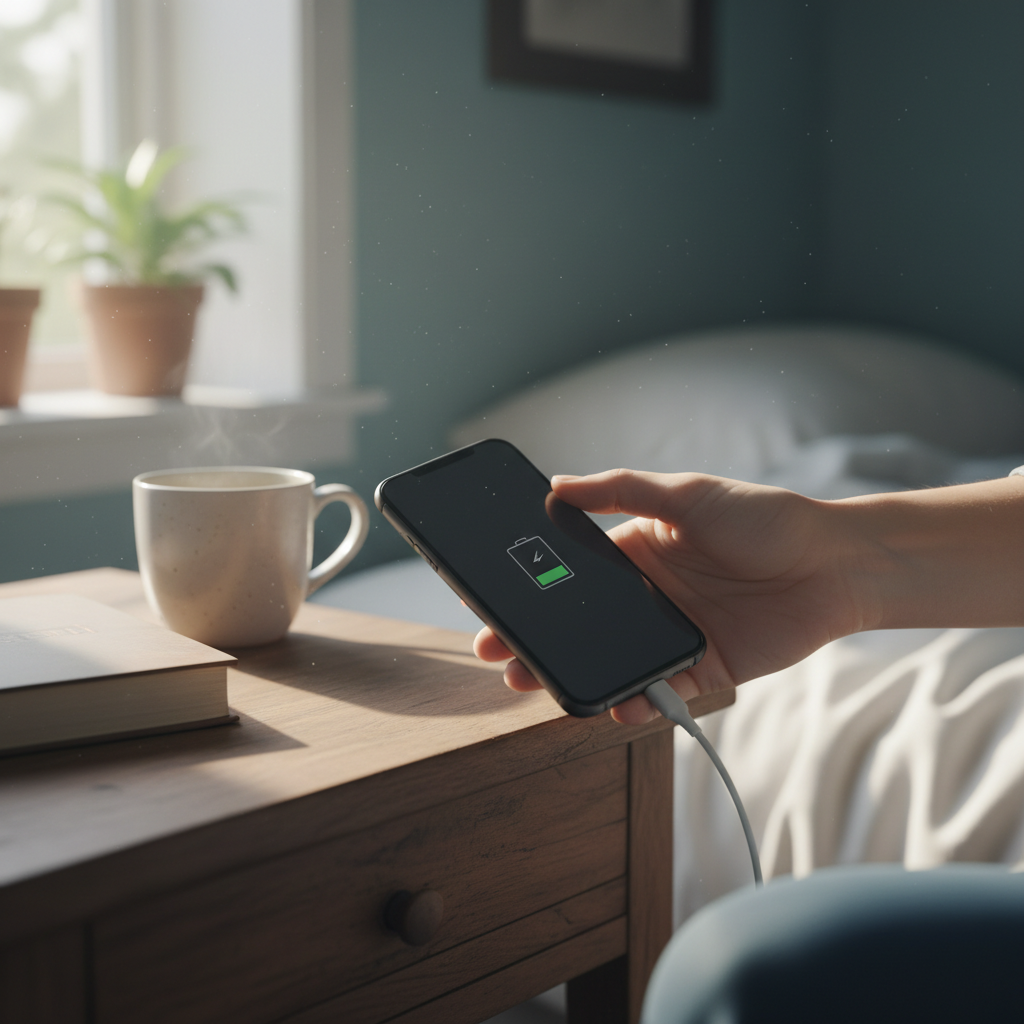
The Prevailing Belief: “Overnight Charging Kills Your Battery”
The core of this myth lies in the fear of overcharging. The idea is that leaving your phone plugged in after it reaches 100% will cause it to continue drawing power, leading to overheating, battery degradation, and ultimately, a shorter lifespan. Many people believe that constantly topping up the battery, or charging it beyond 100%, is actively damaging the battery.
This belief makes sense on the surface. We’re wired to protect our investments, and the battery is a critical, often-expensive component of our phones. It feels logical that forcing more energy into something already full would cause damage. Plus, the older Ni-Cad batteries *did* have a memory effect and could be damaged by being topped off. However, the technology has changed.
Why Does This Myth Persist?
Several factors contribute to the endurance of this myth:
- Fear of the unknown: Batteries are complex, and we often don’t understand how they work. This lack of understanding breeds assumptions and myths.
- Old Technology: As mentioned, the concerns of overcharging and memory effects were valid with older battery technologies. This legacy has carried over, even though modern Lithium-ion batteries function differently.
- Misinformation: Tech blogs, social media, and word-of-mouth spread inaccurate information that reinforces the myth.
- Confirmation Bias: If someone *thinks* their battery is damaged, they might look for evidence to support their belief, even if the actual cause is different (e.g., normal wear and tear).
The anxiety around battery care is understandable. No one wants to shorten the lifespan of their expensive phone. This fear, coupled with the legacy of older battery technology, has created the perfect conditions for the myth to thrive.
What Actually Happens in Real Life: Modern Batteries and Charging
The reality is that modern smartphones, tablets, and laptops use Lithium-ion batteries and sophisticated charging circuits. These circuits are designed to prevent overcharging. Here’s a breakdown of what happens when you plug in your phone:
- Reaching 100%: When your phone reaches 100%, the charging circuit automatically cuts off the flow of electricity to the battery itself.
- Trickle Charge: A small amount of power may continue to flow to keep the phone running and maintain the 100% charge. This is a very minimal amount.
- No Damage from Overnight Charging: Since the charging circuit manages the process, leaving your phone plugged in overnight won’t cause damage. The phone will simply stop charging when it’s full.
The battery will eventually drain slightly, and the charger will provide a trickle charge. This is a very different scenario from older batteries that would continue to receive a full charge even when they were already full. It’s safe to plug your phone in at night.
Common Misunderstandings Debunked
Let’s address some specific misunderstandings:
- Myth: “Charging to 100% is bad for your battery.” This isn’t entirely true. While extreme high and low states of charge can degrade a Lithium-ion battery over time, charging to 100% is generally not a problem. The phone’s charging system is designed to handle this.
- Myth: “You should only charge your phone when it’s dead.” This is also a myth. Modern batteries perform best when kept between 20% and 80% charge. Charging in small increments throughout the day is actually better for battery health than letting it drain completely.
- Myth: “Fast charging always damages your battery.” Fast charging does generate more heat, which can potentially accelerate battery degradation. However, modern fast-charging systems are designed to manage heat and regulate the charging process to minimize damage. The convenience often outweighs the slight risk.
What Matters Instead: The Real Factors Affecting Battery Life
While overnight charging isn’t a significant concern, several other factors do impact your battery’s lifespan:
- Heat: Heat is the number one enemy of Lithium-ion batteries. Avoid exposing your phone to extreme temperatures (e.g., leaving it in a hot car).
- Deep Discharges: Regularly draining your battery to 0% can shorten its lifespan. Try to avoid letting it get that low.
- High Voltage: Constantly charging to 100% can slightly reduce the battery life over the long term. Consider charging only to 80-90% most of the time.
- Charging Habits: Charging in small increments is generally better than letting the battery drain completely. Aim to keep the battery between 20-80%.
- Age: Like all batteries, Lithium-ion batteries degrade over time due to chemical processes. This is unavoidable, but proper care can slow down the process.
In addition to these factors, it’s also worth considering:
- The Quality of the Charger: Use a charger that is designed for your phone. Avoid using cheap, generic chargers, which might not have the same safety features.
- Operating System and Apps: Keep your phone’s operating system updated, as updates often include battery optimization improvements. Also, monitor battery usage in your phone’s settings to identify apps that are draining the battery excessively.
2026 Relevance and Beyond: What’s Changed?
In 2026, the basic principles of battery care remain the same, but a few trends are worth noting:
- Improved Battery Technology: Battery technology continues to advance. Newer batteries are being developed that are more resistant to degradation and can withstand more charge cycles.
- Focus on Sustainability: There’s a growing emphasis on extending the lifespan of electronics to reduce electronic waste. Battery care is becoming more important from an environmental perspective.
- Software Optimization: Phone manufacturers are increasingly implementing software features to optimize charging and battery performance. Some phones now have “adaptive charging” features that learn your charging habits and adjust the charging speed accordingly.
The fundamentals remain constant. Avoid extreme temperatures and deep discharges. Prioritize good charging habits, and use a reliable charger. This proactive approach will help you get the most out of your battery’s life, even as technology continues to evolve.
Clear Takeaway: Charge Smart, Not Scared
The “perfect” phone charge is more myth than reality. There’s no need to stress about overnight charging or charging habits. Charge your phone when it’s convenient, using a reliable charger. The most important things are to avoid extreme heat and deep discharges, and to develop good charging habits overall.
Rather than fearing your charger, focus on the factors that truly affect battery health. By taking a few simple steps, you can ensure that your phone’s battery lasts longer, giving you peace of mind and more time enjoying your device.
For more insights, check out The Quiet Hijack: How Phone Notifications Changed Our Days. The constant buzz of notifications also affects how often we charge our phones!
FAQ: Debunking Battery Myths
Here are some frequently asked questions about phone batteries:
Is it bad to charge my phone to 100%?
Charging to 100% is generally not harmful, as modern phones have charging circuits that stop the flow of electricity when full. However, if you want to extend battery life, it is best practice to keep your battery charged between 20-80%.
Should I let my phone die completely before charging it?
No. Letting your phone die completely (0%) can actually reduce the lifespan of your battery. It’s better to charge it more frequently, even in small increments, and to avoid letting it drop below 20%.
Does fast charging damage my battery?
Fast charging can generate more heat, which might slightly accelerate battery degradation. However, modern fast-charging systems are designed to manage heat and regulate charging. The convenience usually outweighs the small risk.
How long does a phone battery last?
The lifespan of a Lithium-ion battery varies depending on usage, charging habits, and environmental factors. Generally, a phone battery is designed to last for several years, but its capacity will gradually decrease over time. The best way to extend the life of your battery is to avoid extreme temperatures, to avoid deep discharges, and to charge it frequently.
Will using a different charger damage my phone?
It’s best to use the charger that came with your phone or a charger from a reputable brand that is designed for your phone model. Generic or low-quality chargers might not have the same safety features and could potentially damage your battery or phone.
Is it okay to charge my phone in the car?
Yes, charging your phone in the car is generally safe, as long as you use a reliable car charger. Be aware that the temperature inside a car can fluctuate, and extreme heat can negatively affect your battery.
What is the best way to charge my phone?
The best way to charge your phone is to charge it frequently, when the battery is between 20% and 80%, using a reliable charger and avoiding extreme temperatures. Keeping your phone cool and avoiding deep discharges are key factors in extending its life.
For more about the evolving landscape of everyday tech, explore Josephs Well.