Every morning, you wake up, brush your teeth, and head off to work or start your day at home. You might grab a quick coffee, check your emails, and then dive into your routine. But have you ever stopped to consider the hidden dangers lurking in your everyday life? These are the unseen risks that can impact your safety, your time, and your finances. In this guide, we’ll explore some of these overlooked hazards and offer simple solutions to help you make your home a safer and more efficient space.
The Daily Grind and Hidden Inefficiencies
Think about your typical weekday. You probably have a set routine: wake up, get ready, eat breakfast, commute, work, and then repeat the process in reverse. During this routine, small inefficiencies and potential hazards often go unnoticed. For instance, the way you store your cleaning supplies, the condition of your smoke detectors, or even the layout of your furniture can all contribute to potential risks.
Consider the energy drain from appliances left on standby, or the time wasted searching for misplaced items. These seemingly minor issues can add up, creating a less efficient and potentially hazardous environment. One of the best ways to combat these issues is to implement a smart home system. These can be as simple as smart plugs to turn off appliances when they are not in use.
Overlooked Hazards and Their Consequences
Many homes contain potential dangers that are often overlooked. Here are a few examples:
- Fire Hazards: Old wiring, overloaded outlets, and flammable materials stored near heat sources are all common fire risks. The American Red Cross highlights the importance of working smoke alarms and fire escape plans.
- Security Risks: Weak door locks, unsecured windows, and inadequate outdoor lighting can make your home vulnerable to break-ins.
- Health Hazards: Poor indoor air quality, the presence of mold, and the improper storage of chemicals can all pose health risks.
- Trip and Fall Hazards: Loose rugs, cluttered walkways, and poor lighting can increase the risk of falls, especially for children and the elderly.
The consequences of these hazards can range from minor inconveniences to serious injuries or even loss of life. Fires can cause devastating damage, while home intrusions can lead to the loss of valuables and a feeling of insecurity. Falls can result in broken bones and other injuries, and health hazards can lead to long-term health problems. Many accidents happen in the home, and some of the dangers are hiding in plain sight.
Breaking Bad Habits: What You Might Be Doing Wrong
Often, the risks we face are the result of bad habits. Here are some common mistakes and how to correct them:
- Ignoring Smoke Detectors: Failing to test and maintain smoke detectors is a dangerous oversight. Replace batteries regularly and replace the entire unit every 10 years.
- Leaving Doors Unlocked: Leaving doors unlocked, even for a short time, increases the risk of a break-in.
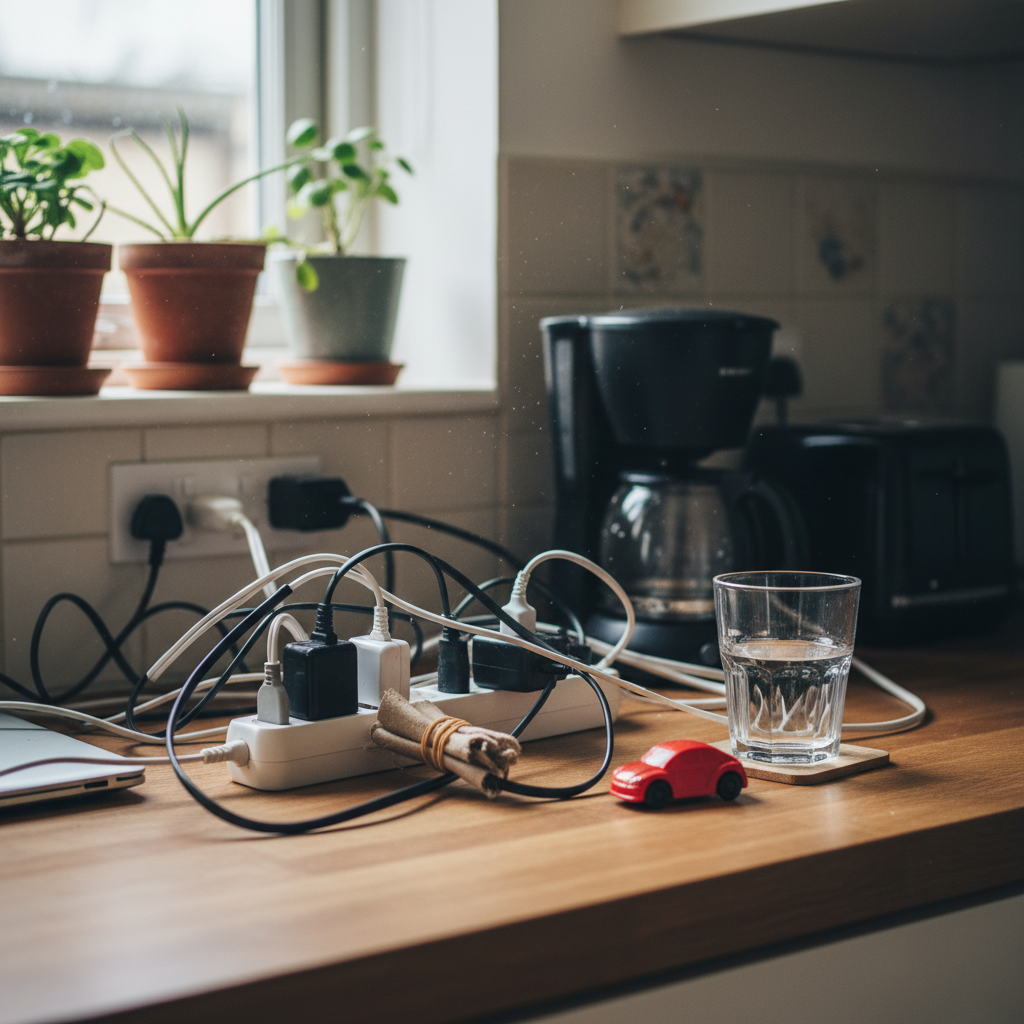
- Overloading Outlets: Plugging too many devices into a single outlet can create a fire hazard.
- Storing Flammable Materials Improperly: Gasoline, paint thinner, and other flammable materials should be stored in a cool, dry place away from heat sources.
- Neglecting Home Security: Ignoring potential security weaknesses like outdated locks or inadequate lighting makes your home a target.
System-Level Improvements: Simple Solutions for a Safer Home
The good news is that many improvements can be made to create a safer and more efficient home. Here are some system-level improvements you can implement:
- Install Smart Home Devices: Smart home devices like video doorbells, smart locks, and smart plugs can enhance both safety and efficiency. A smart video doorbell provides real-time monitoring. Smart plugs can help you manage energy consumption.
- Upgrade Your Locks: Replace old locks with high-quality deadbolts and consider adding a door chain and a peephole for added security.
- Improve Lighting: Ensure that the front, rear, and sides of your home are well-lit. Consider motion-sensor lights for extra security.
- Create a Fire Escape Plan: Have a fire escape plan with multiple exit routes and practice it regularly.
- Secure Your Windows: Install locks on all windows, especially ground-floor and basement windows.
- Regularly Inspect and Maintain Appliances: Schedule regular inspections for your furnace and other appliances. Change filters as needed.
Modern Lifestyle Relevance: Safety in a Fast-Paced World
In today’s fast-paced world, it’s easy to overlook these seemingly minor details. However, taking the time to implement these system-level improvements can make a significant difference. Smart home technology provides added convenience. You can monitor your home’s security from anywhere. By automating tasks and creating a safer environment, you can reduce stress and improve your overall quality of life. Be proactive and regularly assess and improve the safety of your home.
Long-Term Peace and Convenience Benefits
Investing in your home’s safety and efficiency offers significant long-term benefits:
- Reduced Risk: You’ll reduce the risk of fire, theft, and other hazards, providing greater peace of mind.
- Increased Efficiency: By optimizing your home’s systems, you can save time, energy, and money.
- Enhanced Comfort: A safer and more efficient home is a more comfortable place to live.
- Improved Property Value: Safety and efficiency improvements can increase your home’s value.
In the long run, these benefits will create a more secure, convenient, and enjoyable living environment.
SEO-Optimized FAQs
Here are some frequently asked questions to provide even more value for readers:
- How often should I test my smoke detectors?
Test your smoke detectors monthly and replace the batteries at least once a year, or when the alarm signals a low battery. - How can I improve my home’s security on a budget?
Start by securing entry points (doors and windows), installing a smart video doorbell, adding security cameras, and using simple security systems. - What are the most common home safety hazards?
Some of the most common home safety hazards include fire, falls, poisoning, and carbon monoxide poisoning. - How can I prevent falls in my home?
Remove trip hazards like loose rugs and clutter. Ensure good lighting, especially in stairwells. - What is the average cost of home insurance?
The average cost of homeowners insurance in the U.S. is about $2,110 per year. - How can I create a fire escape plan?
Have at least two escape routes from each room, designate a meeting place outside, and practice the plan regularly. - How often should I replace my smoke detectors?
Replace smoke alarms that are over ten years old. - Where should I store flammable materials?
Store flammable materials like gasoline and paint thinner in a cool, dry place away from heat sources.
Conclusion
By addressing the unseen risks in your home, you can create a safer, more efficient, and more enjoyable living space. From simple upgrades to improved habits, small changes can have a significant impact on your daily life. Taking the time to assess your home’s safety and efficiency is an investment in your well-being.
Remember, safety and efficiency go hand in hand. With a few thoughtful changes, you can transform your home into a true sanctuary.
For more information on improving your lifestyle, visit Josephs Well. Learn how to maintain your focus and productivity in our related article, The Scroll: How Endless Feeds Rewired Our Attention.