Every morning, the same routine unfolds. You wake up, stumble to the kitchen, and switch on the coffee maker. After a quick breakfast, you head out, perhaps leaving the TV on “standby.” Throughout the day, lights are left on in empty rooms, and chargers remain plugged in, even when your devices are fully charged. These seemingly insignificant habits contribute to a hidden energy drain, slowly but steadily impacting your wallet and the environment. This article delves into the often-overlooked sources of energy waste in your home, common bad habits, and practical solutions for a more efficient and sustainable lifestyle.
The Inefficiencies of the Everyday
Most of us aren’t intentionally wasting energy, yet everyday actions contribute to significant power consumption. Consider these common scenarios:
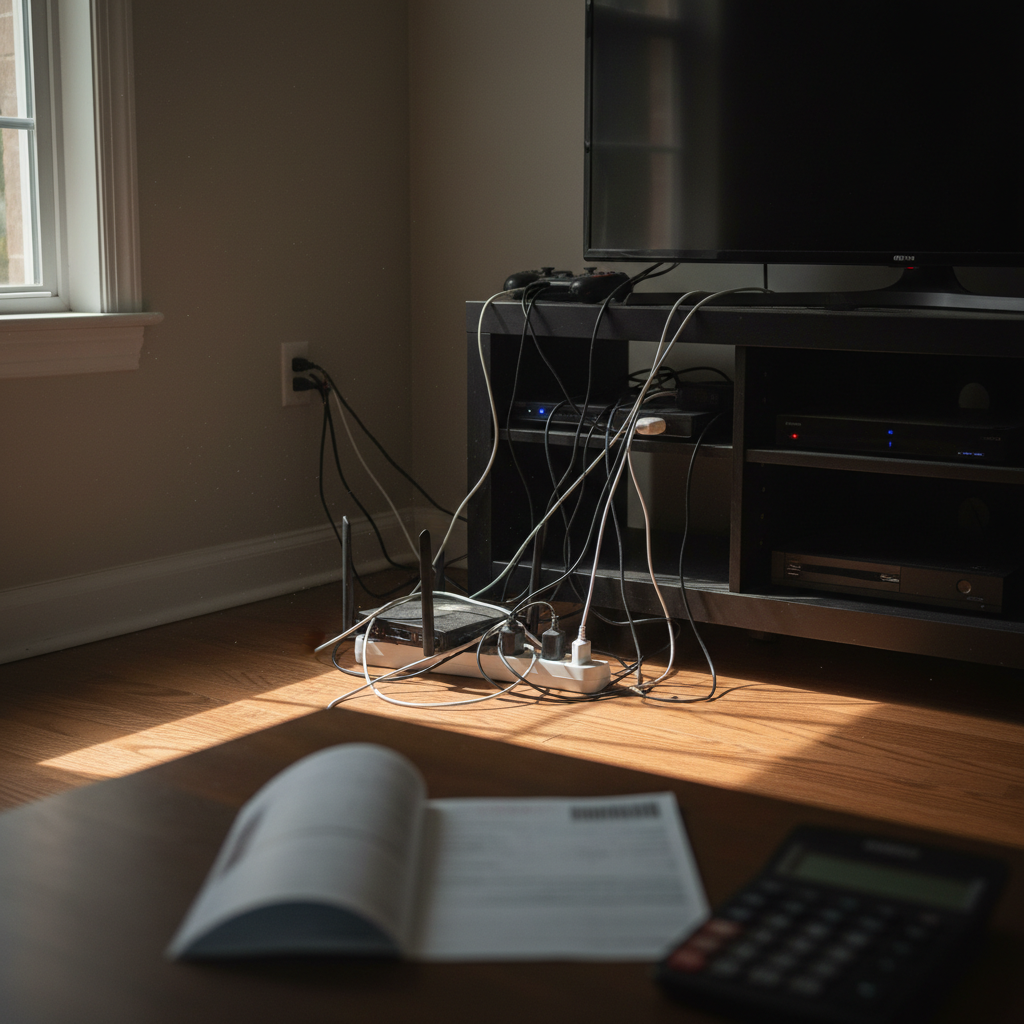
* **”Phantom Loads”:** Devices that are turned off, but still plugged in, continue to draw power. This includes TVs, computers, game consoles, and phone chargers.
* **Lighting Habits:** Leaving lights on in unoccupied rooms is a classic energy waster.
* **Heating and Cooling Mismanagement:** Setting the thermostat too high in winter or too low in summer, or failing to adjust it when you’re away.
* **Appliance Usage:** Running appliances like dishwashers and washing machines at off-peak hours can be a good habit. However, running them with partial loads or using the wrong water settings wastes energy.
These small actions add up over time, creating a cumulative effect that can significantly inflate your energy bills.
Why We Overlook Energy Waste
Several factors contribute to our collective oversight of energy consumption:
* **Invisibility:** Unlike a leaky faucet, energy waste isn’t immediately visible. We don’t see the electricity “flowing” out of our outlets.
* **Habit:** Many energy-wasting habits are ingrained in our daily routines.
* **Lack of Awareness:** Many people are unaware of the energy consumption of various devices and appliances.
* **Complexity:** The energy grid and the way we pay for electricity can seem confusing.
The Risks and Inefficiencies Involved
Beyond the financial impact, energy waste has significant consequences:
* **Higher Utility Bills:** Unnecessary energy consumption directly translates to higher electricity and gas bills.
* **Environmental Impact:** Wasted energy contributes to increased greenhouse gas emissions, exacerbating climate change.
* **Reduced Comfort:** Poorly insulated homes or inefficient HVAC systems can lead to uncomfortable living conditions.
Common, Yet Incorrect Habits
Identifying and correcting these habits is the first step toward a more efficient home:
* **Leaving Devices on Standby:** Unplugging chargers and electronics when not in use can prevent phantom loads.
* **Over-reliance on Incandescent Bulbs:** Incandescent light bulbs use considerably more energy than LED alternatives.
* **Neglecting Insulation and Drafts:** Failing to seal air leaks around windows, doors, and other areas of the house results in energy loss.
* **Ignoring Appliance Efficiency:** Using outdated appliances and running them inefficiently can significantly increase energy consumption.
Simple System-Level Improvements
Implementing some straightforward changes can have a huge impact on your home’s energy efficiency:
* **Embrace Smart Plugs:** Smart plugs allow you to remotely control devices, set schedules, and monitor energy usage. This helps to eliminate phantom loads. You can check out recommendations like the Tapo P110M Matter Smart Plug or the Emporia Smart Plug.
* **Upgrade to LED Lighting:** Replace traditional light bulbs with energy-efficient LEDs. LEDs use up to 75% less energy and last much longer.
* **Install a Smart Thermostat:** Smart thermostats learn your habits and adjust the temperature automatically, reducing energy consumption.
* **Improve Insulation and Seal Air Leaks:** Caulk around windows and doors, add weatherstripping, and ensure proper insulation in your attic and walls.
* **Service Your HVAC System:** Regular maintenance of your heating, ventilation, and air conditioning system (HVAC) ensures optimal performance and efficiency.
Relevance in the Modern Lifestyle
In today’s fast-paced world, energy efficiency is more important than ever. With the rise of smart home technology, it’s becoming easier to automate and optimize your energy usage. The use of smart home devices allows you to control your home’s energy consumption from your smartphone, ensuring that you’re only using energy when needed. You can create a more comfortable, convenient, and environmentally conscious living space by adopting energy-saving practices.
Long-Term Peace and Convenience Benefits
Adopting energy-efficient habits and making smart home upgrades yields long-term benefits:
* **Reduced Stress:** Lower energy bills translate to financial peace of mind.
* **Increased Comfort:** A well-insulated home and efficient HVAC system create a more comfortable living environment.
* **Environmental Responsibility:** Reducing your carbon footprint contributes to a more sustainable future.
* **Convenience:** Smart home technology simplifies energy management, making it easier to control your home’s energy consumption.
Frequently Asked Questions (FAQ)
Here are some answers to common questions about saving energy at home:
**Q: How much money can I save by switching to LED light bulbs?**
A: Replacing your home’s five most frequently used light fixtures or bulbs with models that have an Energy Star rating means a savings of $75 each year, according to the U.S. Department of Energy.
**Q: Are smart plugs worth the investment?**
A: Smart plugs are a cost-effective way to reduce energy waste. They allow you to control devices remotely, set schedules, and monitor energy usage, helping you eliminate phantom loads and save money on your energy bill.
**Q: How can I identify drafts in my home?**
A: Hold a lit incense stick or a candle near windows and doors. If the smoke or flame flickers, you have a draft. You can also feel for drafts with your hand.
**Q: What is the best temperature to set my thermostat?**
A: The ideal temperature depends on your personal preferences, but setting your thermostat to 68°F (20°C) in the winter and 78°F (26°C) in the summer is a good starting point. You can save up to 10% annually on heating and cooling by adjusting your thermostat by 7–10°F for 8 hours a day.
**Q: How often should I service my HVAC system?**
A: It’s recommended to have your HVAC system serviced at least once a year by a qualified professional.
**Q: Where do I start to improve my home’s energy efficiency?**
A: Start by conducting a home energy assessment. This can identify areas of energy waste and prioritize areas to improve, such as drafts and old appliances. Install a smart thermostat, and upgrade to LED lighting to get the biggest savings quickly.
**Q: Which smart plug is best?**
A: Recommendations include the TP-Link Kasa KP125M (great for overall use), the Emporia Smart Plug (excellent for energy monitoring), and the Tapo P110M Matter Smart Plug (affordable and versatile).
**Q: Does unplugging appliances really make a difference?**
A: Yes! Unplugging appliances, particularly electronics like TVs, game consoles, and chargers, can prevent “phantom loads” that waste energy even when devices are off.
Conclusion
Unmasking and addressing hidden energy waste in your home is a simple, effective step towards a more efficient and sustainable lifestyle. By understanding the common sources of waste, adopting energy-saving habits, and implementing smart home technologies, you can reduce your energy bills, enhance your comfort, and contribute to a healthier planet. Remember, small changes can lead to significant long-term benefits.
If you’re interested in making other smart living adjustments, you might be interested in our article: The Reflex Check: Why We Reach for Our Phones Without Thinking.