Our mornings often start with a familiar hum of activity, a carefully choreographed dance to get out the door. Coffee brews, toast pops, shoes are located, keys are found (or not), and out we go. But what if that seemingly smooth start is actually riddled with tiny, almost invisible inefficiencies? The misplaced wallet, the pile of mail that needs sorting, the extra five minutes spent searching for a specific charging cable – these small hiccups, when added up over weeks, months, and years, can quietly steal our time, drain our energy, and even introduce unnecessary stress into our lives.
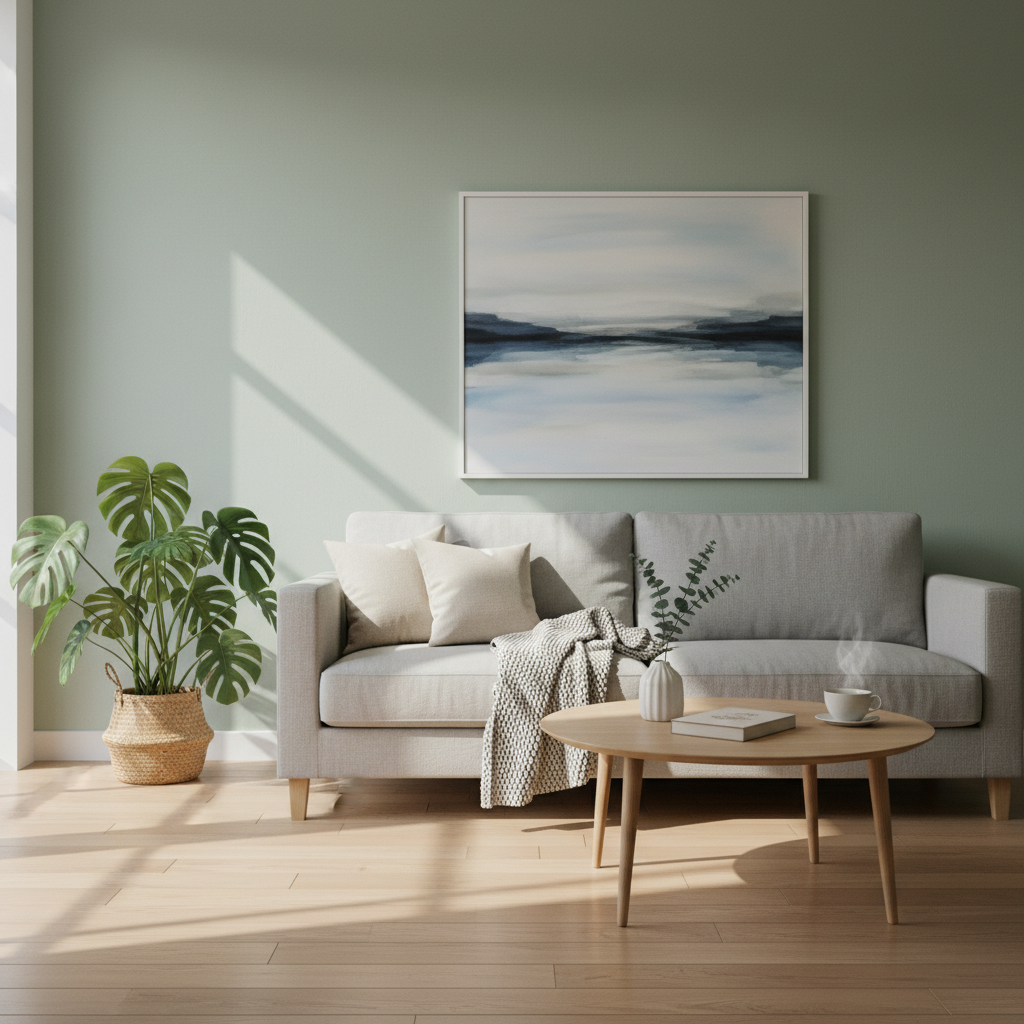
This is where the “smart living” philosophy truly shines. It’s not about grand gestures or radical lifestyle overhauls, but rather about understanding the subtle systems that govern our daily existence and optimizing them. One of the most potent, yet often overlooked, areas for improvement is our physical environment. A cluttered home isn’t just an aesthetic issue; it’s a direct contributor to mental fog, inefficiency, and even safety hazards.
## The Hidden Cost of Clutter: More Than Just Mess
We’ve all felt it. That vague sense of unease when walking into a room that’s overflowing with “stuff.” It’s more than just an eyesore; it’s a constant, low-level distraction that bombards our brains. Studies have shown that cluttered environments can increase stress hormone (cortisol) levels, leading to feelings of anxiety, overwhelm, and even depression. This isn’t just about feeling a bit stressed; a chronically cluttered home can contribute to a constant state of low-grade fight or flight, taxing our resources and impacting our physical health.
Why does this happen? Our brains are wired to seek order. When faced with disorganization, our cognitive resources are constantly being drained as our minds try to process the visual noise. This “cognitive overload” reduces our ability to focus, hampers our decision-making, and can even impact our working memory. Think about it: how much harder is it to concentrate on an important task when your workspace is piled high with papers and miscellaneous objects?
Beyond the mental strain, clutter actively works against efficiency. Misplaced items lead to wasted time searching, which, over time, amounts to significant lost hours. This inefficiency can snowball, making simple daily routines feel more arduous and contributing to a general sense of being overwhelmed.
### Common Culprits and Why We Overlook Them
What exactly constitutes clutter? It’s anything that doesn’t serve a purpose, doesn’t bring joy, or doesn’t have a designated place. This can range from the obvious – stacks of old magazines, overflowing closets – to the more insidious, like “aspirational clutter” (items bought with the intention of using them for a hobby that never quite takes off) or the “just in case” items we hold onto for years without ever needing them.
We overlook these accumulating items for several reasons:
* **Sentimental Value:** We attach emotional weight to objects, making it hard to let them go, even if they serve no practical purpose.
* **”Just in Case” Mentality:** The fear of needing something later can lead us to hoard items we rarely, if ever, use.
* **Overwhelm:** The sheer volume of clutter can make the task of decluttering seem insurmountable, leading to procrastination.
* **Habit:** We become accustomed to the way things are, and the disorganization fades into the background, becoming the “normal.”
* **Lack of Systems:** Without clear systems for organizing and maintaining order, clutter naturally accumulates.
## The Power of “Less Is More”: Reclaiming Your Space and Your Sanity
The good news is that decluttering isn’t about deprivation; it’s about liberation. By intentionally clearing our spaces, we create room not just physically, but mentally and emotionally. This process has profound benefits that ripple through every aspect of our lives.
### 1. Enhanced Mental Clarity and Reduced Stress
The most immediate benefit of decluttering is the calming effect it has on our minds. As we reduce external chaos, our internal environment becomes more peaceful. With fewer visual distractions, our brains can relax, leading to improved focus, better decision-making, and a greater sense of control. This reduction in mental noise can significantly boost mood, decrease anxiety, and foster a sense of accomplishment.
### 2. Increased Efficiency and Time Savings
When everything has a designated home, the time spent searching for misplaced items vanishes. This reclaimed time can be redirected to more meaningful activities. An organized space streamlines daily routines, making everything from getting ready in the morning to finding a specific document for work much faster and less frustrating. This efficiency extends to cleaning, too – less stuff means less to clean around, under, and behind.
### 3. Improved Safety and Reduced Hazards
Clutter isn’t just an inconvenience; it can be a genuine safety risk. Piles of items can block escape routes in case of fire or other emergencies. Electrical cords can become tripping hazards, and stored flammable materials near heat sources increase fire risk. In garages and storage areas, clutter can conceal issues like pest infestations or water damage, leading to more significant problems down the line. A decluttered home is a safer home, both for daily living and in emergency situations.
### 4. Greater Peace of Mind and Sense of Control
Living in an organized environment fosters a sense of order and control, which can be incredibly grounding, especially in our often chaotic lives. This sense of accomplishment can boost self-esteem and confidence, radiating into other areas of your life.
### 5. Financial Benefits
While not always obvious, decluttering can lead to financial savings. By knowing exactly what you own, you’re less likely to buy duplicates of items you already have. It also encourages more mindful consumption, as you become more aware of what you truly need and use.
## Simple Systems for Sustainable Decluttering: Practical Strategies
The idea of decluttering an entire home can feel overwhelming, especially for busy individuals. The key is to adopt simple, system-level improvements that can be integrated into your daily life.
### 1. The “Start Small” Approach
Don’t try to tackle everything at once. Begin with a single drawer, a shelf, or a small area like your entryway. The satisfaction of completing a small task provides momentum and motivation for the next step. Professional organizers often recommend the “15-minute win” or setting a timer for short bursts of decluttering.
### 2. The “One In, One Out” Rule
For every new item that enters your home, commit to removing a similar item. This simple habit helps prevent clutter from accumulating in the first place and maintains a balanced inventory of your belongings.
### 3. The “Everything Has a Home” Principle
Assign a specific, logical place for every item you own. When things have a designated spot, it’s easier to put them away and much harder for clutter to take root. This is particularly crucial for high-traffic items like keys, wallets, and mail.
### 4. Declutter as You Go
Integrate small decluttering actions into your existing routines.
* **Kitchen Counters:** Clear mail, bags, and random items at the end of each day.
* **Entryway:** Have a designated spot for shoes, keys, and bags. Hang coats immediately.
* **Bathroom:** Quickly toss expired products or half-used bottles during your morning routine.
* **Bedside Table/Desk:** Spend five minutes before bed or at the start of your workday tidying up.
### 5. The 4-Box Method (Keep, Donate, Trash, Relocate)
When tackling a larger area, use this simple method. As you go through items, place them into one of these four categories. This visual separation helps in making decisions and keeps the process organized.
### 6. Responsible Disposal
Decluttering shouldn’t create more waste. Consider these options:
* **Donate:** Give gently used clothing, books, and household items to local charities, shelters, or schools. Be mindful of what organizations actually need and can accept.
* **Sell:** For higher-value items, consider online marketplaces or consignment shops.
* **Repurpose/Upcycle:** Old t-shirts can become cleaning rags, jars can be used for storage, and old furniture can be given a new life with a fresh coat of paint.
* **Recycle:** Properly recycle items that cannot be reused. Check your local guidelines for what is accepted.
### 7. Digital Decluttering
Don’t forget your digital spaces! Unsubscribe from unnecessary emails, organize digital files, and unfollow social media accounts that no longer serve you. This digital tidiness can have a surprising impact on your mental clarity.
## Making it Stick: Maintaining a Clutter-Free Lifestyle
Once you’ve cleared your space, the real work is in maintaining it. This involves establishing consistent habits and a mindful approach to consumption.
* **Regular Mini-Declutters:** Schedule short, regular decluttering sessions – even 10 minutes a day can make a huge difference.
* **Mindful Consumption:** Before buying something new, ask yourself if you truly need it, if you have space for it, and if it will add value to your life. This “less stuff, more happiness” approach is central to smart living.
* **Embrace “Good Enough”:** Your home doesn’t need to be magazine-perfect. Aim for functional and peaceful, not flawless. Celebrate progress, not perfection.
By implementing these simple, system-level changes, you can transform your home from a source of stress and inefficiency into a sanctuary of calm, order, and safety. It’s a journey of small, consistent steps that lead to significant, long-term benefits – the very essence of smart living.
***
### Frequently Asked Questions (FAQs)
How much time should I dedicate to decluttering each day?
The beauty of decluttering for smart living is its flexibility. Even 10-15 minutes a day can yield significant results over time. Focus on consistency rather than marathon sessions. For example, dedicate 10 minutes before bed to tidying one specific area.
What if I have too many sentimental items to let go of?
This is common. Instead of discarding them immediately, try storing them in a designated “memory box.” Periodically review the contents of the box. Sometimes, the act of preserving them in a dedicated space makes it easier to let go of the everyday clutter. You can also take photos of sentimental items before donating them to keep the memory alive.
I feel overwhelmed by the sheer volume of my belongings. Where do I start?
Start small and focus on visible impact. Begin with a high-traffic area like your entryway or kitchen counter. Alternatively, tackle one drawer or shelf at a time. The psychological win of clearing even a small space can provide the motivation needed to continue.
How can I prevent clutter from accumulating again after I’ve decluttered?
The key is establishing systems and mindful habits. Implement the “one in, one out” rule, assign a home for everything, and practice mindful consumption. Regularly schedule short decluttering sessions to maintain order.
Is decluttering good for my mental health?
Yes, overwhelmingly so. Research consistently shows that decluttering reduces stress and anxiety, improves focus, boosts mood, and creates a sense of control and accomplishment. It’s like a mental reset button for your environment.
What are some sustainable ways to get rid of unwanted items?
Beyond just donating, consider selling items, repurposing them into new functional objects (like rags from old clothes), or recycling them responsibly according to your local guidelines. Many organizations are overwhelmed by donations, so be intentional about where you give.
Can decluttering actually improve my safety at home?
Absolutely. Clearing pathways reduces tripping hazards and improves escape routes in emergencies. Properly storing flammable materials and keeping electrical areas unobstructed minimizes fire risks. A decluttered home is a more secure and hazard-free environment.
I live in a small space. How can decluttering help me maximize it?
In small spaces, every item counts. Decluttering removes unnecessary items, making the space feel larger and more functional. Utilizing vertical space, multi-functional furniture, and assigning designated spots for everything are crucial strategies.