It’s a familiar scene: July in the suburbs. The sun is blazing, the air hangs heavy, and inside, the blessed hum of the air conditioner is the only sound you want to hear. But then, the bill arrives. Suddenly, that refreshing coolness comes with a hefty price tag. Air conditioning, once a luxury, is now a necessity for many, but are we using it wisely? Are we getting the most out of our systems, and are we prepared for the future of cooling? Let’s dive in.
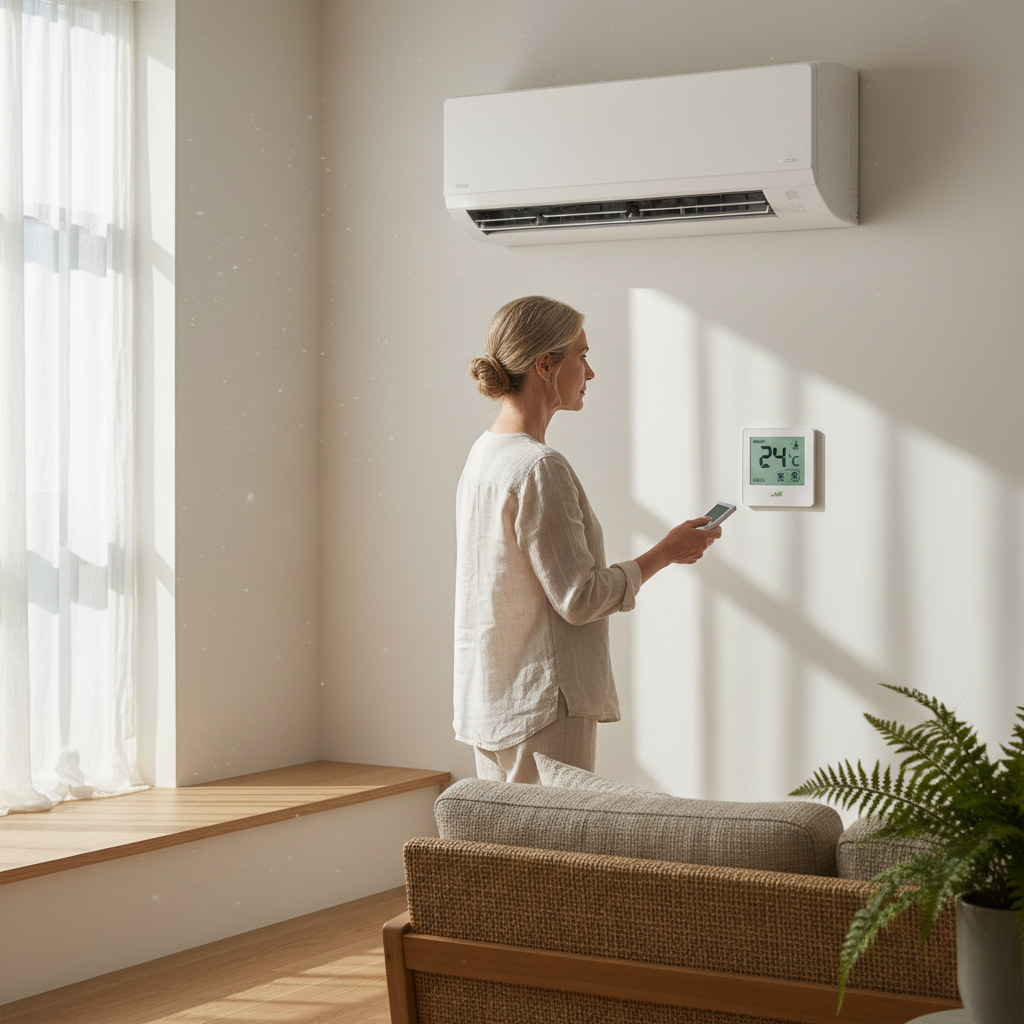
Why We Need Air Conditioning
The core function of an air conditioner (AC) is deceptively simple: to remove heat and humidity from your home, creating a comfortable indoor environment. This is achieved through a complex process involving refrigerant, coils, and a compressor. Here’s a quick breakdown:
- Refrigerant: This special fluid absorbs heat from the air inside your home.
- Evaporator Coil: The refrigerant absorbs heat from the air that is blown over the evaporator coil.
- Compressor: This pumps the refrigerant, compressing it and increasing its temperature.
- Condenser Coil: The hot refrigerant releases the heat outside your home through the condenser coil.
The cycle continues, drawing heat from inside and expelling it outside, leaving you with cool, dry air. As global temperatures rise and heat waves become more frequent, the demand for effective air conditioning is only going up. It’s no longer just about comfort; it’s about health, productivity, and even safety, especially for vulnerable populations.
Common Air Conditioner Misunderstandings and Misuses
Despite its importance, many homeowners unknowingly misuse their air conditioners, leading to inefficiencies, higher bills, and premature wear and tear. Here are some common mistakes:
- Setting the Thermostat Too Low: The idea of “cooling down” a room faster by setting the thermostat to a lower temperature is a myth. Your AC runs at the same speed regardless of the set temperature. This practice only leads to unnecessary energy consumption and higher bills.
- Neglecting Maintenance: Air conditioners need regular care. Ignoring filter changes, coil cleaning, and professional servicing is a recipe for reduced efficiency and potential breakdowns.
- Blocking Airflow: Closing vents in unused rooms or placing furniture in front of vents restricts airflow and makes the system work harder.
- Running AC with Open Windows and Doors: This is like trying to fill a bucket with a hole in it. You’re constantly losing cooled air and forcing your system to work overtime.
- Ignoring Warning Signs: Strange noises, inconsistent cooling, or rising energy bills are all indicators of a problem. Ignoring these signs can lead to bigger, more expensive repairs down the road.
Common Long-Term Air Conditioner Problems
Over time, even well-maintained air conditioners can develop issues. Being aware of these common problems can help you catch them early and prevent major headaches:
- Refrigerant Leaks: Refrigerant leaks are a common and serious problem, leading to reduced cooling capacity and potential compressor failure.
- Dirty Air Filters: Clogged filters restrict airflow, reducing efficiency and potentially causing the evaporator coil to freeze.
- Frozen Evaporator Coils: This can be caused by restricted airflow or low refrigerant levels.
- Compressor Failure: The compressor is the heart of the AC, and its failure can be a costly repair.
- Electrical Problems: Faulty wiring or capacitor issues can cause the unit to malfunction or fail.
Smart Usage and Maintenance Habits for 2026
Optimizing your AC usage and implementing a regular maintenance routine can significantly extend the life of your system and keep your energy bills in check. Here’s what you need to know for 2026:
- Change Your Filters Regularly: This is the single most important thing you can do to maintain your system’s efficiency. Check your filter every month, and replace it as needed.
- Schedule Professional Maintenance: An annual checkup by a qualified HVAC technician can identify and address potential problems before they become major issues. This includes cleaning coils, checking refrigerant levels, and inspecting electrical components.
- Use a Programmable Thermostat: Set your thermostat to a comfortable temperature and program it to automatically adjust when you’re away or asleep. Smart thermostats can also learn your habits and optimize your energy usage.
- Maximize Airflow: Ensure vents are clear of obstructions and open, and don’t close vents in unused rooms.
- Seal Air Leaks: Check windows and doors for drafts, and seal any leaks to prevent cooled air from escaping.
- Shade Your Home: Close blinds and curtains during the hottest parts of the day to reduce heat gain. Consider awnings on south-facing windows for extra protection.
- Keep the Outdoor Unit Clear: Trim back any plants or debris that might restrict airflow to the condenser unit.
- Consider a Home Warranty: A home warranty can help cover the cost of repairs or replacements, providing peace of mind.
Future-Proofing Your Air Conditioning: What Actually Matters
The air conditioning landscape is constantly evolving. Staying ahead of the curve involves understanding the trends and technologies that will shape the future of cooling:
- Smart Home Integration: Expect greater integration with smart home systems, allowing you to control your AC remotely, monitor energy usage, and even receive predictive maintenance alerts.
- Energy Efficiency: Look for systems with high Seasonal Energy Efficiency Ratio (SEER) ratings. Inverter technology is becoming more common, offering more efficient and consistent cooling.
- Eco-Friendly Refrigerants: The industry is moving towards refrigerants with lower global warming potential (GWP).
- Improved Air Quality: Many new AC units will include advanced air filtration systems, removing allergens, pollutants, and even viruses from the air.
- Zoned Cooling: Zoned systems allow you to cool only the areas of your home that you’re using, saving energy and providing personalized comfort.
The future of AC technology also includes solar-powered air conditioning. Solar air conditioners will use sunlight for cooling and companies like Panasonic and Mitsubishi are testing green cooling methods.
Frequently Asked Questions About Air Conditioning
Here are some of the most common questions homeowners have about their air conditioners:
How often should I have my air conditioner serviced?
An annual professional checkup is recommended to ensure your system is running efficiently and to catch any potential problems early on. This is best done before the cooling season begins.
How can I tell if my air conditioner is leaking refrigerant?
Look for brightly colored stains or oily residue near the unit. Also, reduced cooling capacity and unusually high energy bills can be signs of a leak. It’s best to have a professional diagnose and repair any refrigerant leaks.
Why is my air conditioner freezing up?
This can be caused by restricted airflow (dirty filter or blocked vents), low refrigerant levels, or dirty evaporator coils.
Should I close vents in unused rooms?
No. Closing vents can restrict airflow and potentially damage your system.
What is a SEER rating, and why is it important?
SEER (Seasonal Energy Efficiency Ratio) is a measure of an air conditioner’s cooling efficiency. A higher SEER rating indicates a more efficient system, which translates to lower energy bills.
How can I improve my indoor air quality with my air conditioner?
Make sure to change your air filter regularly and consider an air conditioner with advanced filtration features. Regular duct cleaning can also help.
Can I save money by turning off my air conditioner when I’m away from home?
For short absences, it’s generally more efficient to keep the AC running at a slightly higher temperature than to turn it completely off. For longer absences, you may want to raise the temperature setting. A programmable thermostat can automate this process.
What are the signs that I need to replace my air conditioner?
Frequent breakdowns, a significant drop in cooling performance, and a system that’s more than 10-15 years old are all indicators that it might be time for a replacement. Consider the cost of repairs versus the potential savings of a new, more efficient model.
By understanding how your air conditioner works, how to properly maintain it, and the trends shaping the future of cooling, you can ensure a comfortable, efficient, and cost-effective home environment. And remember, for more tips on home maintenance and energy efficiency, check out Josephs Well, your go-to resource for all things home tech.
Want to know more about keeping your home clean? Check out our related article: The Myth of the Clean Clean: Are Your Cleaning Products Actually Helping?.