Remember the days when a washing machine was just a washing machine? You’d load the clothes, add soap, and hope for the best. Fast forward to 2026, and we’re living in a world where appliances can talk to each other, learn your habits, and even order their own supplies. It’s a brave new world, and while the promise of a “smart home” is alluring, it’s also a landscape riddled with potential pitfalls. As a veteran of the home tech revolution, I’m here to offer some grounded advice on what smart upgrades actually deliver on their promises, and where you might want to tread with caution.
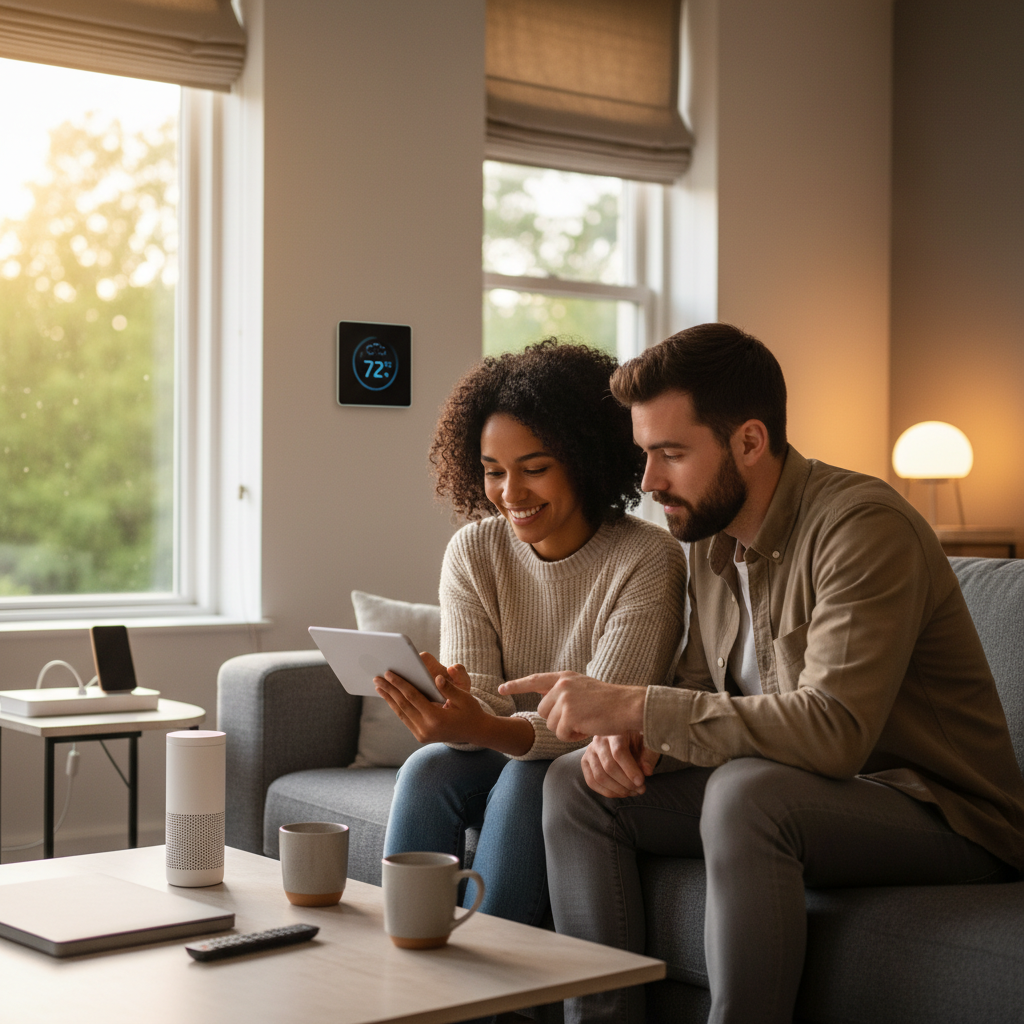
The Allure of the Upgrade: Why Go Smart?
The appeal of smart appliances is undeniable. They promise convenience, energy savings, and a level of control we never dreamed of a few decades ago. Imagine preheating your oven on your way home from work. Or, consider a refrigerator that not only keeps your food fresh but also tracks what you have and suggests recipes based on your inventory. Smart appliances can also send alerts to your phone if something goes wrong, like a door left ajar, potentially saving you from costly repairs.
Here’s a breakdown of the core benefits:
- Convenience: Control appliances remotely via apps or voice assistants.
- Energy Efficiency: Optimize energy usage and potentially lower utility bills.
- Automation: Automate tasks like turning lights on/off or adjusting the thermostat.
- Monitoring & Alerts: Receive notifications about maintenance needs or potential issues.
The Reality Check: Common Problems and Misconceptions
Before you rush out and replace every appliance in your house, let’s talk reality. Smart technology isn’t always smooth sailing. Here are some common problems and misconceptions to be aware of:
- The Complexity Factor: Smart appliances often require a Wi-Fi connection and a smartphone app. This adds another layer of potential issues, from network glitches to software updates that can disrupt functionality. Not everyone is tech-savvy, and setting up and troubleshooting these devices can be frustrating.
- The Security Risk: Any device connected to the internet is vulnerable to hacking. While manufacturers are working hard to improve security, there’s always a risk of unauthorized access and data breaches.
- The “Smart” Overload: Having too many connected devices can create a confusing and overwhelming smart home ecosystem. It can be difficult to manage and coordinate all the different apps and features.
- The “Planned Obsolescence” Issue: Some smart appliances have a shorter lifespan than their traditional counterparts. As technology evolves, older models may become unsupported or incompatible with newer systems, forcing you to replace them sooner than you’d like.
Smart Habits for the Long Haul: Making the Most of Your Upgrades
So, how do you navigate this landscape and make smart home technology work for you? Here are some smart habits and maintenance tips for long-term success:
- Prioritize Practicality: Start with appliances that address your biggest pain points. A smart oven might be great, but if you rarely cook, it might not be worth the investment. Think about what will genuinely improve your daily life.
- Focus on Reliability: Look for brands with a solid reputation for quality and customer support. Read reviews and consider the long-term reliability of the product before purchasing.
- Secure Your Network: Use a strong, unique password for your Wi-Fi network. Keep your router’s firmware updated, and consider using a separate network for your smart devices to isolate them from your primary network.
- Embrace Regular Maintenance: Just like any appliance, smart devices require maintenance. Keep software up to date, clean the devices regularly (dust can affect sensors), and follow the manufacturer’s recommendations. For example, clean refrigerator coils annually and clean lint filters after every dryer use. You could also schedule regular professional check-ups.
- Don’t Overdo It: It’s easy to get carried away with the latest gadgets. Focus on integrating smart devices gradually and thoughtfully.
- Consider Future-Proofing: Look for appliances that are compatible with open standards, such as Matter, which will allow for greater interoperability between different brands and devices. This can help prevent the “walled garden” effect, where your devices only work with each other.
The Future-Ready Home: What Actually Matters in 2026 and Beyond
Looking ahead, what aspects of smart home tech are truly worth focusing on? Here are some trends that will continue to shape the future of home appliances:
- Energy Efficiency: With rising energy costs and growing environmental concerns, energy-efficient appliances will be increasingly important. Look for features like heat pump technology in dryers and induction cooking ranges.
- AI Integration: Artificial intelligence will play a bigger role in making appliances smarter and more intuitive. Expect appliances that learn your habits, suggest recipes, and even order supplies automatically.
- Seamless Integration: The goal is a truly connected home, where devices work together seamlessly. Look for appliances that integrate with popular smart home platforms and offer easy control through voice assistants.
- Durability & Repairability: The industry is moving toward more repair-friendly designs and easier access to parts, extending the lifespan of appliances.
- Customization & Personalization: As consumers seek personalized experiences, expect appliances to offer customization options.
FAQs: Your Questions Answered
Here are some frequently asked questions about smart appliances and home technology in 2026:
Are smart appliances worth the extra cost?
That depends on your needs and priorities. If you value convenience, energy savings, and advanced features, they can be a worthwhile investment. However, consider the higher upfront cost, potential security concerns, and the need for regular maintenance. Start small and prioritize the features that will truly benefit your lifestyle.
How can I protect my smart home from hackers?
Use strong, unique passwords for your Wi-Fi network and all your smart devices. Keep your router’s firmware updated and consider creating a separate network for your smart devices. Regularly check your devices’ security settings and be cautious about granting access to third-party apps.
What are some must-have smart home upgrades?
It depends on your lifestyle. A smart thermostat can save energy, while smart lighting can improve your mood and well-being. Smart kitchen appliances can offer convenience. Always consider your needs and preferences when making upgrades.
How often should I update the software on my smart appliances?
Keep your devices up-to-date. Enable automatic updates whenever possible, and check for updates manually on a monthly basis. Firmware updates often include security patches and performance improvements.
What should I do if my smart appliance stops working?
Check the user manual and the manufacturer’s website for troubleshooting tips. Contact customer support if you can’t resolve the issue on your own. Consider whether the appliance is still under warranty.
Are smart appliances more prone to breaking down?
While smart appliances offer advanced features, they can also be more complex. They have more electronic components and software, which can increase the potential for problems. However, manufacturers are constantly working to improve reliability. Proper maintenance and care are essential.
Where can I find help with my smart home setup?
Start with the manufacturer’s website and support resources. You can also find tutorials and troubleshooting guides online. Consider hiring a professional installer if you need assistance with complex setups. You may also want to explore articles like Conquer the Chaos: A Smart Living Guide to Home Organization to get your home ready for smart technology.
The Bottom Line
Smart home technology offers incredible potential, but it’s not a magic bullet. By approaching upgrades with a critical eye, prioritizing practicality, and embracing smart habits, you can create a connected home that truly enhances your life. Remember, the goal is to make technology work for you, not the other way around. With careful planning and ongoing maintenance, your smart home can become a source of convenience, efficiency, and peace of mind for years to come.