Every morning, the same routine unfolds. You wake up, maybe brew a coffee, take a shower, and head off to work. The lights flicker on, the thermostat adjusts to your preferred temperature, and various appliances hum to life. We all have routines, and they’re essential for a smooth-running life. But what if your daily habits, the ones you barely think about, are quietly draining your bank account and contributing to long-term discomfort? This article is about uncovering the hidden costs lurking in your home’s energy consumption and how simple, actionable changes can create significant savings and enhance your everyday life.
The Everyday Energy Drain: Where are you Losing Money?
Let’s break down a typical day and identify the common culprits of energy waste:
* **Morning Rush:** The moment the alarm goes off, the lights are switched on, and perhaps the electric water heater kicks in for that morning shower.
* **Daytime Departure:** Before leaving for work, you likely switch off lights and adjust the thermostat, hoping to conserve energy. But are you sure everything is off?
* **Evening Return:** The cycle repeats – lights, appliances, entertainment systems.
While these actions seem harmless, the collective impact can be substantial. The key is to understand where your home is losing energy, and it’s often in places you least suspect.
Common Overlooked Energy Wasters:
* **Phantom Loads:** Many devices continue to consume energy even when turned off. Televisions, game consoles, and phone chargers quietly draw power in standby mode, adding up over time. Some estimates suggest that phantom loads can account for as much as 10% of a home’s total electricity use.
* **Inefficient Lighting:** Old incandescent bulbs convert most of their energy into heat instead of light. Upgrading to LEDs can dramatically reduce energy consumption, with some estimates suggesting savings of 75% or more.
* **Air Leaks:** Drafty windows and doors, poorly insulated attics, and gaps around pipes and vents allow heated or cooled air to escape, forcing your HVAC system to work harder.
* **Appliance Inefficiency:** Older appliances, especially refrigerators and freezers, are often less energy-efficient than modern models.
* **Heating and Cooling Mismanagement:** Setting the thermostat too high in winter or too low in summer, and failing to maintain your HVAC system can lead to significant energy waste.
The Risks and Inefficiencies Involved
Ignoring these energy drains has several negative consequences, extending beyond a higher electricity bill:
* **Financial Strain:** Increased energy consumption directly translates to higher utility bills, potentially impacting your budget and limiting your financial flexibility. The average U.S. electric bill in November 2025 was $153.44. With energy prices fluctuating, those costs will likely rise.
* **Environmental Impact:** Higher energy consumption contributes to increased greenhouse gas emissions, exacerbating climate change. Reducing your energy footprint is a key step towards a more sustainable lifestyle.
* **Reduced Comfort:** Drafts, uneven temperatures, and inefficient appliances can diminish your home’s comfort, making it less enjoyable to live in.
* **Premature Appliance Failure:** Overworked HVAC systems and appliances forced to run longer due to inefficiencies may experience accelerated wear and tear, leading to costly repairs or replacements.
Common Wrong Habits and Misconceptions
Many people unknowingly engage in energy-wasting habits. Here are some of the most common:
* **Leaving Lights On:** Leaving lights on in empty rooms is a pervasive habit, often fueled by forgetfulness or a sense of security.
* **Over-reliance on Heating and Cooling:** Setting the thermostat too high in winter or too low in summer, or failing to use programmable thermostats to adjust temperatures when away, can waste significant energy.
* **Neglecting Appliance Maintenance:** Skipping regular maintenance on appliances, such as cleaning refrigerator coils or changing HVAC filters, reduces their efficiency.
* **Ignoring Air Leaks:** Failing to address drafts around windows and doors, or poorly insulated areas, leads to unnecessary energy loss.
* **Using Hot Water for Laundry:** Washing clothes in hot water, instead of cold, consumes significantly more energy.
System-Level Improvements for Immediate Impact
The good news is that you can implement system-level improvements to dramatically reduce your home’s energy consumption.
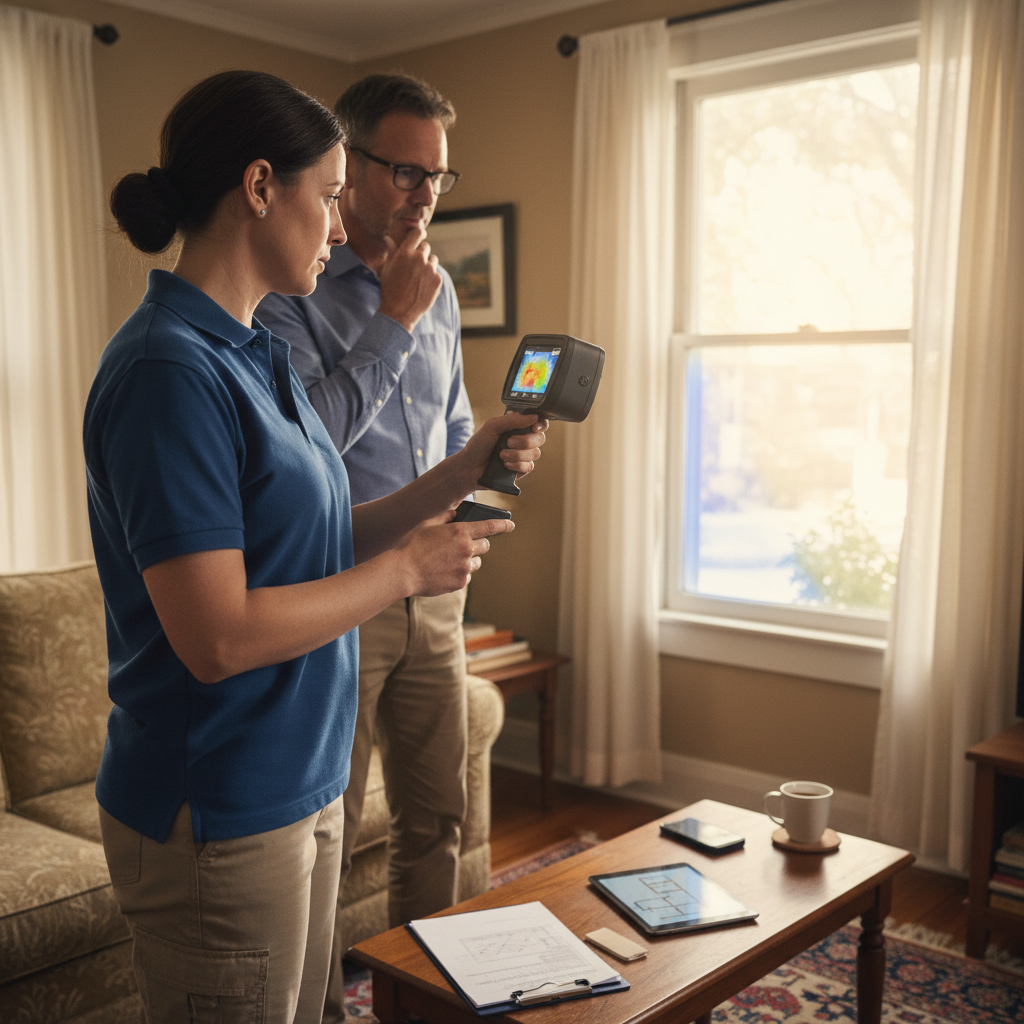
* **Conduct a Home Energy Audit:** A home energy audit can reveal the specific areas where your home is losing energy. This can be a DIY project, or you can hire a professional to conduct a more comprehensive assessment.
* **Address Air Leaks:** Seal drafts around windows, doors, and other openings using caulk, weatherstripping, and other sealing materials.
* **Upgrade Lighting:** Replace incandescent bulbs with LEDs. Consider installing smart lighting systems or motion sensors to automate lighting control.
* **Optimize Heating and Cooling:** Set your thermostat to a comfortable temperature and use a programmable or smart thermostat to automatically adjust temperatures when you’re away or asleep.
* **Maintain Appliances:** Clean refrigerator coils, change HVAC filters regularly, and schedule professional maintenance for your heating and cooling systems.
* **Unplug Electronics:** Unplug electronics when not in use or use smart power strips to cut off power to multiple devices simultaneously.
* **Install a Smart Home Energy Monitor:** These devices can provide real-time data on your energy usage, helping you identify energy-intensive appliances and track the impact of your efficiency efforts. Smart plugs, like those offered by TP-Link, can be a great entry point into energy management.
Modern Lifestyle Relevance and Benefits
In today’s fast-paced world, smart living is about streamlining tasks and optimizing resources. Energy efficiency fits perfectly into this philosophy. The benefits extend beyond immediate cost savings.
* **Convenience:** Smart home technology can automate energy-saving tasks, freeing up your time and energy.
* **Environmental Responsibility:** Reducing your energy footprint aligns with a commitment to sustainability and a desire to protect the planet.
* **Peace of Mind:** Knowing that your home is operating efficiently can provide a sense of control and reduce stress related to energy bills.
* **Increased Home Value:** Energy-efficient homes are increasingly desirable and can command higher resale values.
By making small, consistent changes, you can transform your home into a more energy-efficient and comfortable living space.
Long-Term Peace and Convenience Benefits
Implementing the changes discussed above creates a virtuous cycle.
* **Lower Bills, More Savings:** The money saved on energy bills can be used for other financial goals or to enhance your lifestyle.
* **Reduced Environmental Impact:** Your actions contribute to a more sustainable future.
* **Improved Home Comfort:** A more energy-efficient home is a more comfortable home, creating a better living environment.
* **Increased Home Value:** As energy efficiency becomes more important to homeowners, your home will be more desirable when the time comes to sell it.
The cumulative effect of these changes is a more secure and comfortable living environment. You will be able to manage your energy consumption better and reduce your costs.
FAQ: Frequently Asked Questions About Energy Efficiency
Here are some common questions about energy efficiency:
1. **What is the best way to save energy at home?**
The best approach is to combine several strategies: address air leaks, upgrade to LEDs, optimize heating and cooling, and unplug electronics. These are the simplest changes that can provide immediate results.
2. **How much can I save by switching to LED bulbs?**
You can save 75% or more on lighting costs by switching from incandescent to LED bulbs.
3. **What is a smart thermostat, and how does it help?**
A smart thermostat is a programmable thermostat that learns your habits and automatically adjusts temperatures to optimize energy use. Studies show that smart thermostats can save you 10–12% on heating and 15% on cooling costs annually.
4. **Do home energy monitors really work?**
Yes, home energy monitors can provide valuable insights into your energy consumption, helping you identify energy-intensive appliances and track the impact of your efficiency efforts.
5. **What are phantom loads, and how can I reduce them?**
Phantom loads are the energy consumed by devices even when turned off. Reduce these by unplugging devices or using smart power strips.
6. **How often should I change my HVAC filter?**
Change your HVAC filter every 1-3 months, or as recommended by the manufacturer.
7. **What is the average electric bill, and what affects it?**
The average electric bill in the U.S. is about $165 per month. The cost depends on your location, the size and age of your home, and your energy usage.
8. **Where can I find help to make my home more energy efficient?**
Many resources are available, including your local utility company, government energy efficiency programs, and online resources from organizations like the U.S. Department of Energy and [Josephs Well](https://josephswel.info/).
By taking small steps and creating simple systems, you can take control of your home’s energy consumption. This leads to a more comfortable, efficient, and cost-effective living environment. You can explore a range of smart appliances in 2026 to help you in navigating the connected home, and improve your living space further [cite: Internal Link 1].