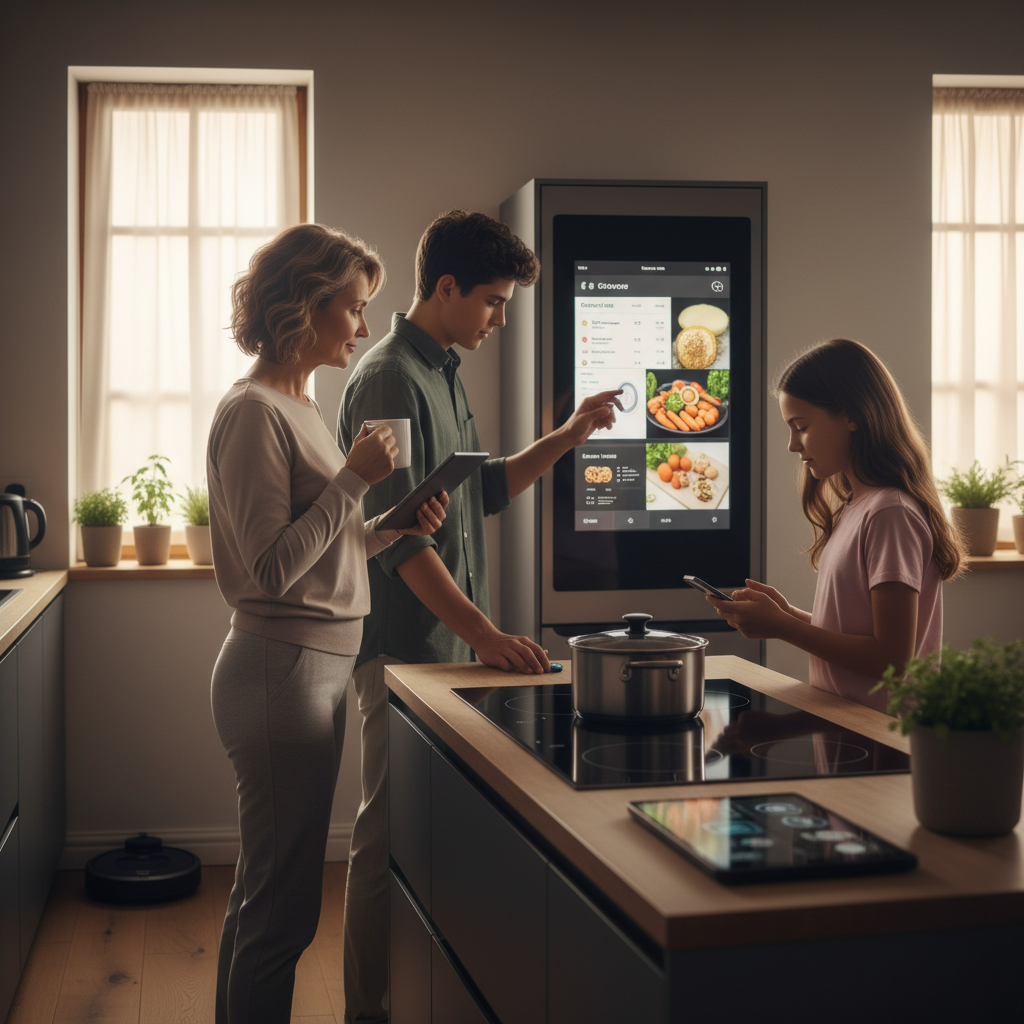
It’s a Tuesday morning. The year is 2026. You wake up, and as you head to the kitchen, the aroma of freshly brewed coffee greets you. No, you didn’t set the timer the night before. Your smart coffee maker, sensing your morning routine, started brewing automatically. As you sip your coffee, you glance at the smart fridge display, which shows you exactly what’s inside and even suggests recipes based on the ingredients you have. The future is here, and it’s in your kitchen. But what does it really mean to live with smart appliances, and how do you make the most of them in 2026?
Why Smart Appliances? The Promise and the Reality
The evolution of home appliances has been nothing short of remarkable. From basic machines that simply performed a function, to today’s connected devices, the goal has always been to make life easier and more efficient. So, what’s the big deal with smart appliances? They promise a lot:
* **Convenience:** Remote control, pre-programmed settings, and automated tasks.
* **Efficiency:** Energy and water savings through optimized usage.
* **Insights:** Data-driven information on appliance performance and food inventory.
* **Integration:** Seamless connectivity with other smart home devices.
But the reality is often more complex. While the benefits are tangible, many users encounter challenges. **Connectivity failures** are common. Wi-Fi drops can render smart features useless, which is frustrating when you are expecting your oven to preheat while you are on your way home. **Sensor malfunctions** can lead to appliances misreading temperatures or load sizes, which affects their performance.
A key example is the “intelligent refrigerator”. These fridges use internal cameras and AI to scan contents, track expiration dates, and suggest recipes. However, users may find that the internal cameras can be obstructed, making these functions less useful over time.
## Common Pitfalls and Misconceptions
One of the biggest misconceptions about smart appliances is that they are “set it and forget it” products. Smart home systems are software-driven, and they require ongoing care. Here’s a look at common issues and how to avoid them:
* **Over-reliance on automation:** Automating everything can lead to inefficiencies. For instance, relying solely on a smart oven’s pre-set programs without understanding the actual cooking process can result in undercooked or overcooked food.
* **Ignoring the manual:** As simple as it sounds, reading the manual is crucial. It contains essential information on proper use and maintenance.
* **Lack of maintenance:** Smart appliances need regular software updates, cleaning, and occasional checks. Neglecting this leads to performance issues and a shorter lifespan.
## Smart Usage and Maintenance Habits
To truly benefit from smart appliances, you need to adopt smart habits. Here’s what you should do:
* **Read the Manual:** User manuals offer specific advice tailored to the model. They also provide crucial safety instructions.
* **Understand Your Appliances:** Learn the specific functions and features of each appliance. Don’t just use the default settings.
* **Regular Software Updates:** Keep your appliances updated to address bugs and security vulnerabilities. This is as important as updating the software on your phone.
* **Routine Cleaning:** Clean your appliances regularly to maintain performance and hygiene. For example, descale kettles and coffee makers to remove mineral buildup.
* **Proper Loading:** Avoid overloading your appliances. Overfilling a washing machine can strain the motor and lead to uneven cleaning.
## The 2026 Landscape: What to Expect
The smart home landscape is constantly evolving, with new innovations and trends emerging. Here’s what’s hot in 2026:
* **AI Integration:** AI is making smart home systems more intuitive and responsive. Appliances will suggest recipes, optimize cycles, and make smarter decisions automatically.
* **Energy Efficiency:** Sustainability is a major trend. Energy-efficient appliances use advanced insulation, intelligent motors, and optimized settings to reduce waste.
* **Multi-Functionality and Modular Design:** Kitchens are becoming more compact, with appliances designed to do more with less. Ovens may combine microwave, air fryer, and warming drawer functions.
* **Voice Control:** Voice assistants like Alexa and Google Assistant are increasingly integrated into appliances, making them easier to control.
## Future-Proofing Your Smart Kitchen
To stay ahead of the curve, consider these future-proof strategies:
* **Prioritize Interoperability:** Look for appliances that support Matter, a new standard aimed at seamless connectivity across brands. This will reduce compatibility issues.
* **Choose Energy Efficiency:** Invest in ENERGY STAR-certified appliances. They save money and reduce environmental impact.
* **Focus on Long-Term Value:** Consider the lifespan of the appliance and the potential for software updates and repairs.
* **Stay Informed:** Keep up with the latest trends and advancements in smart home technology.
The trend is toward technology that disappears, with clean design where appliances blend seamlessly into the architecture.
## FAQs: Your Smart Kitchen Questions Answered
Here are some common questions about smart appliances:
1. **Are smart appliances worth the investment?**
It depends. They offer convenience, energy savings, and advanced features. However, consider the initial cost, potential repair costs, and your willingness to learn the new technology. Also, consider that smart features can age faster than the appliance itself.
2. **How do I troubleshoot connectivity issues?**
Make sure your Wi-Fi is strong and stable. Restart your router, and ensure your appliances are updated with the latest firmware. Check for interference from other devices. Ensure your apps are updated to the latest version, and keep your phone and device close to the hub when pairing.
3. **What are the biggest maintenance challenges?**
Software updates, cleaning, and occasionally checking for sensor malfunctions. Also, be aware of the potential for more complex repairs compared to traditional appliances.
4. **How can I save energy with smart appliances?**
Use energy-saving modes, schedule appliances to run during off-peak hours, and monitor energy usage through the app. Smart thermostats are also helpful.
5. **What if my appliance stops receiving software updates?**
This is a common issue. You may need to rely on the basic functions of the appliance. Consider this when choosing a smart appliance, and prioritize models from reliable brands with a history of long-term support.
6. **Are there privacy concerns with smart appliances?**
Yes. Connected devices collect data. Review the manufacturer’s privacy policy, and consider disabling features you don’t need. Keep your devices updated to patch security vulnerabilities.
7. **What are the best smart appliances for a small kitchen?**
Look for multi-functional appliances that combine several functions into one. For example, an oven that also serves as a microwave and air fryer.
8. **Will smart appliances increase my home’s value?**
Yes. Smart appliances are attractive to potential buyers, particularly those seeking modern, efficient, and secure living spaces.
Living with smart appliances in 2026 is about more than just having the latest gadgets. It’s about understanding how they work, using them effectively, and maintaining them properly. It’s about blending technology seamlessly into your life to make it more convenient, efficient, and enjoyable. By embracing smart habits and staying informed, you can create a truly connected kitchen that enhances your lifestyle for years to come.
As the tech evolves, you will find that a smart home is not a “set it and forget it” product. Instead, think of it as a living system. If you want to learn more about how smart devices can improve your home’s value, check out the information at [Josephs Well](https://josephswel.info). You may also want to read “The Always-On Habit: How Constant Phone Checking Rewired Our Days”, to help you manage your tech usage and make sure that you are enjoying your smart home rather than letting it run your life.