The air fryer. It burst onto the scene a few years ago, promising crispy, delicious food with a fraction of the oil and guilt of deep frying. It seemed like a dream come true for anyone craving those satisfying textures without the calorie overload. And the hype hasn’t died down. In 2026, air fryers still hold a prominent place on kitchen counters, touted as the go-to appliance for quick, healthy meals. But is this reputation entirely deserved? Let’s dive into the air fryer myth and separate fact from fiction.
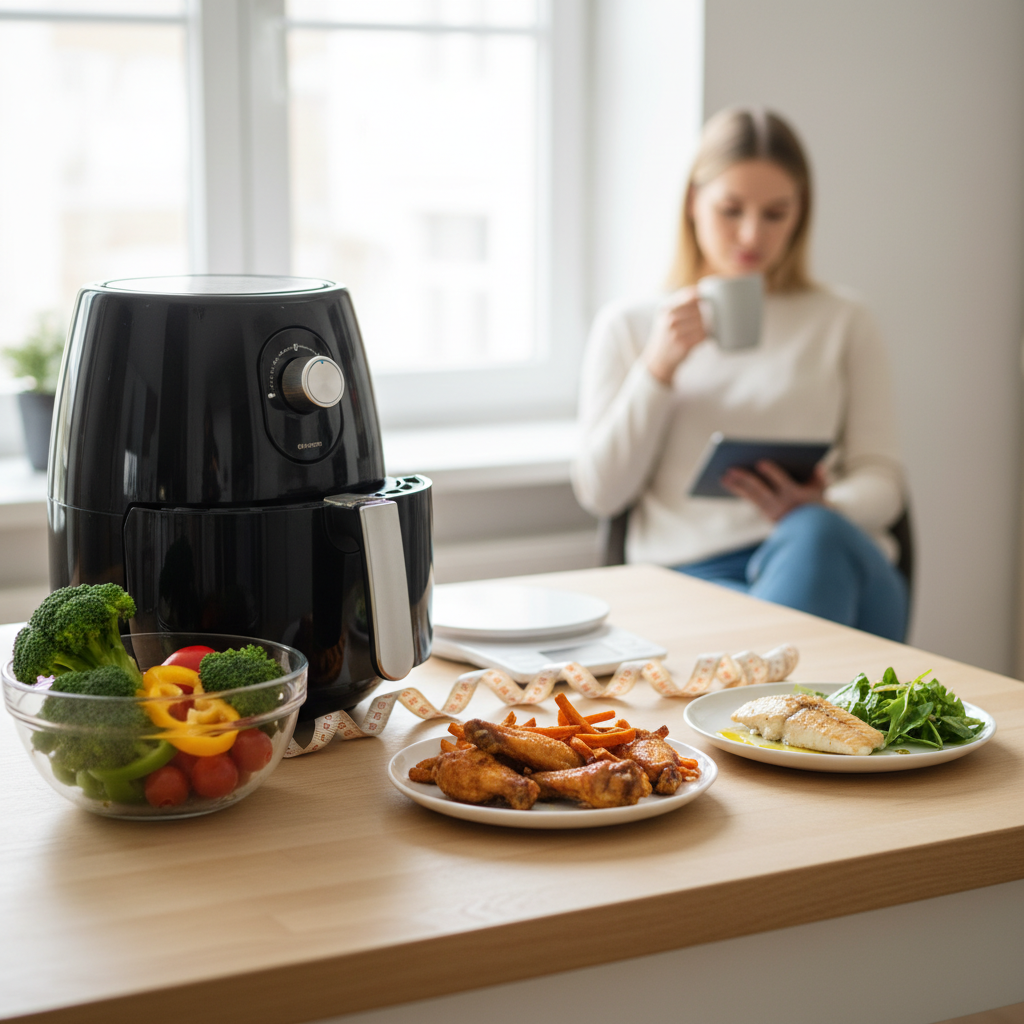
The Allure of the Air Fryer: Why We Believed
The air fryer’s appeal is easy to understand. We’re all looking for ways to eat better without sacrificing taste or convenience. The idea of “frying” food with little to no oil perfectly aligns with that desire. It promised a solution to the age-old dilemma of craving those golden-brown, crispy treats while simultaneously trying to cut down on fat and calories. The marketing was clever, emphasizing the “healthy” aspect and the ease of use. This resonated with busy individuals and families, creating a strong belief in the air fryer’s health benefits.
It’s also worth noting the perception that the air fryer is a “modern” appliance. It feels like a step up from a regular oven or microwave. It appears tech-forward, convenient, and a sign of keeping up with trends. Plus, it can cook food in a fraction of the time compared to a conventional oven, making it an attractive option for those with limited time.
The Reality Check: What Actually Happens
Here’s where we get down to brass tacks. The air fryer *does* use less oil than deep frying. That’s a fact. But the “healthy” narrative is more nuanced.
The air fryer works by circulating hot air around the food, creating a crispy exterior. It’s essentially a small, highly efficient convection oven. Because of this, it is possible to achieve a similar texture to deep-fried food with a reduced amount of oil. Some sources say that air fryers can reduce fat content by up to 75% compared to deep frying.
However, the health benefits largely depend on what you’re cooking. If you’re air frying chicken tenders or frozen french fries, you’re still eating processed food. The air fryer might make them slightly healthier than deep frying, but it won’t transform them into a health food. As chef and nutritionist Serena Pune says, air frying processed meat is still processed meat.
Common Misunderstandings: The Devil is in the Details
Several misunderstandings contribute to the air fryer myth:
* **”No Oil Required”:** This is a common misconception. While you use *much* less oil, most foods benefit from a little bit of oil for even browning and crispiness.
* **”Always Healthier”:** As mentioned, the healthiness depends on your ingredients. Air frying a chicken breast is healthier than deep frying it. Air frying pre-made chicken nuggets? Less so.
* **”Set It and Forget It”:** While convenient, air fryers can cook food quickly, which means food can overcook. It’s wise to check on your food regularly.
* **”Air Fryers Fry”:** Despite the name, air fryers don’t actually “fry” food in the same way as deep fryers. They use hot air to bake food.
What Matters Instead: Focusing on the Big Picture
So, if the air fryer isn’t a magic bullet, what matters instead?
* **Ingredients First:** Start with fresh, whole foods. Air fry vegetables, lean proteins, and whole grains.
* **Mindful Oil Use:** Use a small amount of a healthy oil, like avocado or olive oil.
* **Portion Control:** Even “healthy” air-fried food should be eaten in moderation.
* **Variety is Key:** Don’t rely solely on the air fryer. Incorporate other cooking methods like grilling, baking, and roasting.
* **Read the Manual:** All air fryers are different, so follow the manufacturer’s directions for cooking and cleaning.
Air Fryers in 2026: The Trend Continues, But With a Twist
The air fryer isn’t going anywhere. In 2026, you’ll still find them in many kitchens. They’re convenient, energy-efficient (using about half the energy of a traditional oven), and capable of producing delicious results. But there are some shifts happening. Smart technology is integrating into these appliances with Wi-Fi and Bluetooth capabilities. Consumers are also seeking multi-functional air fryers that offer roasting, grilling, and dehydrating options.
However, there are new contenders in the kitchen appliance arena. Carbon-steel pans are becoming increasingly popular for their superior temperature control and versatility, offering an alternative way to achieve crispy results. Some might say that the air fryer’s reign is coming to a close.
Clear Takeaway: The Air Fryer is a Tool, Not a Transformation
The air fryer is a useful tool for preparing food with less oil, which *can* contribute to healthier eating. It’s not a magical fix. The key is to use it mindfully, focusing on the quality of your ingredients and balancing your diet with a variety of whole foods. The air fryer is a valuable addition to a modern kitchen, but it’s not a free pass to eat unlimited fried foods.
FAQ: Your Burning Air Fryer Questions Answered
Is air frying truly healthier than deep frying?
Yes, in most cases, air frying is healthier because it uses significantly less oil. This results in lower fat and calorie content. However, the overall healthiness also depends on the ingredients used.
Do I need to use oil in an air fryer?
You don’t *need* to use oil, but a light spray or drizzle of oil can help with browning and crispiness, especially for foods that don’t have natural fats.
Can I cook anything in an air fryer?
You can cook a wide variety of foods in an air fryer, including vegetables, meats, and baked goods. However, very wet dishes or foods with a lot of liquid aren’t ideal.
Is it safe to use air fryer liners?
Always check the manufacturer’s instructions for the liners and air fryer. Make sure the liners are designed for the air fryer and made of food-safe materials.
Are air fryers worth the investment?
Air fryers are a worthwhile investment for many. They offer convenience, faster cooking times, and can help you prepare healthier versions of your favorite foods. Consider Smart TVs in 2026: What You Need to Know Before You Buy when choosing your appliances.
Do air fryers use a lot of energy?
Air fryers are generally energy-efficient, using less electricity than a traditional oven. This can lead to cost savings over time.
Are there any downsides to using an air fryer?
Some downsides include limited capacity, the potential for food to dry out if overcooked, and the need for regular cleaning. Also, air fryers aren’t a replacement for all cooking methods.
Is there an air fryer model you recommend?
There are many great air fryers on the market. Do your research and select the one that fits your budget and needs. For more great ideas and information, check out Josephs Well.