It’s a typical Saturday morning. The aroma of freshly brewed coffee fills the kitchen, thanks to the smart coffee maker that started the process automatically. Sunlight streams in through the windows, but the smart thermostat has already adjusted the blinds, preventing the house from overheating. Later, as the laundry finishes, the smart dryer sends a notification, ready to be unloaded. This isn’t a scene from a futuristic movie; it’s the reality of many homes in 2026. The evolution of HomeTech has brought unprecedented convenience, but it’s also ushered in new opportunities to manage our homes’ energy consumption, save money, and contribute to a more sustainable future.
Why Energy Efficiency Matters Now More Than Ever
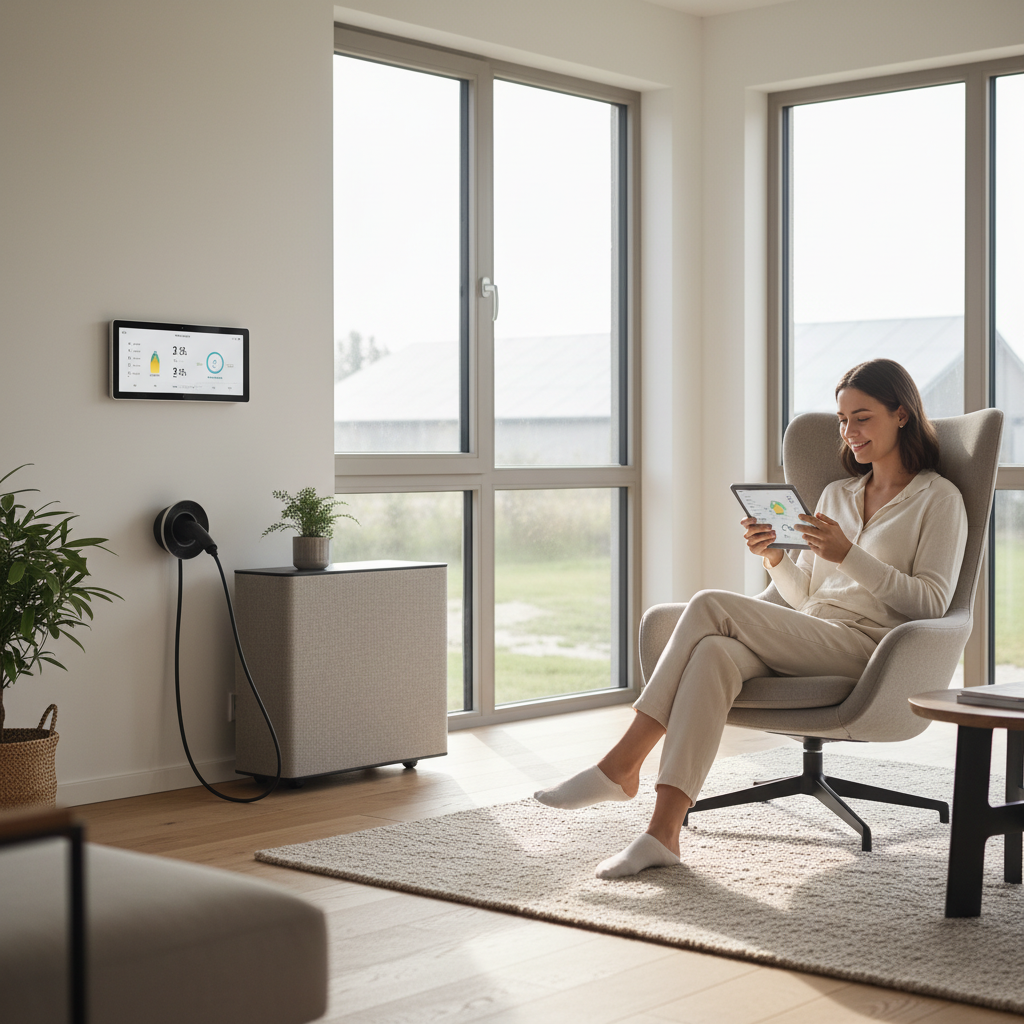
In 2026, energy efficiency is no longer just an eco-friendly buzzword; it’s a practical necessity. Rising energy costs, coupled with growing environmental concerns, make optimizing your home’s energy use a smart financial decision. Fortunately, you don’t need a complete home renovation to make a significant impact. Many effective improvements are practical, affordable, and can be implemented gradually.
Misconceptions and Misuse: Avoiding Common Pitfalls
The promise of smart home technology can sometimes lead to misunderstandings. Here are some common pitfalls to avoid:
* **Over-reliance on automation:** While automation is convenient, don’t set it and forget it. Regularly review your settings to ensure they align with your current needs and lifestyle.
* **Ignoring appliance maintenance:** Smart appliances can offer energy-saving features, but they still require regular maintenance, like cleaning and filter replacement. Neglecting this can negate any energy savings and shorten the appliance’s lifespan.
* **Focusing solely on gadgets:** Smart plugs and lights are great, but they are only part of the solution. Prioritize energy-efficient appliances, proper insulation, and air sealing for maximum impact.
* **Assuming ‘smart’ equals ‘efficient’:** Not all smart devices are created equal. Research energy-efficient models and compare energy consumption ratings (like Energy Star) before purchasing.
* **Ignoring the basics:** Smart tech can’t fix fundamental issues like poor insulation or leaky windows. Address these foundational problems first.
Smart Usage & Maintenance Habits: Maximizing Efficiency
To get the most out of your home’s energy efficiency, embrace these smart habits:
* **Smart Thermostat Optimization:** Smart thermostats learn your habits and adjust the temperature accordingly. Set up schedules that align with your routine. During the day, allow a few degrees change, and lower the temperature while you are asleep. Many companies provide incentives and rewards for using smart thermostats.
* **Appliance Efficiency:**
* **Washing Machines:** Wash clothes in cold water whenever possible. Only run full loads. Use the correct amount of detergent.
* **Dryers:** Clean the lint trap after every load and ensure the exhaust vent is clear. Consider air-drying clothes when possible.
* **Dishwashers:** Scrape dishes instead of rinsing, and only run full loads.
* **Refrigerators:** Maintain the refrigerator’s temperature between 37 and 40 degrees Fahrenheit. The freezer should be at 0 degrees. Ensure the door seals are tight.
* **Lighting:** Switch to LED bulbs, which consume significantly less energy than traditional incandescent bulbs. Use smart lighting for automated control and dimming.
* **Smart Power Strips:** Utilize smart power strips to cut off power to devices in standby mode, preventing phantom energy consumption.
* **Regular Maintenance:** Regularly clean appliances, check for leaks, and follow manufacturer instructions. Regular maintenance is essential for appliances to work properly and extend their lifespan.
2025–2026 Relevance: Key Trends and Technologies
Several trends are shaping the future of home energy efficiency in 2026:
* **AI-Powered Automation:** AI is moving beyond simple automation to proactively anticipate your needs and optimize energy usage.
* **Seamless Interoperability (Matter Protocol):** The Matter protocol is helping eliminate the pain of managing devices from multiple brands. This makes it easier to integrate smart devices and manage them from a single app.
* **Smarter Energy Management:** Smart meters, AI-driven energy optimization, and integration with solar panels and battery storage are becoming more commonplace.
* **Energy-Efficient Smart Appliances:** Smart appliances are becoming increasingly sophisticated, offering features like remote control, optimal energy usage, and automated maintenance alerts.
* **Home Energy Assessments:** Many utility companies offer free or low-cost home energy assessments. An energy specialist will come to your home and identify opportunities to save energy and money.
* **Energy-Efficient Windows and Doors:** Installing high-performance windows and doors can improve insulation, reduce drafts, and maintain comfortable indoor temperatures.
Future-Proof Advice: What Truly Matters
To build a truly energy-efficient and future-proof home, focus on these fundamental principles:
* **Prioritize Insulation and Air Sealing:** Properly insulate your home and seal air leaks to minimize energy waste. This is the foundation for efficient heating and cooling.
* **Choose Energy-Efficient Appliances:** Look for Energy Star-certified appliances and consider their energy consumption ratings.
* **Embrace Smart Technology Wisely:** Use smart technology to automate tasks and optimize energy usage, but don’t rely on it exclusively.
* **Maintain Your Systems:** Regular maintenance is crucial for extending the lifespan of your appliances and ensuring they operate efficiently.
* **Consider Renewable Energy:** Explore the possibility of solar panels and battery storage to reduce reliance on the grid and lower energy costs.
* **Stay Informed:** Keep abreast of the latest technologies and trends in home energy efficiency. The field is constantly evolving.
Frequently Asked Questions (FAQ)
Here are some common questions about home energy efficiency, with practical answers:
Q: How much money can I really save by improving my home’s energy efficiency?
A: Savings vary depending on your home, climate, and the improvements you make. However, many homeowners can reduce their energy bills by 10-20% or more by implementing energy-efficient upgrades and changing their habits. Weatherizing a home, through insulation and air sealing, can lower heating and cooling costs by up to 15%.
Q: What are the best ways to improve energy efficiency on a budget?
A: Start with simple, low-cost changes like switching to LED bulbs, sealing air leaks around windows and doors, and adjusting your thermostat. Many utility companies offer rebates and incentives for energy-efficient upgrades, which can significantly reduce the cost.
Q: How do I know if it’s better to repair or replace an appliance?
A: The “50% rule” is a good guideline: If the repair cost is more than half the price of a new appliance, consider replacing it. The age of the appliance is also a factor. Appliances typically have a lifespan of 10-15 years, so replacing an older appliance with a new, energy-efficient model may be more cost-effective in the long run.
Q: How often should I have my HVAC system serviced?
A: It’s recommended to have your HVAC system professionally serviced at least once a year, preferably before the heating or cooling season. This will help ensure that the system operates efficiently and prolongs its lifespan.
Q: Are smart appliances worth the investment?
A: Smart appliances can offer convenience and energy-saving features, but the value depends on your needs and how you use them. Consider the energy efficiency rating and whether the smart features justify the added cost. Choose reliable brands and check warranty coverage.
Q: What is the Matter protocol, and why is it important?
A: Matter is a universal standard that allows devices from different brands to work together seamlessly. This eliminates the problem of fragmented smart home ecosystems, making it easier to control all your devices from a single app or dashboard.
Q: What are some of the most impactful home energy upgrades?
A: Upgrading your HVAC system, sealing leaks and improving insulation, and replacing older appliances with Energy Star-certified models are some of the most impactful home energy upgrades. Installing energy-efficient windows and doors can also make a significant difference.
As you can see, home energy efficiency is an ongoing journey, not a destination. By making smart choices and staying informed, you can create a comfortable, sustainable, and cost-effective home environment. Consider visiting Josephs Well to further explore ways to streamline your home’s functionality. And for more specific home tips, you may also enjoy reading about streamlining your laundry routine [cite: Internal Link 1].